Tiny but Mighty: The American Kestrel
History
American kestrels (Falco sparverius) have long been part of Michigan’s landscape, nesting in fence posts, tree cavities, and old woodpecker holes across farmlands, grasslands, and open forest edges, according to the USDA. Over the last several decades, kestrels have declined in many parts of their range as reported by the Peregrine Fund, due in part to loss of nest sites and open hunting habitat, making nest-site conservation a priority in Michigan conservation efforts.
Current Status
Regionally, the species remains widespread but shows long-term declines in many monitoring programs. Kestrels are considered a conservation concern because populations have fallen since the 1960s, even though they are not considered threatened or endangered as determined by the IUCN Red List. Michigan researchers and MSU Extension specialists have noted local declines and have partnered with growers and landowners to encourage nest boxes and habitat enhancements to help reverse the trend.
Characteristics
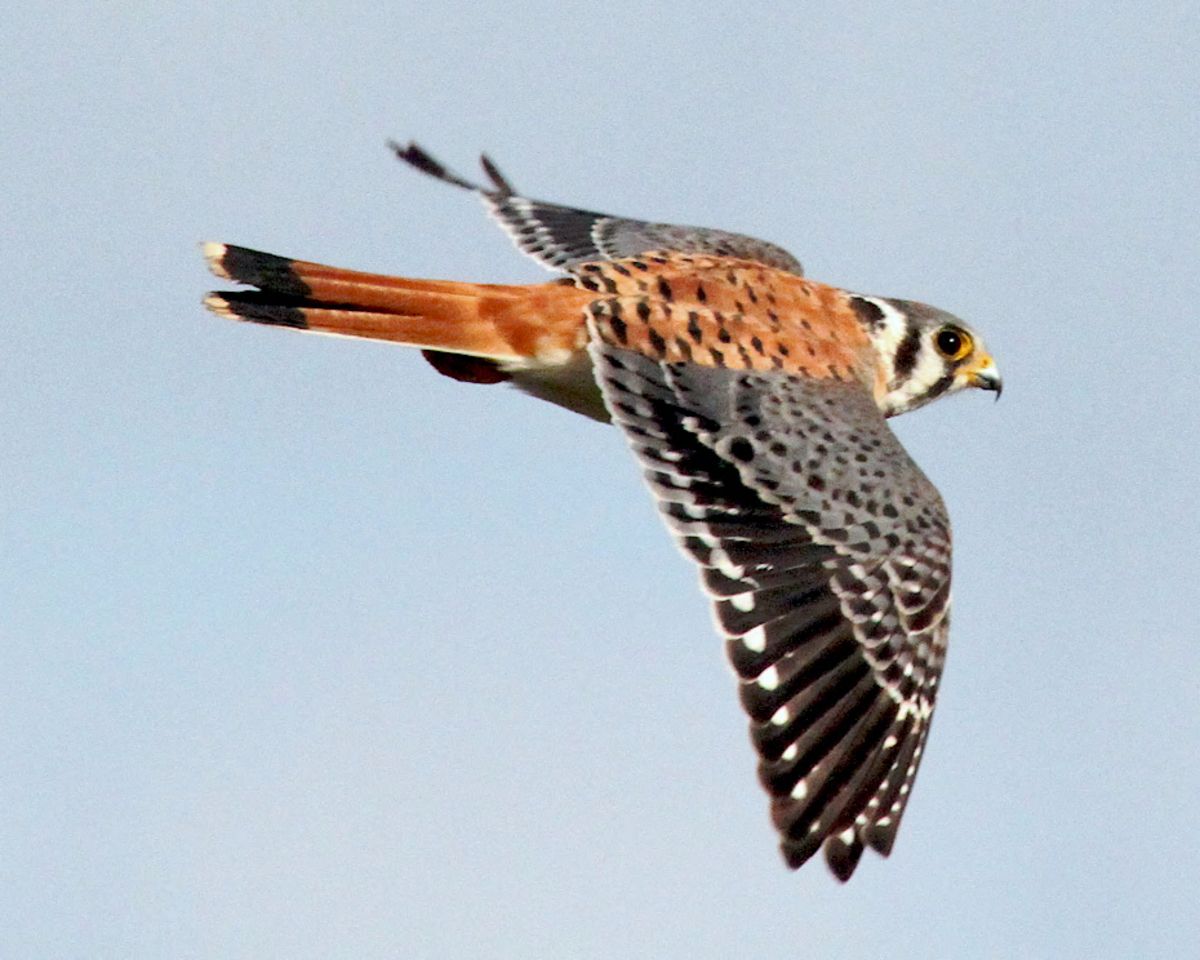
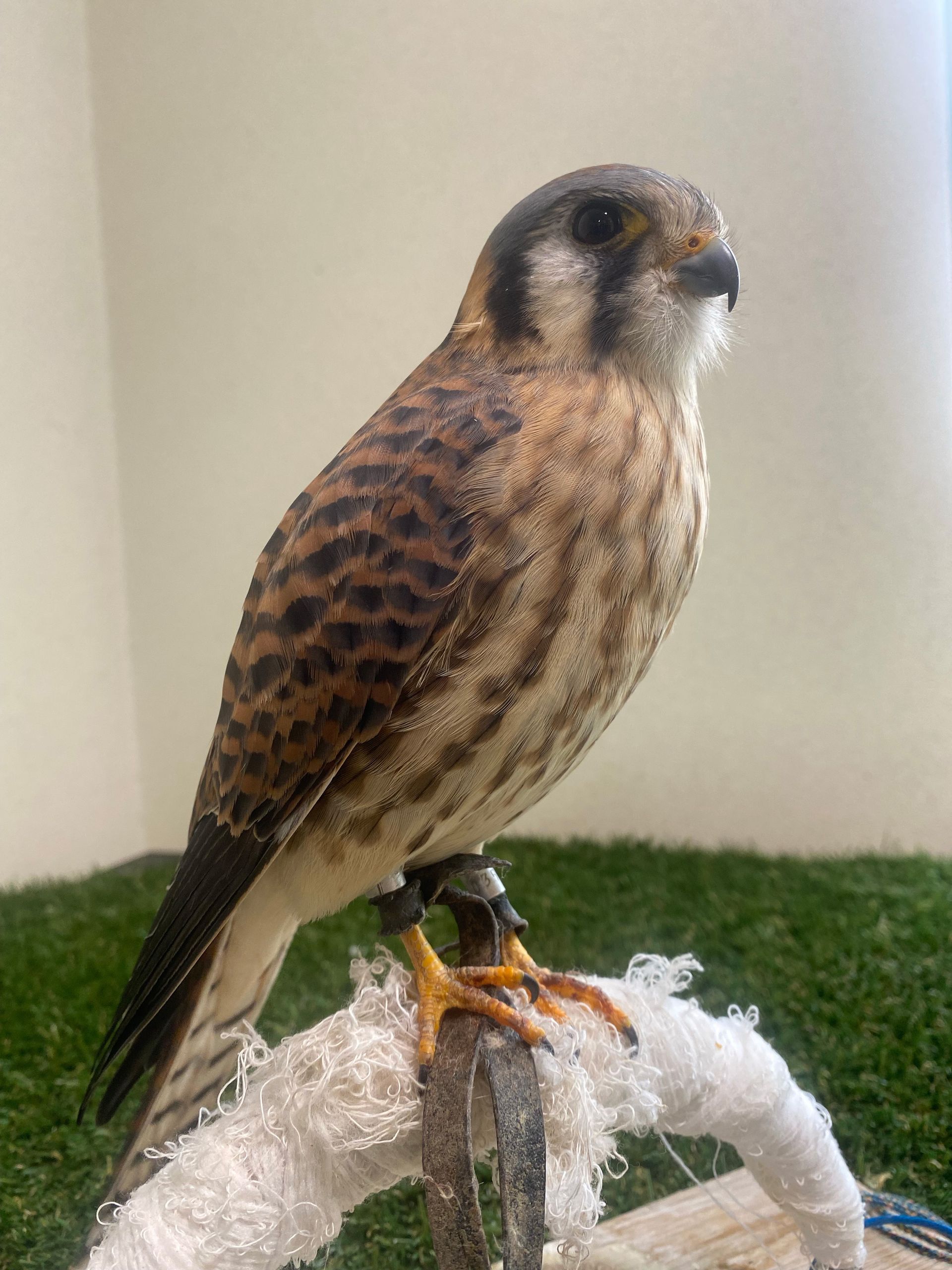
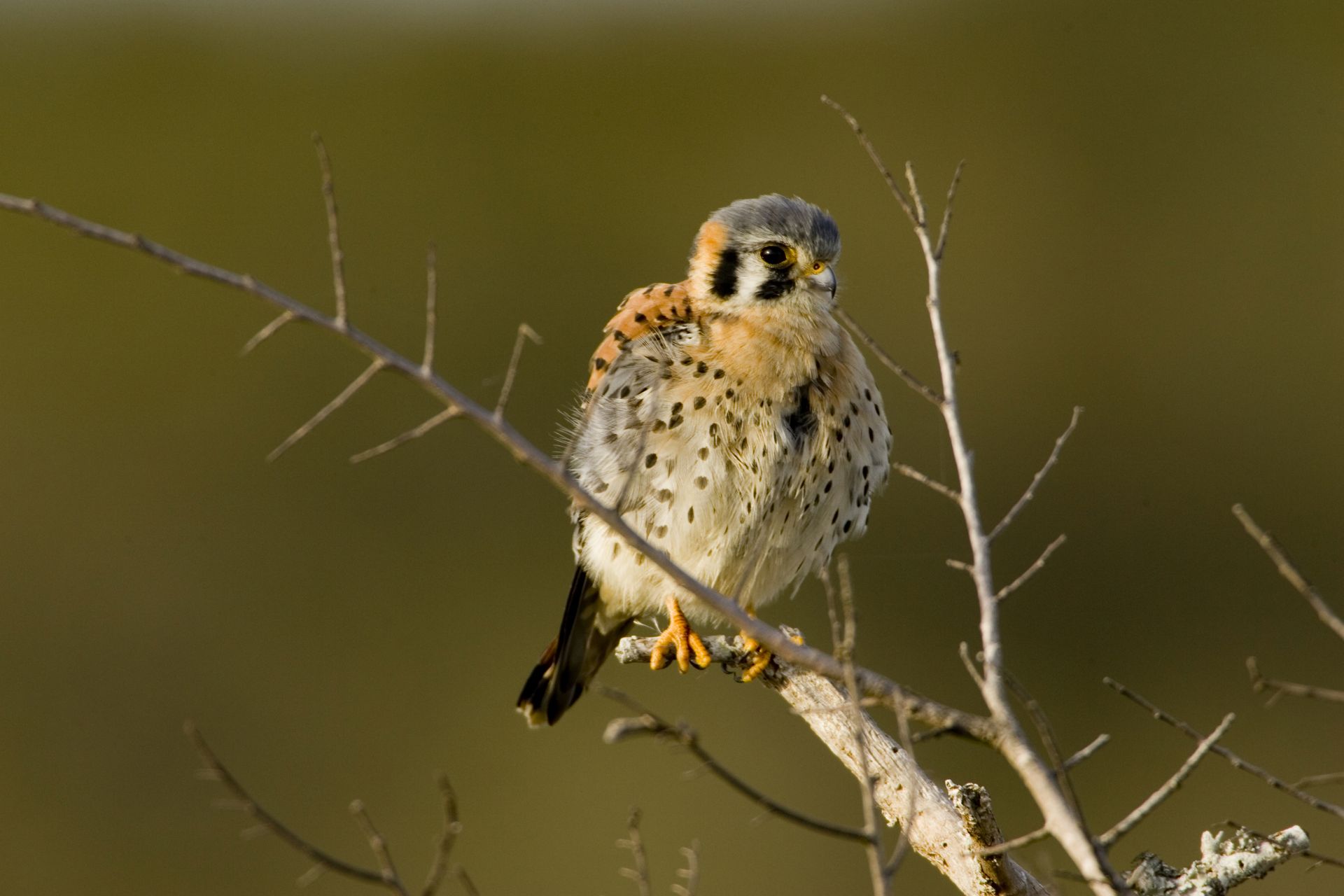
The American kestrel is North America’s smallest falcon and is easily recognizable by its colorful plumage. Both males and females have black bars running vertically on either side of their eyes with blueish-gray plumage on top of their heads and white under their eyes. Females have rusty colored wings with black to gray bars going across, whereas males have blueish-gray wings with black spots and a large black bar across the tip of the tail feathers. Individuals typically have a wingspan between 20 to 22 inches, comparable in size to a crow.
Conservation
Kestrel conservation centers on restoring and protecting nesting habitat and maintaining open foraging areas. Simple, proven actions landowners and hunters can take include installing kestrel nest boxes on posts or in trees at appropriate spacing and heights, and maintaining field edges and grassland patches. Nest-box programs run by citizen scientists provide essential data and can create immediate local benefits. Research from Michigan State University shows that kestrels using nest boxes help reduce orchard bird pests, a win-win for farmers and wildlife alike. The Natural Resources Conservation Service (NRCS) reports that Kestrels hunt from perches or by hovering over open ground, feeding primarily on insects, small mammals, and small birds, making them excellent natural pest controllers in agricultural landscapes. They typically nest in cavities and readily accept properly sited nest boxes, which is why nest-box programs are a cornerstone of kestrel conservation work.
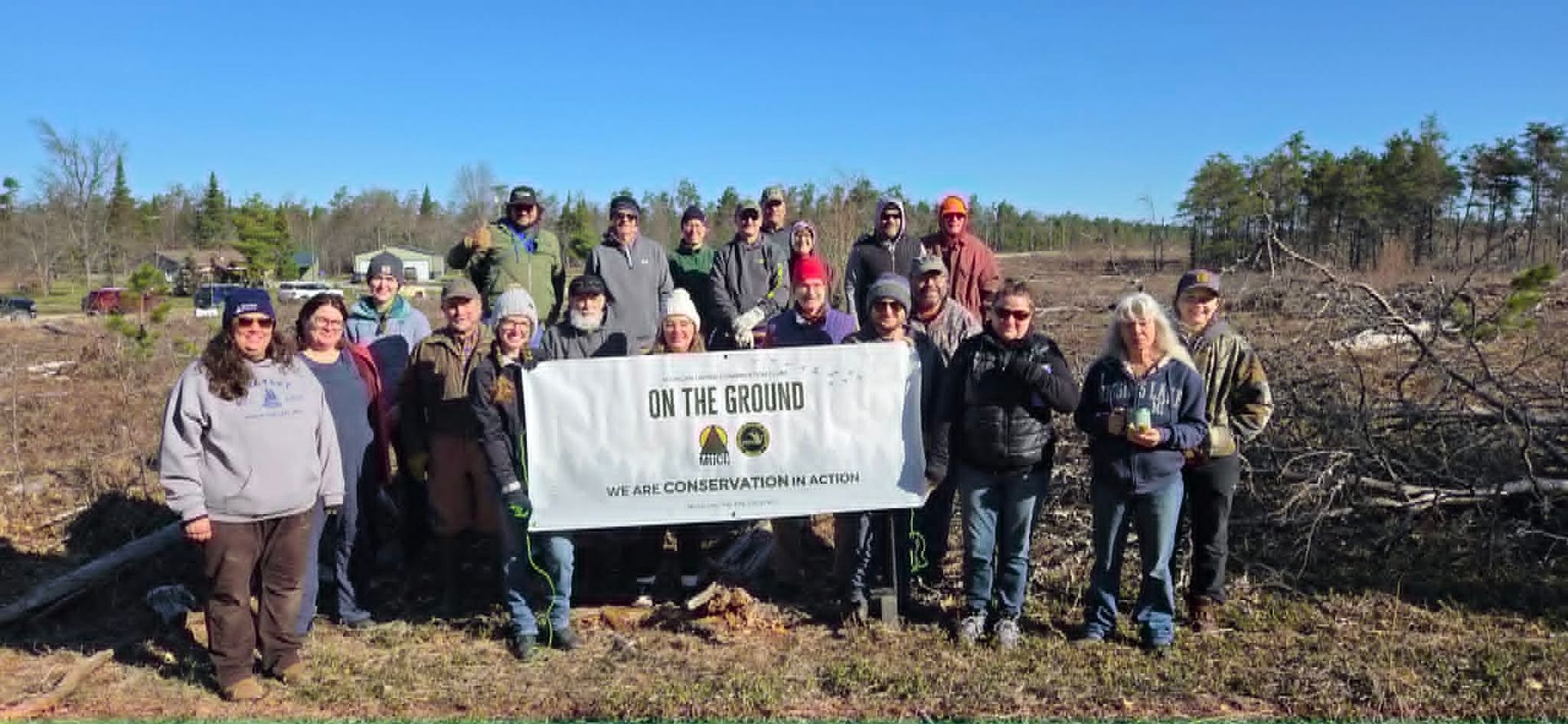
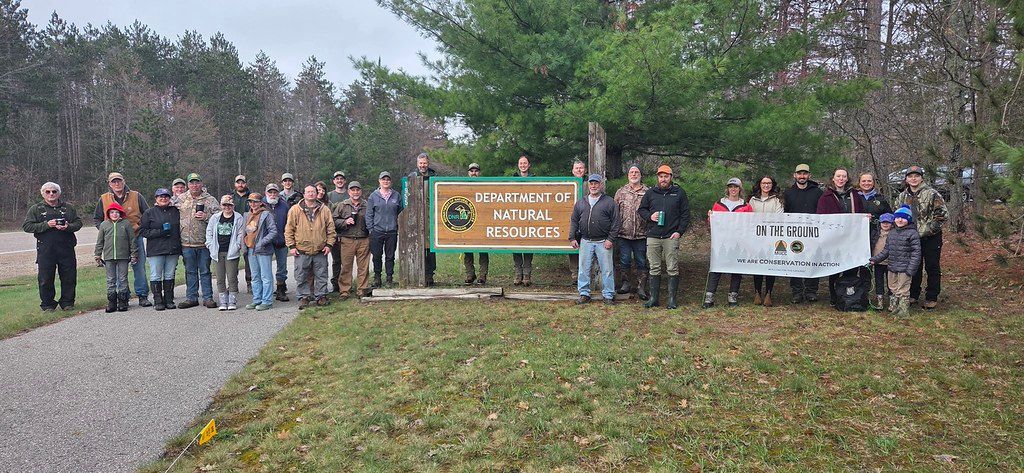
MUCC’s On the Ground (OTG) program regularly partners with the Michigan DNR and local groups to improve wildlife habitat across the state, from installing nest boxes and building brush piles to restoring grassland and edge habitat that kestrels and many other species depend on. Getting involved with OTG is a practical way for hunters and volunteers to help kestrels on public land.
Learn More
If you want more information or to take action, check out the Peregrine Fund resources on nest-box design, monitoring, and citizen-science programs. Michigan State University has applied research on kestrels and agricultural benefits that are useful for landowners and growers. For hands-on involvement, volunteer with MUCC’s On the Ground program to contribute to the habitat enhancement of several wildlife species. Finally, follow national and regional monitoring programs or contribute kestrel box data to citizen science platforms to help track population recovery.
Recent Posts