Seasonal Star: Balsam Fir
History
Balsam fir (Abies balsamea) is a native evergreen tree found throughout Michigan’s forests, especially in the northern Lower Peninsula and Upper Peninsula. Known for its dark green needles, symmetrical pyramidal shape, and spicy scent, this species has long been part of the state’s native landscape as referenced by the Department of Natural Resources (DNR). It thrives in the cool, moist climate of northern Michigan woodlands and mixed forests where firs intermix with spruces and aspens.
For generations, balsam fir has also held a special cultural place during the winter holiday season. Its classic shape, fragrant foliage, and lasting needle retention have made it a popular choice for Christmas trees, wreaths, and other seasonal decorations in Michigan homes, a tradition that connects many families to the forest every year.
Current Status
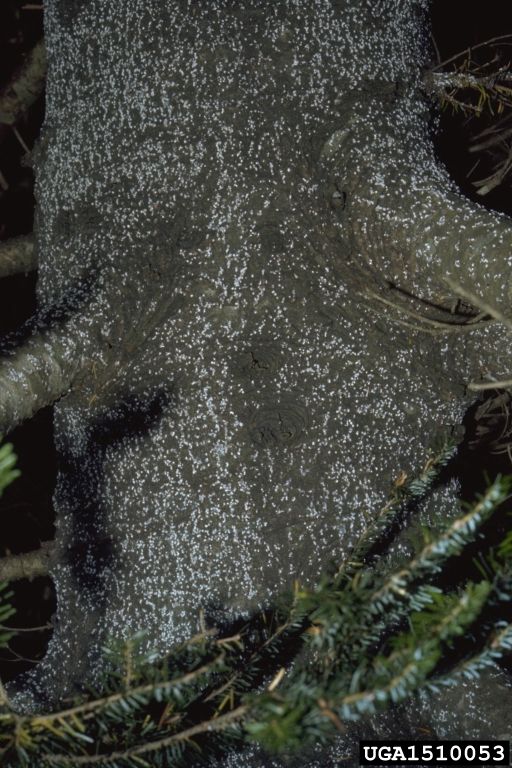
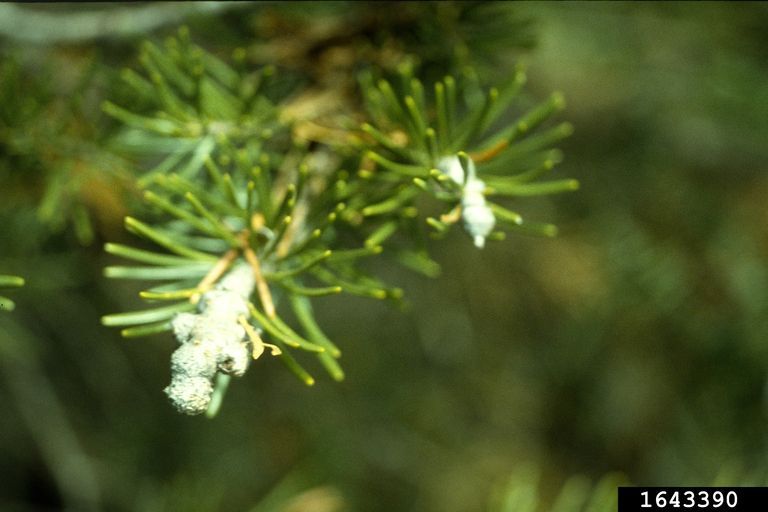
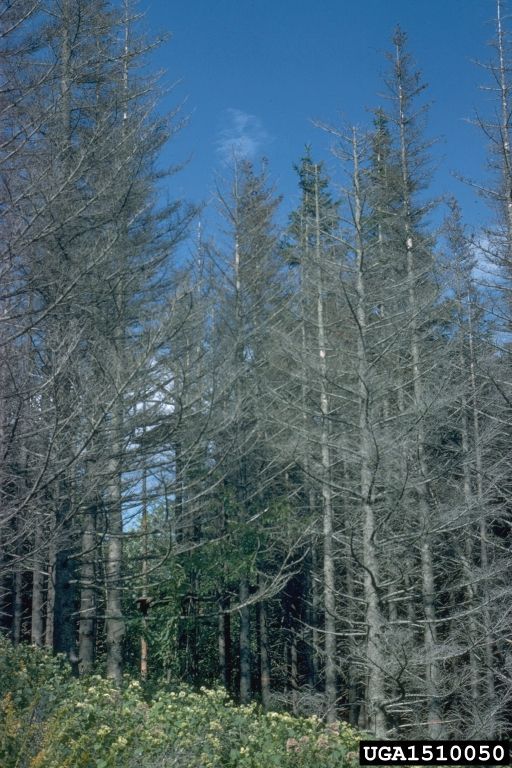
Balsam fir remains widespread across Michigan’s native range, contributing significantly to the state’s forests and wildlife habitat. It coexists with other conifers and broadleaf trees in cool, moist uplands and swamps. However, like many native tree species, balsam fir faces threats from invasive pests, according to the Michigan Invasive Species Program (MISP). The balsam woolly adelgid, a non-native sap-feeding insect, has been detected in Michigan in recent years and can weaken or kill fir trees by distorting twigs and crowns. Infestations have been confirmed in parts of the northern Lower Peninsula, including Missaukee and Oceana counties, and ongoing surveys aim to detect and manage spread.
Michigan’s forest health monitoring efforts include tracking and responding to balsam woolly adelgid detections, maintaining quarantine measures to limit pest introductions, and increasing outreach to landowners and Christmas-tree growers. This work is critical because balsam fir underpins both ecological systems and a significant portion of Michigan’s Christmas tree industry.
Characteristics
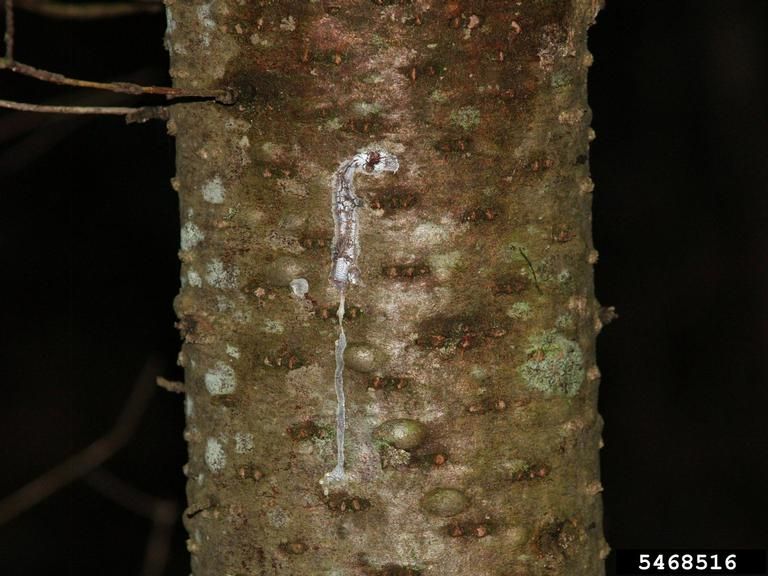
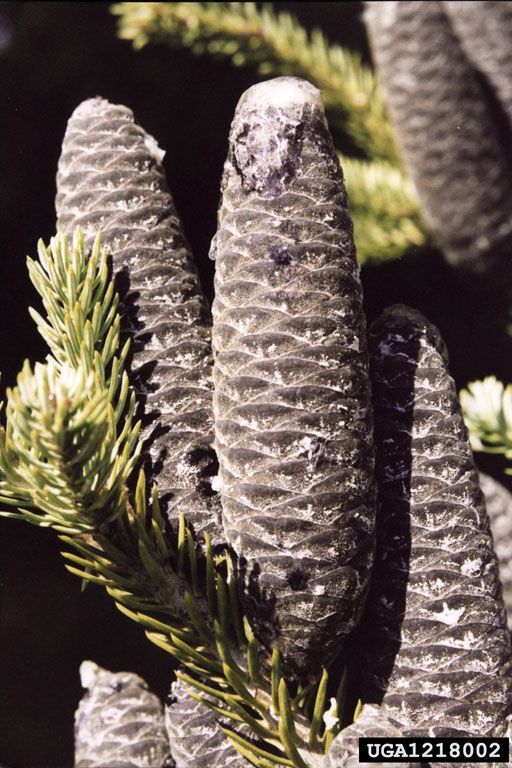
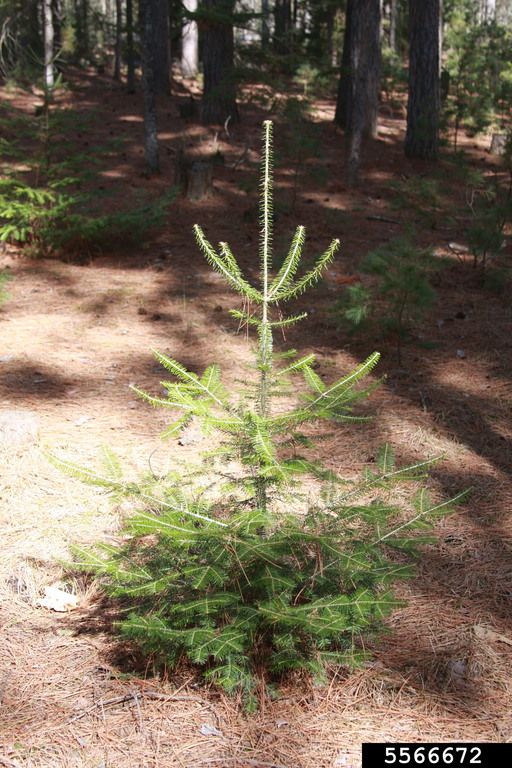
The DNR describes balsam fir as a medium-sized conifer that typically reaches 40–80 feet in height with a slender, pyramidal crown. Its flat, dark green needles are arranged spirally and are about 1 inch long. Balsam fir bark is smooth and gray with oozing sticky balsam substance. Young cones are upright, cylindrical, and purplish, turning brown as they mature. In nature, balsam fir prefers cool, moist environments and is shade-tolerant, often thriving in the cooler parts of the Upper Peninsula and far northern Lower Peninsula. Its dense foliage provides shelter for wildlife, and its seeds and buds are used as food by birds and mammals, especially in winter.
Conservation
While balsam fir remains common in Michigan, conserving healthy populations requires vigilance and proactive management. The balsam woolly adelgid is one of the most significant threats: this sap-feeding insect can deform twigs, thin foliage, and ultimately contribute to tree decline if infestations are severe. Hunters, landowners, and forest managers are encouraged to learn how to recognize adelgid presence and report sightings to state forestry and invasive species programs promptly.
Because Michigan is a top Christmas tree producer, ranking third in the nation, conservation of balsam fir also supports the economy and cultural traditions tied to holiday tree farming. Efforts to prevent pest introductions, maintain quarantines on potentially infested nursery stock, and educate growers are all part of keeping balsam fir healthy both in forests and plantations. By protecting balsam fir habitat, avoiding unnecessary movement of firewood or nursery stock, and supporting forest health monitoring, Michigan residents help preserve this iconic tree for future generations.
Learn More
To learn more about balsam fir trees and their role in Michigan’s forests, visit the Michigan Department of Natural Resources species profile on balsam fir and the DNR’s Forest Health Highlights reports for updates on tree health concerns such as invasive pests. Michigan State University Extension also offers helpful resources on identifying Michigan trees and understanding forest management practices. If you’re interested in making a hands-on impact, consider volunteering at one of MUCC’s On the Ground events, where volunteers help improve habitat on public lands, work that supports balsam fir ecosystems and many other native species across Michigan.
Recent Posts