Fur, Marsh, and Management: The Common Muskrat

Olivia Triltsch • February 5, 2026

History

Muskrats (Ondatra zibethicus) have been a feature of Michigan’s wetlands for centuries, thriving in marshes, ponds, slow streams, and lake edges. These semi-aquatic rodents were historically important in the North American fur trade because their dense, water-repellent pelts were valuable for hats and other garments. Over time, unregulated harvest and habitat changes prompted the development of wildlife management systems that now include regulated trapping seasons and licensing to ensure sustainable use. Today, muskrat trapping is a lawful outdoor tradition and a wildlife management tool used by the Department of Natural Resources (DNR) on Michigan’s public and private lands. 

Conservation and Management

While muskrats contribute positively to wetland ecology, opening water and providing habitat for waterfowl, fish, and amphibians, their burrowing and feeding habits can also cause damage to infrastructure. Muskrats sometimes undermine dams, flood control structures, and pond banks by burrowing into embankments, which can impact dam safety and increase erosion risk. Effective management includes using regulated trapping during open seasons to reduce local populations where necessary and installing physical barriers like riprap or mesh fencing to protect sensitive structures. Landowners should consult the Michigan DNR’s guidance on nuisance wildlife and rodent control, especially around dams and shorelines, to address damage while maintaining wildlife value. 


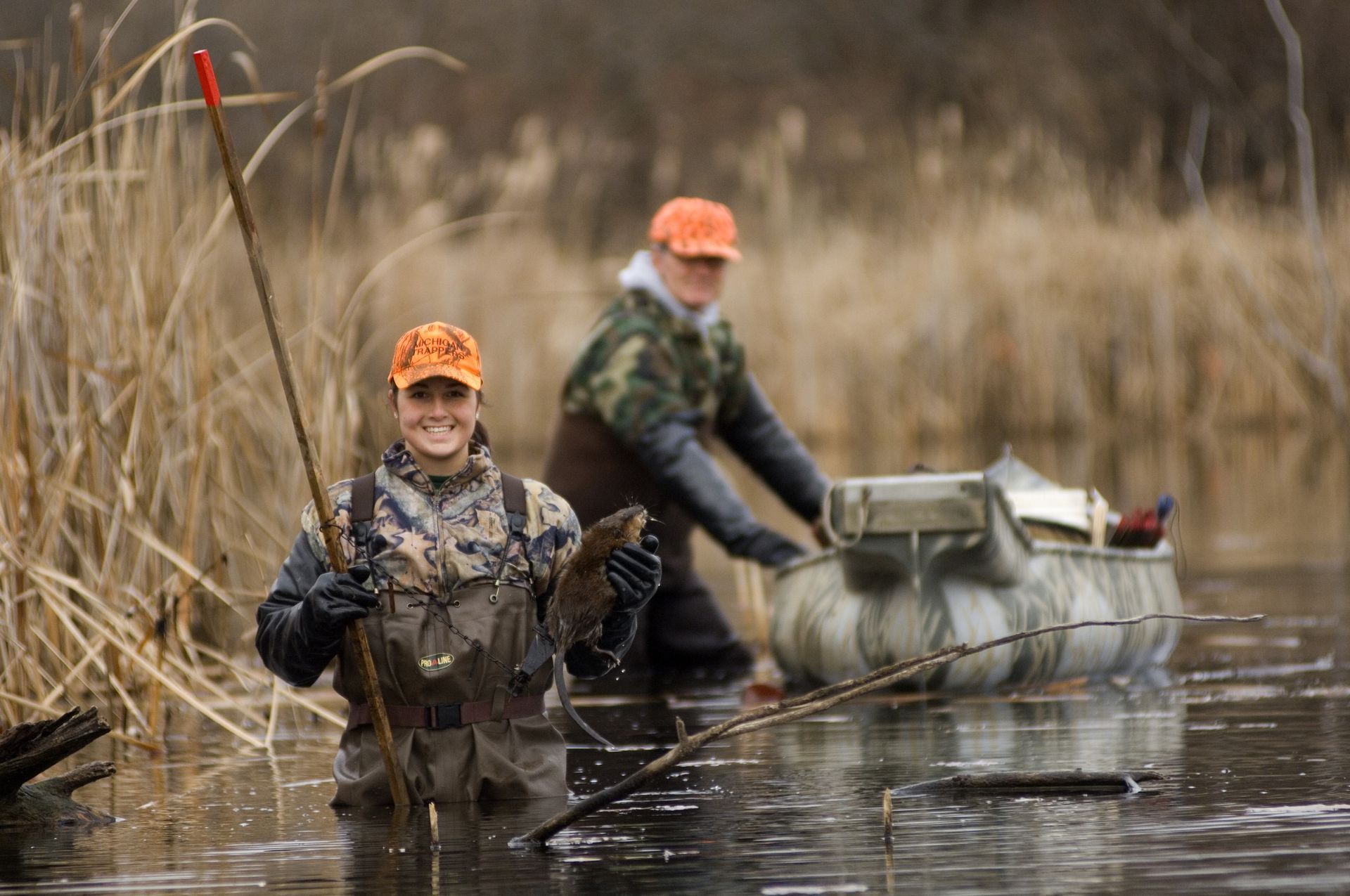
Image: a pair of trappers checking their muskrat traps.
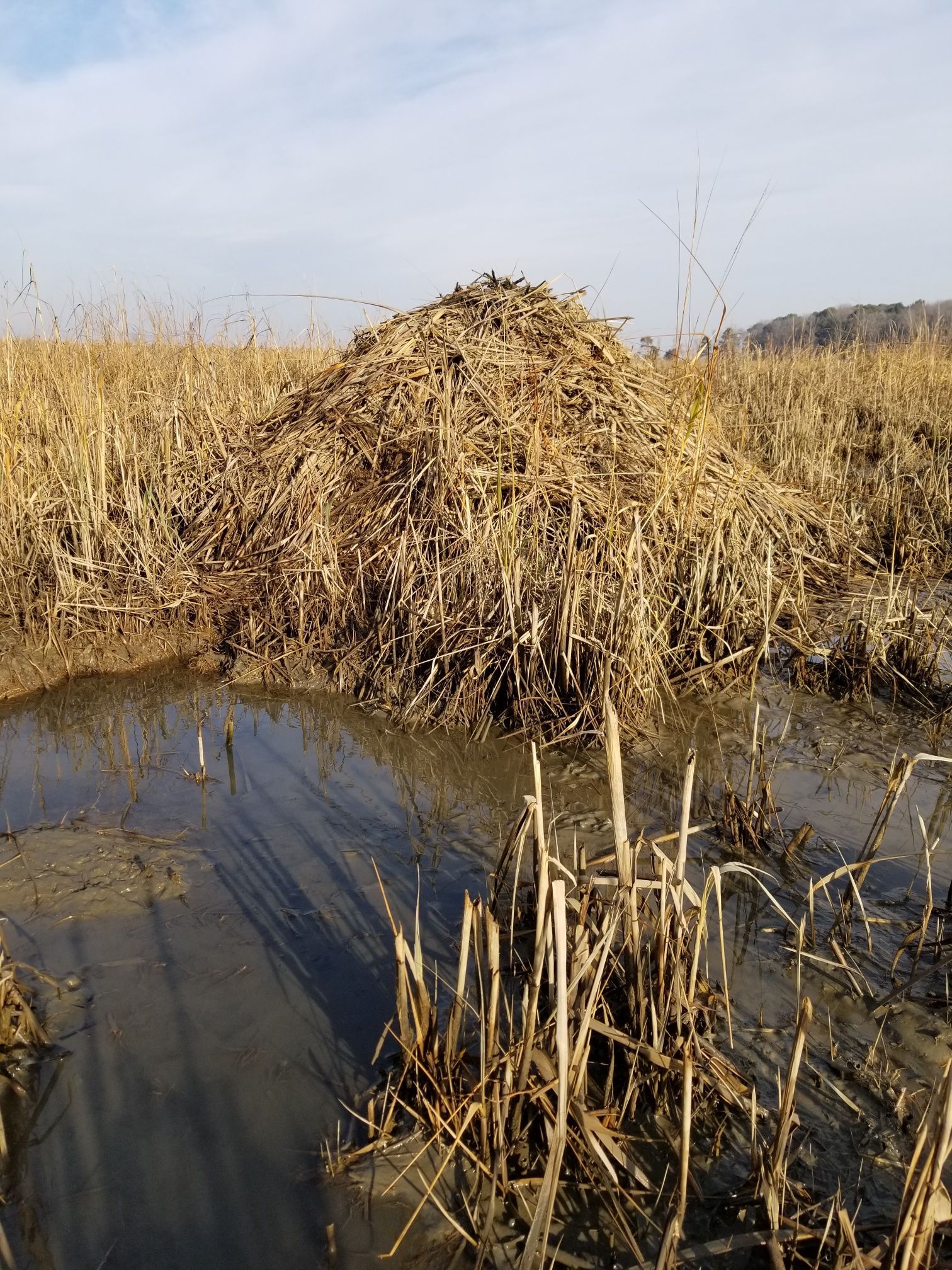
Trapping is one of the most practical methods for managing muskrat-related damage. The regulated season allows licensed fur harvesters to remove muskrats ethically and legally on public and private lands during the open season. Outside the season, landowners dealing with damage can sometimes remove problem animals under specific nuisance control rules or contact licensed wildlife control professionals. 

Conservation Status

In Michigan, muskrats are considered common, with populations present wherever suitable wetland habitat exists. They have multiple litters per year, and their numbers naturally fluctuate based on food availability, water levels, predators, and weather, according to West Virginia Extension. Muskrats are managed as a furbearer species under the Michigan DNR’s trapping regulations, which establish trapping season dates, gear requirements, and other rules aimed at sustainability. The muskrat trapping season varies by zone but generally runs from late fall through early spring. There is no bag limit on muskrats during this regulated harvest, according to the Michigan DNR. 

Identification

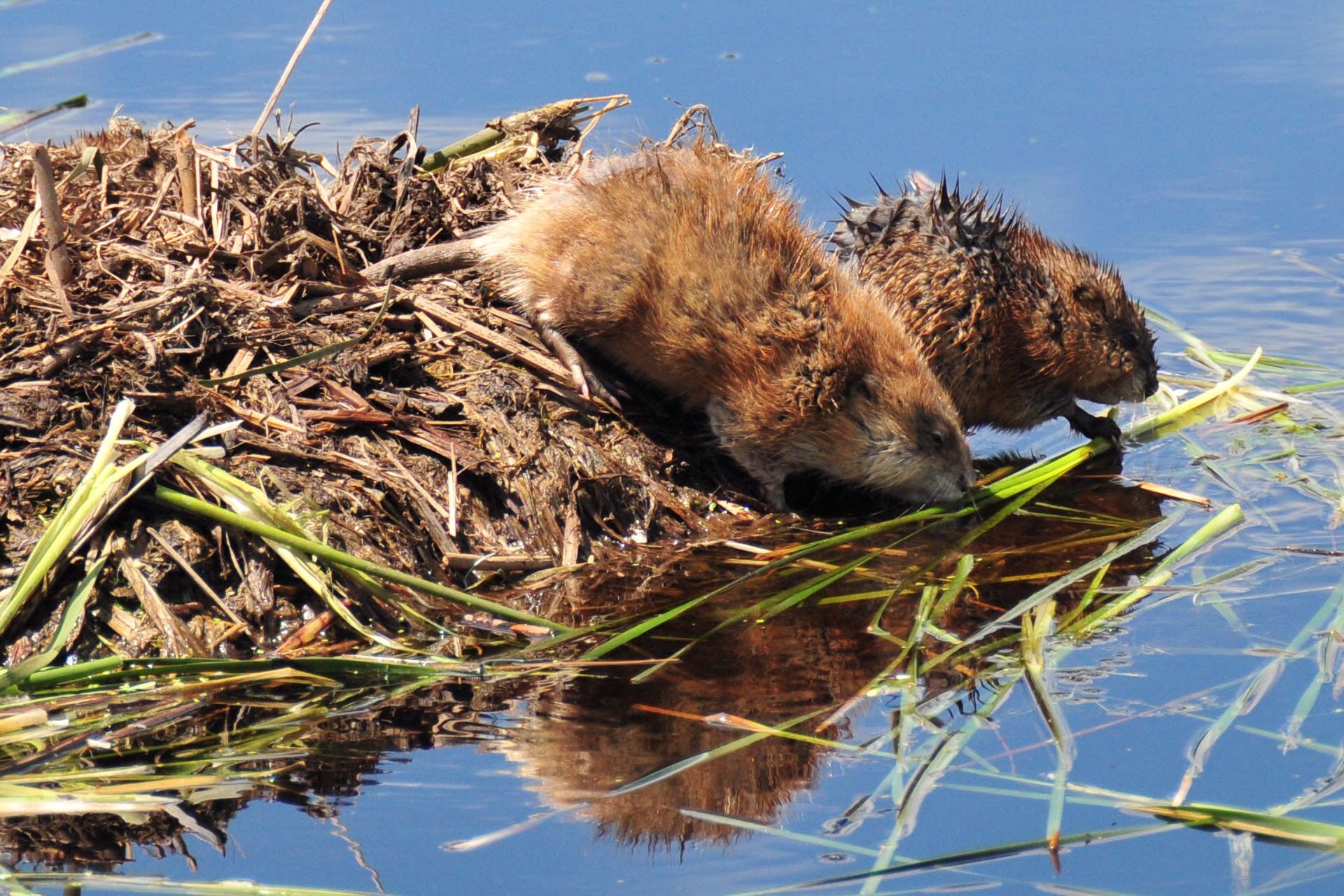
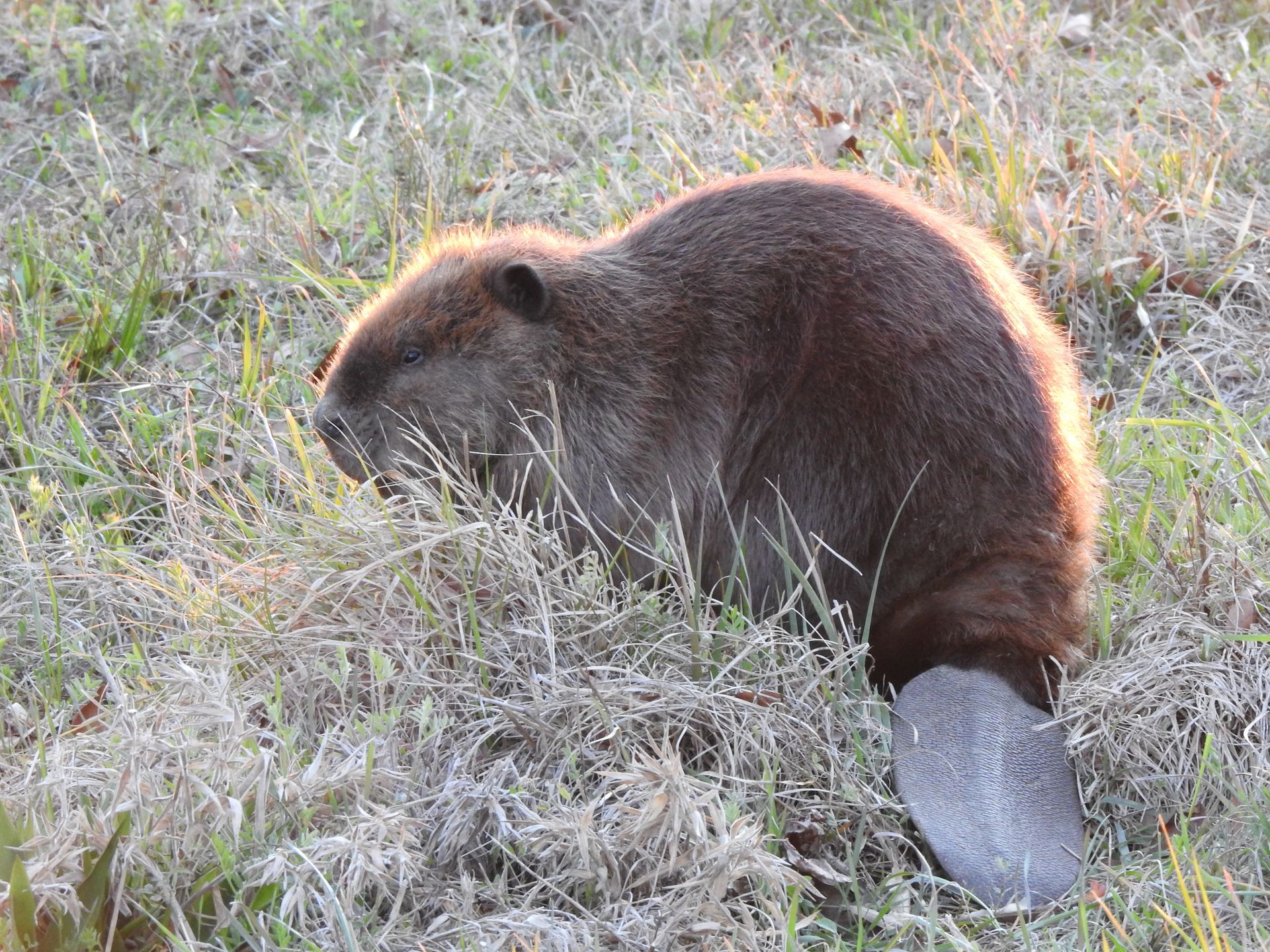
Muskrats are medium-sized, robust rodents adapted to aquatic life. Adult muskrats often weigh 2–4 pounds and measure 16–25 inches in length, including their long, thin, slightly flattened tail, according to the University of Kentucky. Their fur is dense, dark brown, and highly water-resistant, helping them stay warm and buoyant in water. In contrast to beavers, muskrat tails are thin and tail-like rather than broad and paddle-shaped, and they are generally smaller than beavers. Muskrats have small ears and eyes, and their partially webbed hind feet allow efficient swimming. 

Learn More

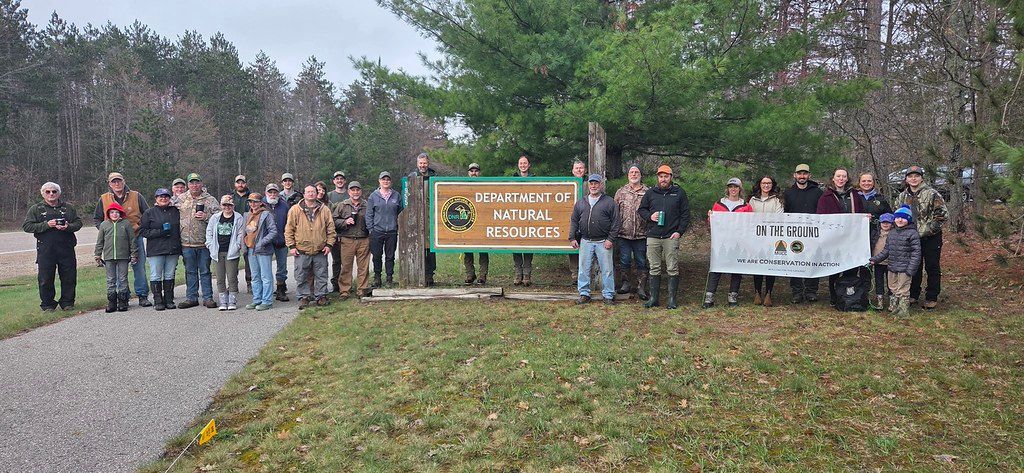
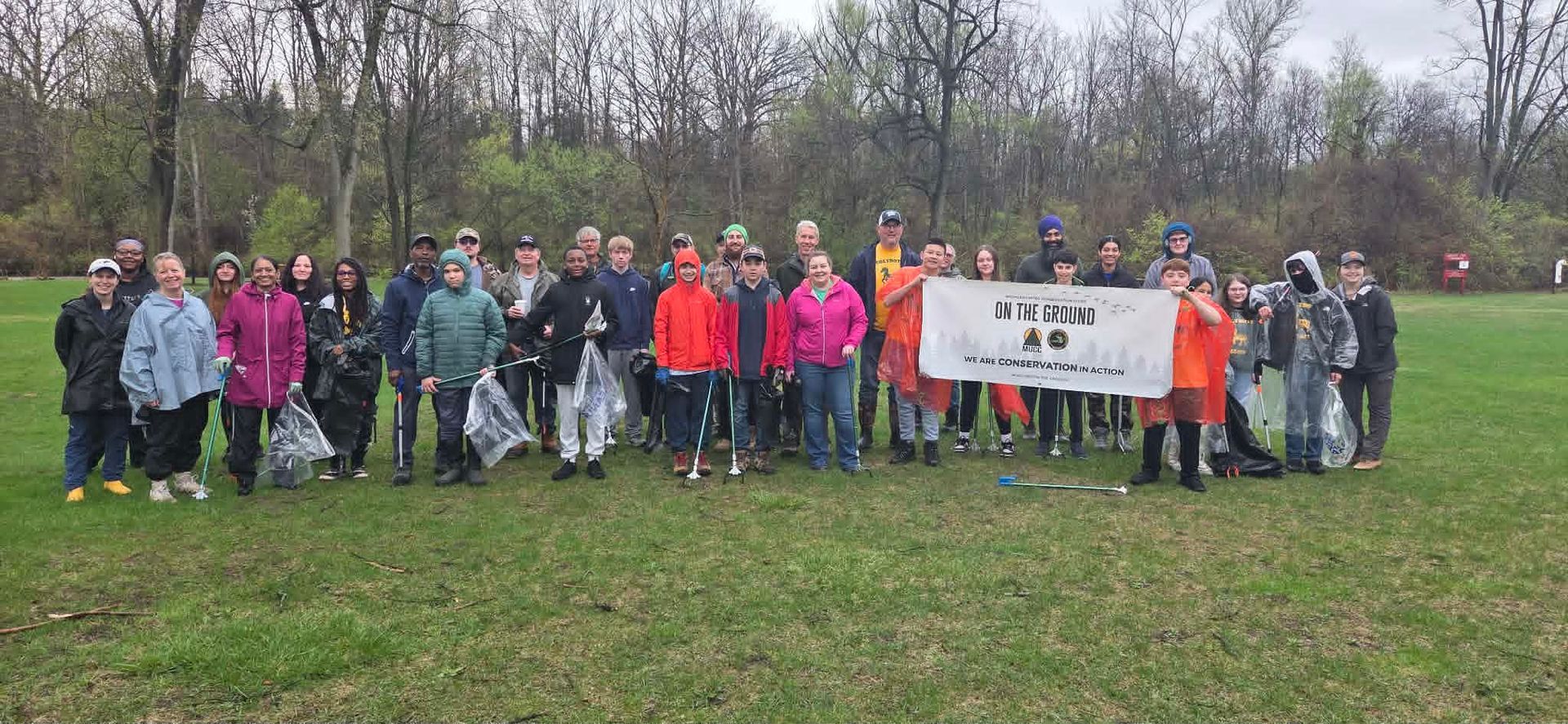
More information on muskrat and other furbearer management can be found in the DNR furbearer regulations summary. Muskrat trapping also supports Michigan’s heritage of responsible outdoor recreation. If you want to do more for wildlife and habitat across the state, consider getting involved with Michigan United Conservation Clubs (MUCC). Through programs like On the Ground, MUCC coordinates volunteer habitat projects, from wetland restoration to access improvements, that benefit muskrats and many other native species. To learn more about MUCC’s work and upcoming volunteer opportunities, visit our website

Recent Posts

By Olivia Triltsch January 29, 2026
This year, MUCC’s On the Ground program is partnering with the Michigan Department of Natural Resources to host a hands-on volunteer project focused on improving wildlife habitat on public land. This project brings together hunters, conservationists, and outdoor enthusiasts to make a tangible impact while learning more about the habitats that support Michigan’s wildlife. 
By Olivia Triltsch January 22, 2026
Michigan winters are long, but that just means fishing season doesn’t stop, it adapts to the weather. For many anglers, winter means ice fishing: drilling holes in frozen lakes, scouting for perch or pike, and enjoying fresh air with family and friends. This year, the Michigan Department of Natural Resources is making it even easier to get out on the ice by holding a Free Fishing Weekend that’s perfect for both experienced anglers and folks trying ice fishing for the first time.
By Olivia Triltsch January 15, 2026
Squirrels have been part of Michigan’s forests and woodlands since before European settlement, thriving in diverse habitats from dense hardwood forests to
More Posts