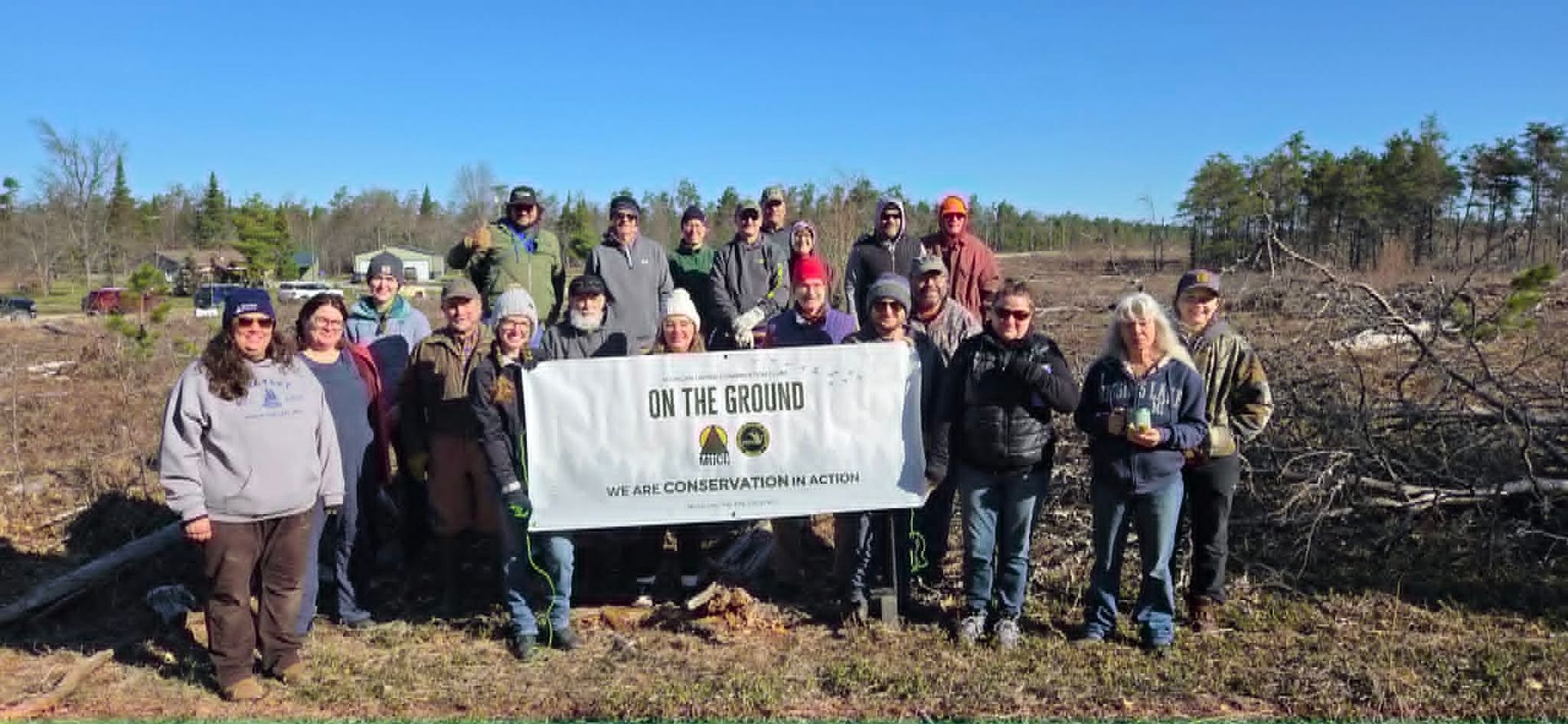



Even though squirrel populations are generally stable, Michigan’s wildlife managers and conservation partners continue to support healthy forests and sustainable hunting opportunities. Habitat conservation efforts that benefit squirrels include maintaining mast-producing trees, protecting mature woodlands, and managing forest edges that provide food and cover. Hunters can support forest conservation by purchasing base hunting licenses, which fund habitat projects, and by participating in local conservation activities such as tree planting, controlled burns, and brush pile creation that help diversify wildlife habitat.
Understanding squirrel ecology also helps landowners and naturalists make informed decisions about forestry, wildlife food sources, and land management. These rodents play an important role in forest ecology by dispersing seeds and nuts, and the food they cache often sprouts into new trees and plants. Michigan’s DNR provides guidance on habitat management and small-game species that supports both hunting and wildlife conservation goals.
Image (right): Father and son on opening day of squirrel season, courtesy of John Flores, USFWS.