
Beyond the Bald Eagle: Michigan's Other Iconic Eagle

Olivia Triltsch • January 8, 2026

History

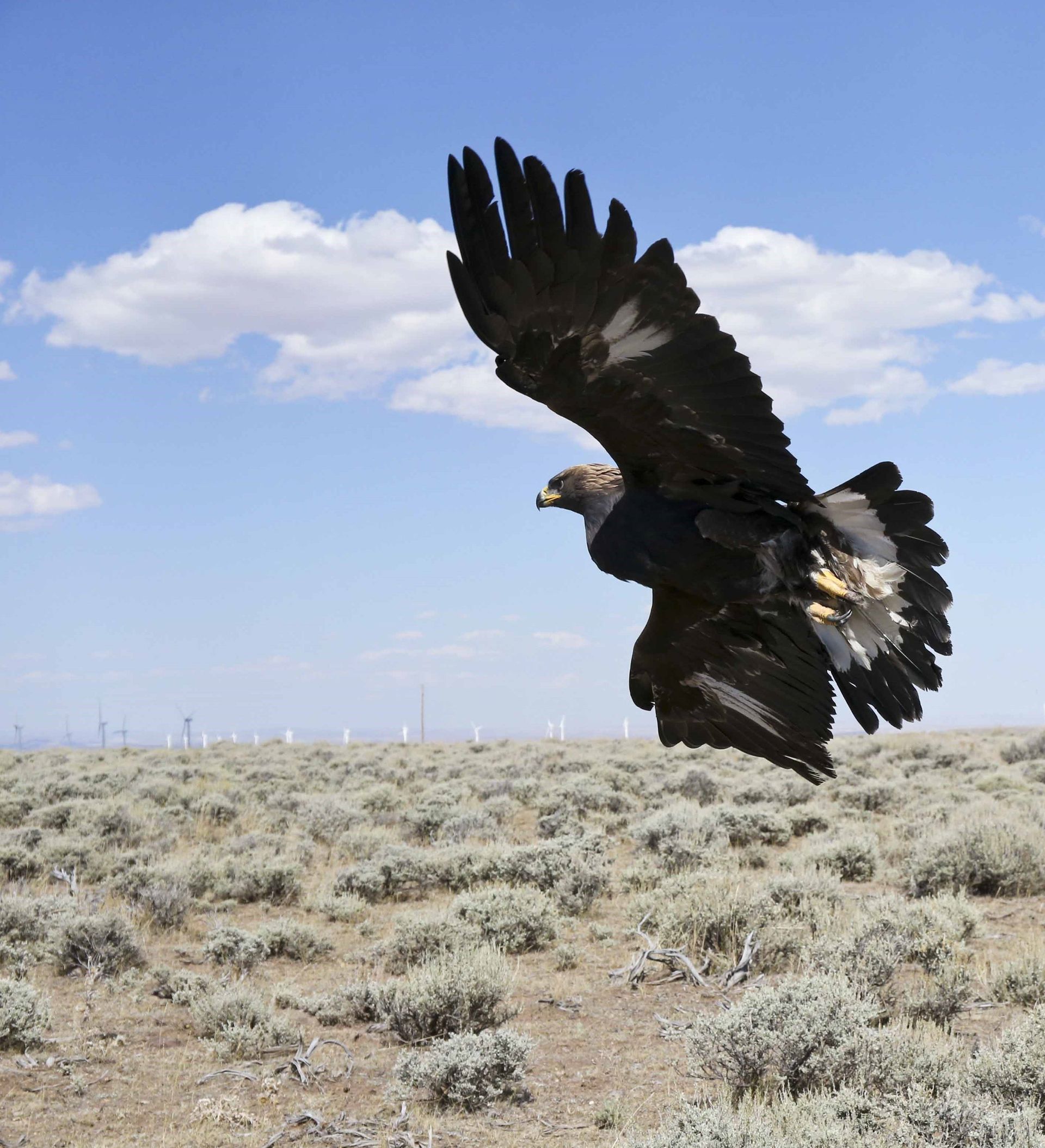
Golden Eagles (Aquila chrysaetos) are not year-round residents in Michigan, but they have a long history of passing through the state during seasonal migrations. These large raptors have been documented migrating through Michigan and, on rare occasions, in winter sightings across both the Upper and Lower Peninsulas. However, they are not believed to breed in this area. Historical bird distribution checklists note occurrences of Golden Eagles along Michigan migration routes, from Whitefish Point to Muskegon and even along Lake Erie, often during the spring and fall migration periods. 


Golden Eagles that pass over Michigan are part of the eastern population that breeds in northern Canada and farther west. As Michigan lies along the Great Lakes flyway for many migratory birds, these eagles use the state as a passage point in their annual journeys between breeding grounds and wintering areas in the continental United States, according to All About Birds. Peak sightings at key raptor monitoring sites have been noted for decades, underscoring Michigan’s place on their migratory path. 

Characteristics

Golden Eagles are among North America’s most impressive birds of prey. Adults are dark brown with a golden-bronze sheen behind the head and neck, giving the species its name. Juveniles display additional pale white markings that fade as they mature, according to the US Fish and Wildlife Service. With a wingspan that can reach up to 7 feet and powerful flight abilities, Golden Eagles soar using their sharp talons to hunt small to medium-sized mammals, birds, and carrion during migration and wintering periods.


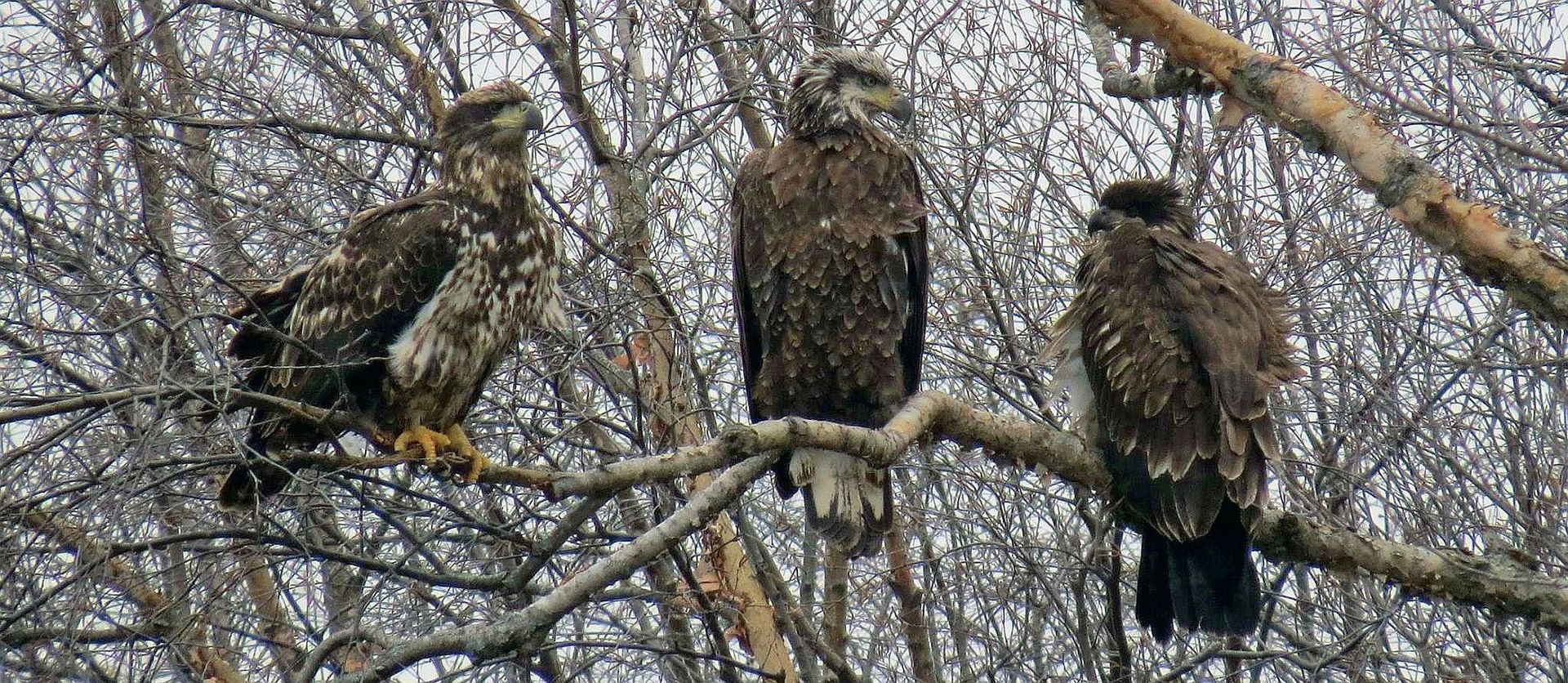
Juvenile bald eagles who have not yet reached maturity and grown their white head and tail plumage can easily be mistaken for a golden eagle. The Detroit River Hawk Watch also recognizes that the light feathers of a golden eagle are more toward the wing tips, whereas those of a juvenile bald eagle are mottled or more toward the body. 

Conservation Status

Golden Eagles are protected under several important federal laws, according to the US Fish and Wildlife Service (USFWS). The Bald and Golden Eagle Protection Act (BGEPA) and the Migratory Bird Treaty Act (MBTA) make it illegal to take, possess, or disturb Golden Eagles, their nests, or their eggs without specific authorization. This ensures that migratory visitors are legally protected in Michigan and across the United States. 


In Michigan specifically, Golden Eagles are considered an occasional migratory species according to the Distribution Checklist, meaning they are not part of the breeding bird community but do appear regularly during peak migration seasons in spring and fall. They are rarer here than Bald Eagles, which have a permanent and thriving population. 

Conservation Efforts

Unlike the Bald Eagles, being associated with water, Golden Eagles prefer open country and upland habitats, an ecology reflected in the types of landscapes they use during migration. In Michigan, they are best seen along ridgelines, open fields, and classic hawk-watch sites where currents help them gain altitude during long flights. Maintaining open grassland landscapes and minimizing disturbances near key hawkwatch and resting areas also helps these raptors during their energetically demanding migrations, as mentioned by Hawk Mountain. 


Although Golden Eagles do not breed in Michigan, conservation efforts benefit them by protecting migratory habitat and ensuring that the broader ecosystems they rely on remain intact. Federal protections such as the Bald and Golden Eagle Protection Act and the Migratory Bird Treaty Act provide legal safeguards against harm or disturbance during all life stages.  


Bird monitoring organizations, like the Mackinac Straits Raptor Watch and similar hawkwatch sites, contribute to our understanding of Golden Eagle movements by counting migrating raptors each spring and fall. These citizen-science and professional monitoring efforts help track trends over time, inform conservation partners, and engage the public in raptor stewardship. 


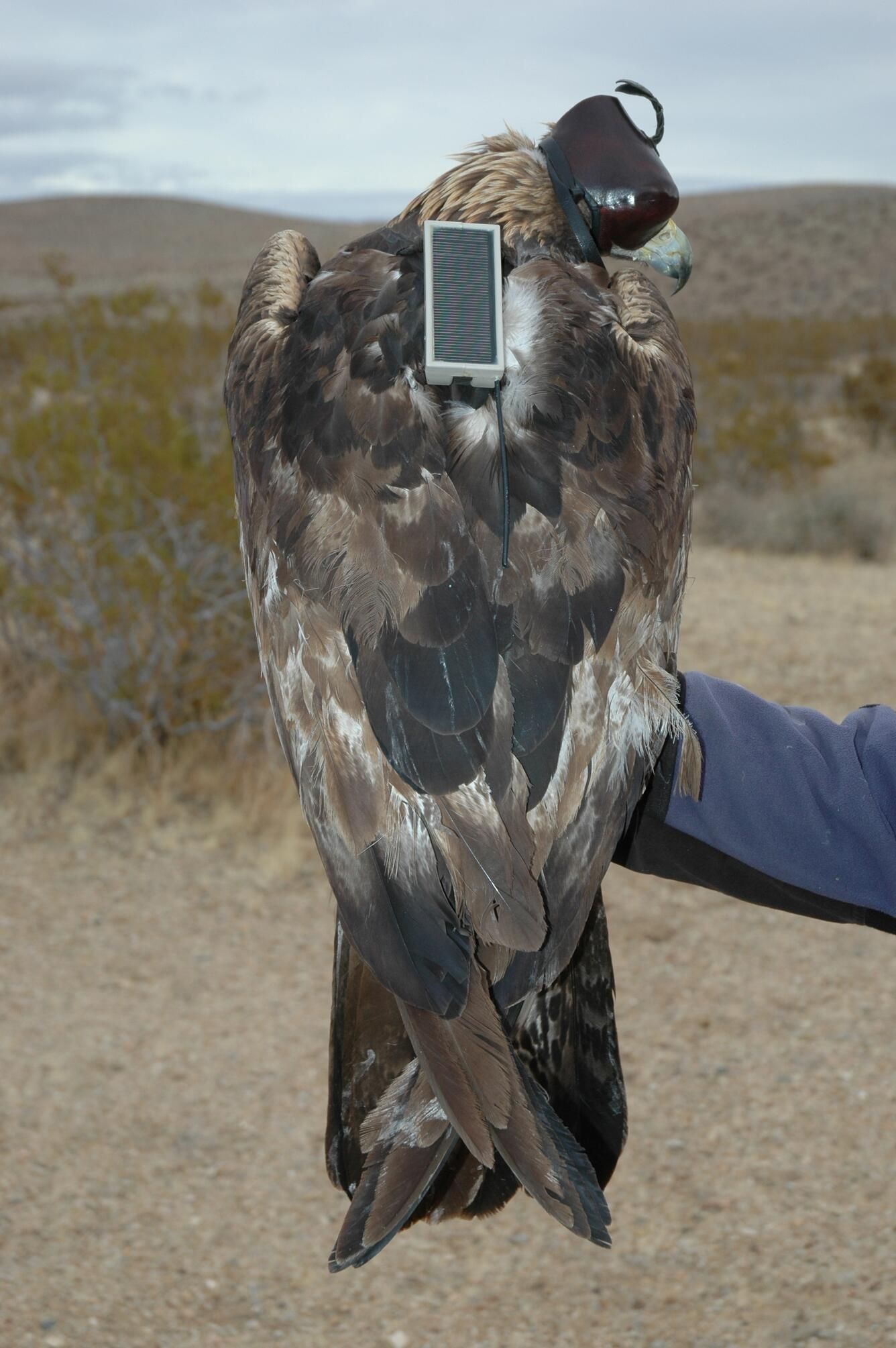
Image: Female golden eagle with a telemetry backpack, courtesy of Daniel Driscoll, USGS.

Learn More

More information about federal protections on these birds and many others can be found at the USFWS golden eagle species profile. Identification guides for the species can be found on All About Birds, along with information about life history and distribution. If you are interested in becoming a part of the birding group, visit the Michigan DNR page on birding for more information and helpful locations. Local pages like the Detroit River Hawk Watch can provide helpful tools for participating in birding and also provide local data. 


If you are looking to get involved in working to conserve habitat for wildlife, consider joining Michigan United Conservation Clubs and our fight to conserve, protect, and enhance Michigan's natural resources and outdoor heritage. Other options to help conserve Michigan include making donations or volunteering for wildlife habitat improvement. Our award-winning On the Ground program is looking for passionate volunteers to enhance wildlife habitat across the state. If you are interested in getting involved or learning more about the program, visit our habitat website.