On the Ground: Wood Duck Box Maintenance at Maple River State Game Area
Volunteers Brave Michigan Winters
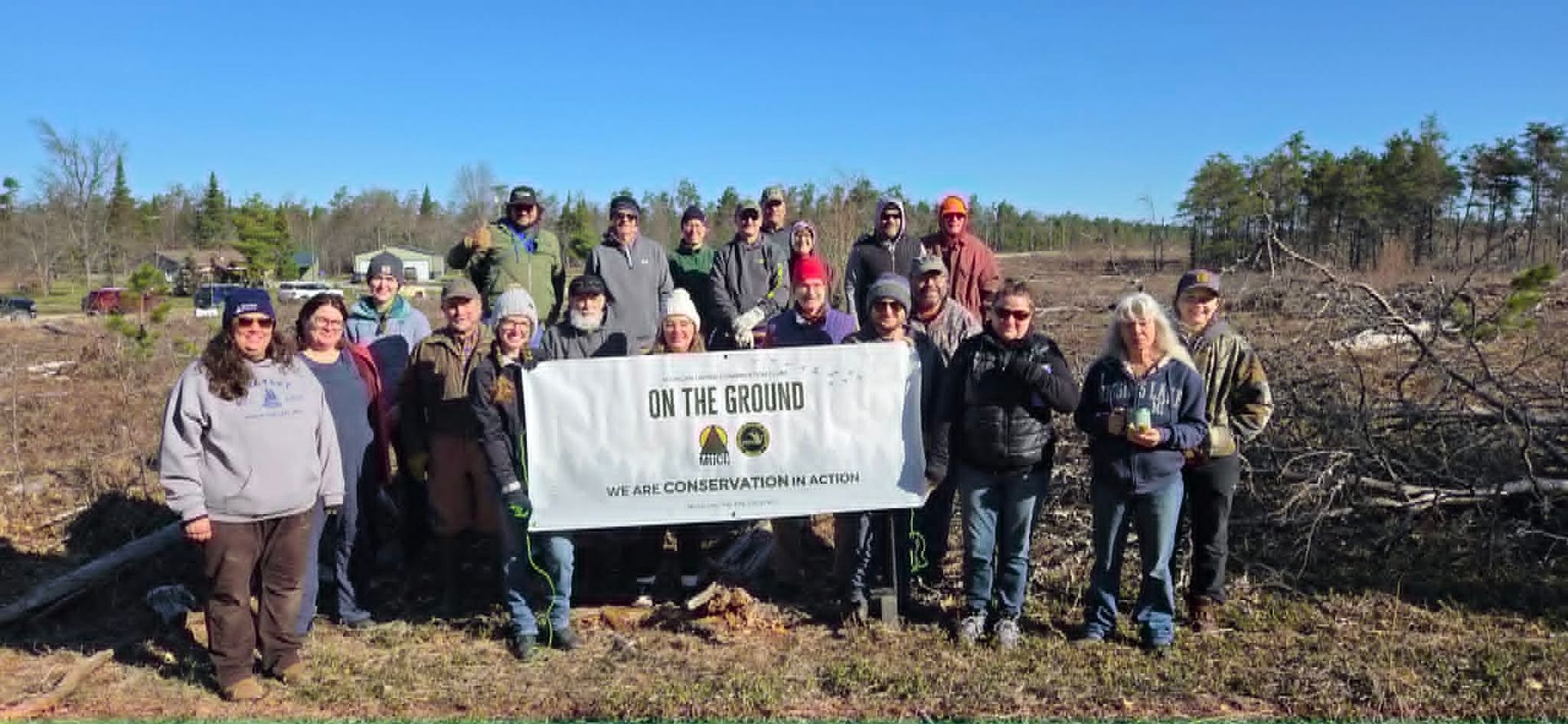
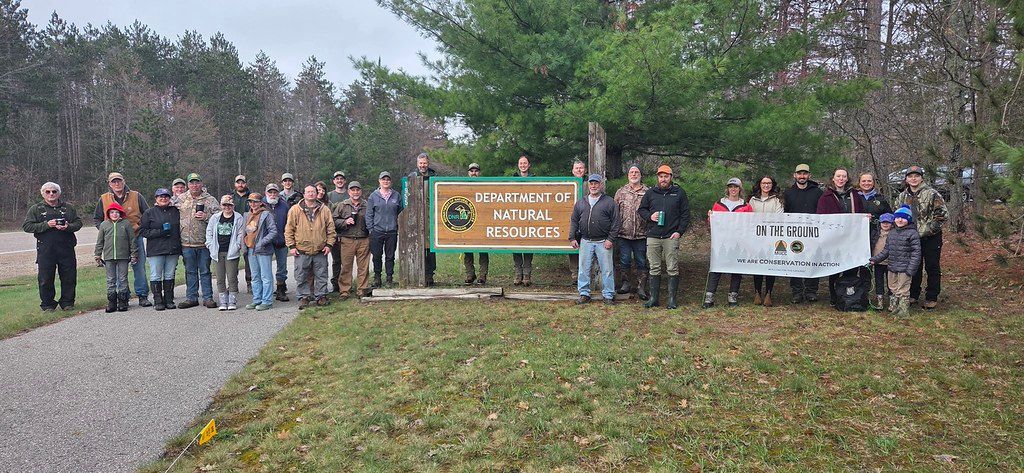
On Saturday, February 7, 2026, Michigan United Conservation Clubs’ (MUCC) On the Ground (OTG) program partnered with the Michigan Department of Natural Resources (DNR) Wildlife Division to complete wood duck box maintenance at Maple River State Game Area in Gratiot County.
Despite winter conditions, 13 dedicated volunteers came together to improve nesting opportunities for one of Michigan’s most iconic waterfowl species, the wood duck. Volunteers were divided into teams and assigned to Units C, D, and E within the state game area, allowing crews to efficiently access and service nest boxes across the wetland complex.
Throughout the day, volunteers cleaned and maintained existing wood duck boxes while collecting valuable field data. Each box was cataloged for nest conditions, used by wildlife, and signs of predation. Monitoring and maintaining nesting structures play an important role in supporting wood duck populations, as these birds rely on suitable cavities or properly maintained nest boxes for successful reproduction.
In total, volunteers directly improved 49 acres of wood duck and other nesting wildlife habitat through this project. Efforts like these help ensure Michigan’s wetlands continue providing critical breeding habitat not only for wood ducks, but for many other wildlife species that depend on healthy wetland ecosystems.
MUCC’s OTG program continues to demonstrate how partnerships between conservation organizations, state agencies, and volunteers can create meaningful, hands-on impacts on public lands. Projects like this provide participants with the opportunity to directly contribute to wildlife conservation while learning more about Michigan’s natural resources.
Why is it Important?
Wood ducks are one of Michigan’s most recognizable waterfowl species, but they depend on proper nesting habitat to maintain strong populations. Unlike many ducks, wood ducks nest in tree cavities near wetlands. As natural cavities become less common due to tree loss and habitat changes, well-maintained nest boxes provide critical alternative nesting sites that support successful reproduction. Cleaning and monitoring boxes helps remove parasites, track nesting success, and provide valuable data that helps wildlife managers support healthy populations.
Maintaining nest boxes also benefits Michigan’s broader wetland ecosystems. Healthy wetlands provide habitat for many species, improve water quality, and help reduce flooding impacts. Volunteer conservation projects like this give community members a hands-on opportunity to protect and enhance Michigan’s natural resources while supporting wildlife for future generations.
MUCC would like to thank the Michigan DNR Wildlife Division for their continued partnership and technical guidance, as well as the volunteers who dedicated their time and effort to improving habitat at Maple River State Game Area.
Learn More
Want to participate in one of our habitat enhancement projects? If you are interested in volunteering at future OTG habitat improvement events, visit mucc.org/on-the-ground to view upcoming opportunities and learn how you can get involved in conservation projects across Michigan. We work to conserve and enhance public lands by hosting volunteer workdays throughout the state geared toward habitat improvement. Common habitat projects include invasive species removal, wood duck boxes, river cleanups, tree plantings, and more. All ages are welcome, so bring a friend or two if you’d like! Registration details and more can be found on our website at mucc.org/on-the-ground.
Recent Posts