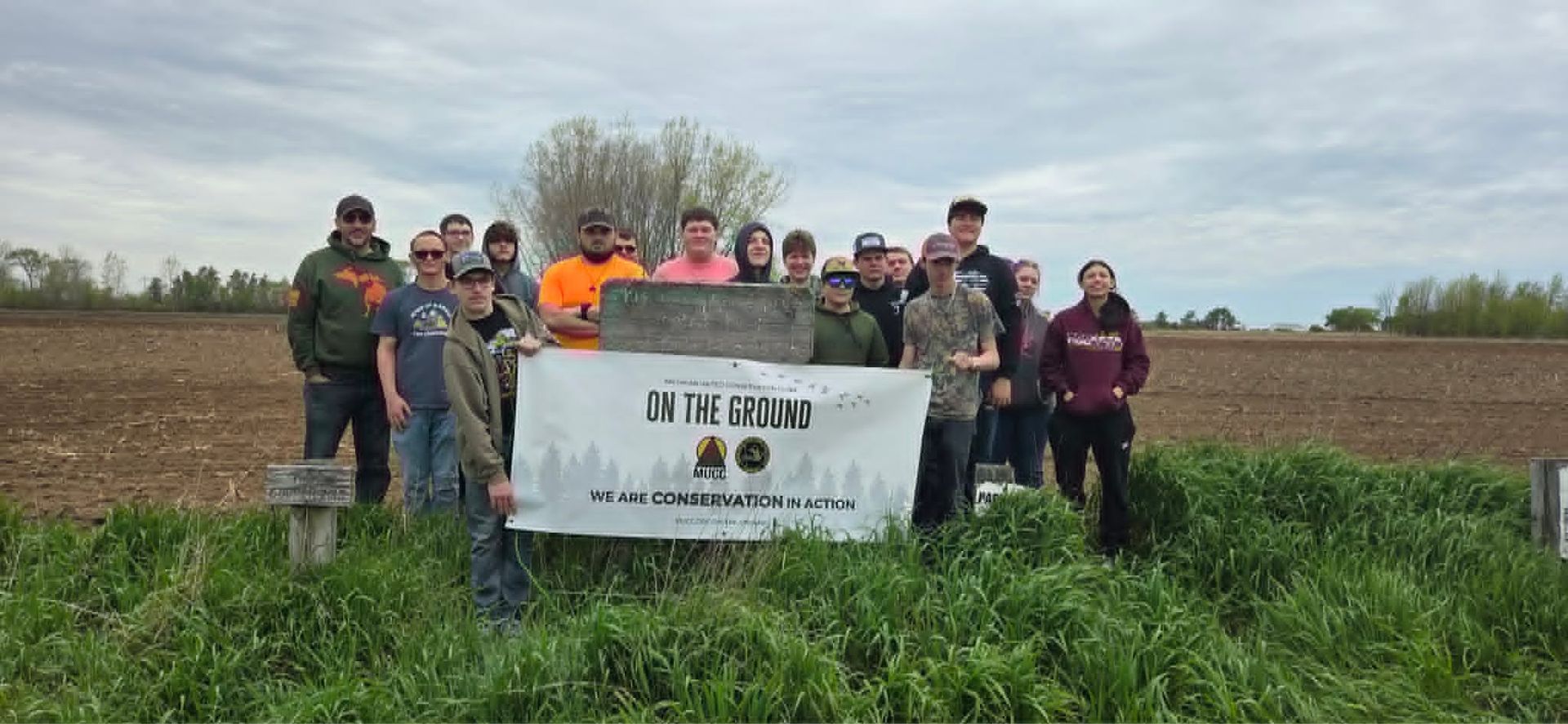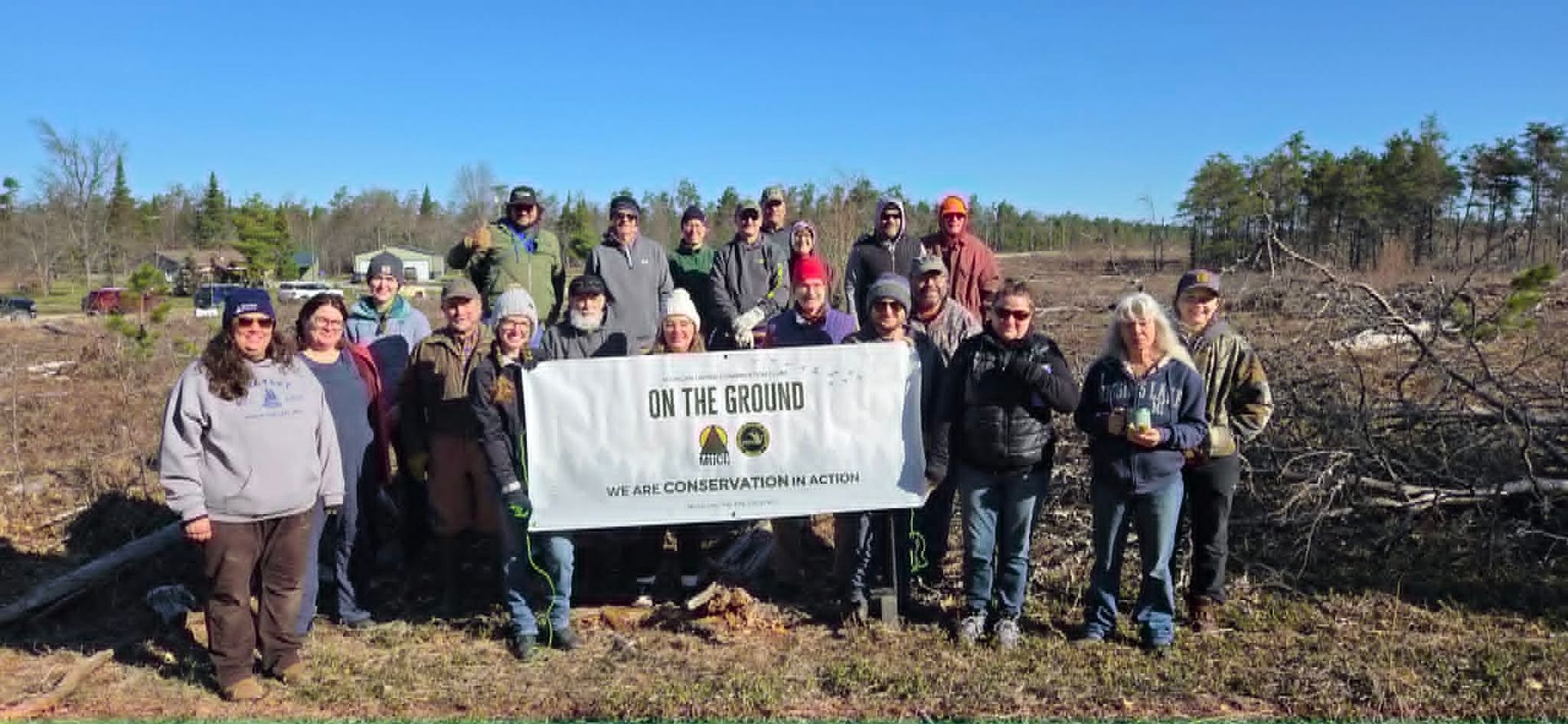
Management typically involves mechanical removal, prescribed fire where appropriate, and targeted herbicide application. According to the University of Illinois Extension, management should take place over multiple years because multiflora rose has long-lived seed banks and can easily spread. Early detection and rapid response are far more effective than attempting to reclaim heavily infested sites. Volunteer-driven habitat projects frequently include invasive shrub removal as part of broader restoration efforts. Allowing invasive shrubs like multiflora rose to dominate reduces long-term habitat quality.
For hunters and conservationists, invasive species management is not separate from wildlife management, it is a core part of it. Healthy deer habitat, quality turkey nesting cover, and productive forest regeneration all depend on diverse native plant communities.
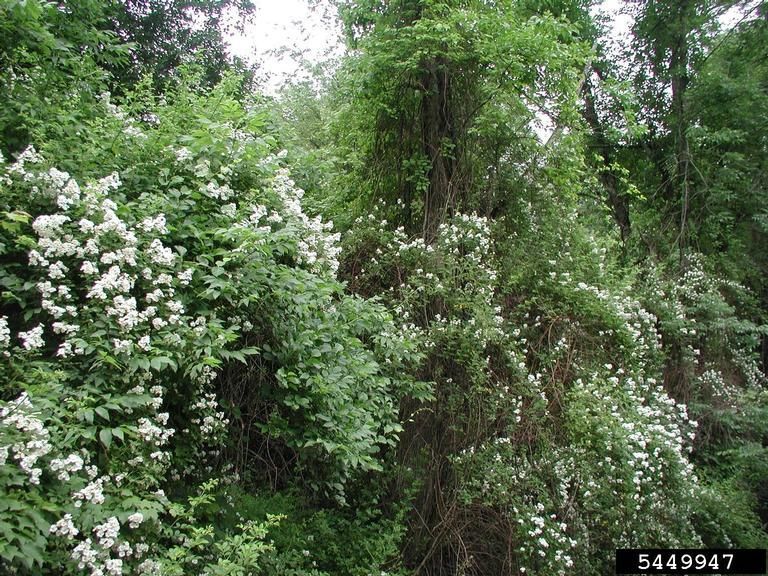
Image (above): An invasion of multiflora rose, courtesy of Leslie J Mehrhoff, University of Connecticut, Bugwood.org.