Growing Success with Food Plots
History
Historically, hunters had used baiting techniques to ensure the harvest of wild game, particularly for deer. As time went on, diseases like Chronic Wasting Disease (CWD) and bovine tuberculosis (TB) introduced uncertainty into the stability of the deer herd, leading to more restrictive regulations.
The Michigan DNR currently has restrictions in place that prohibit baiting for deer in the Lower Peninsula aside from a few exceptions during the Independence and Liberty hunts. The Upper Peninsula allows for baiting as of the 2025 deer season per the DNR Deer Regulation Summary. Although baiting is illegal or restricted in much of Michigan, there is still an opportunity to transition efforts toward enhancing habitat for deer on the property you hunt.
Conservation
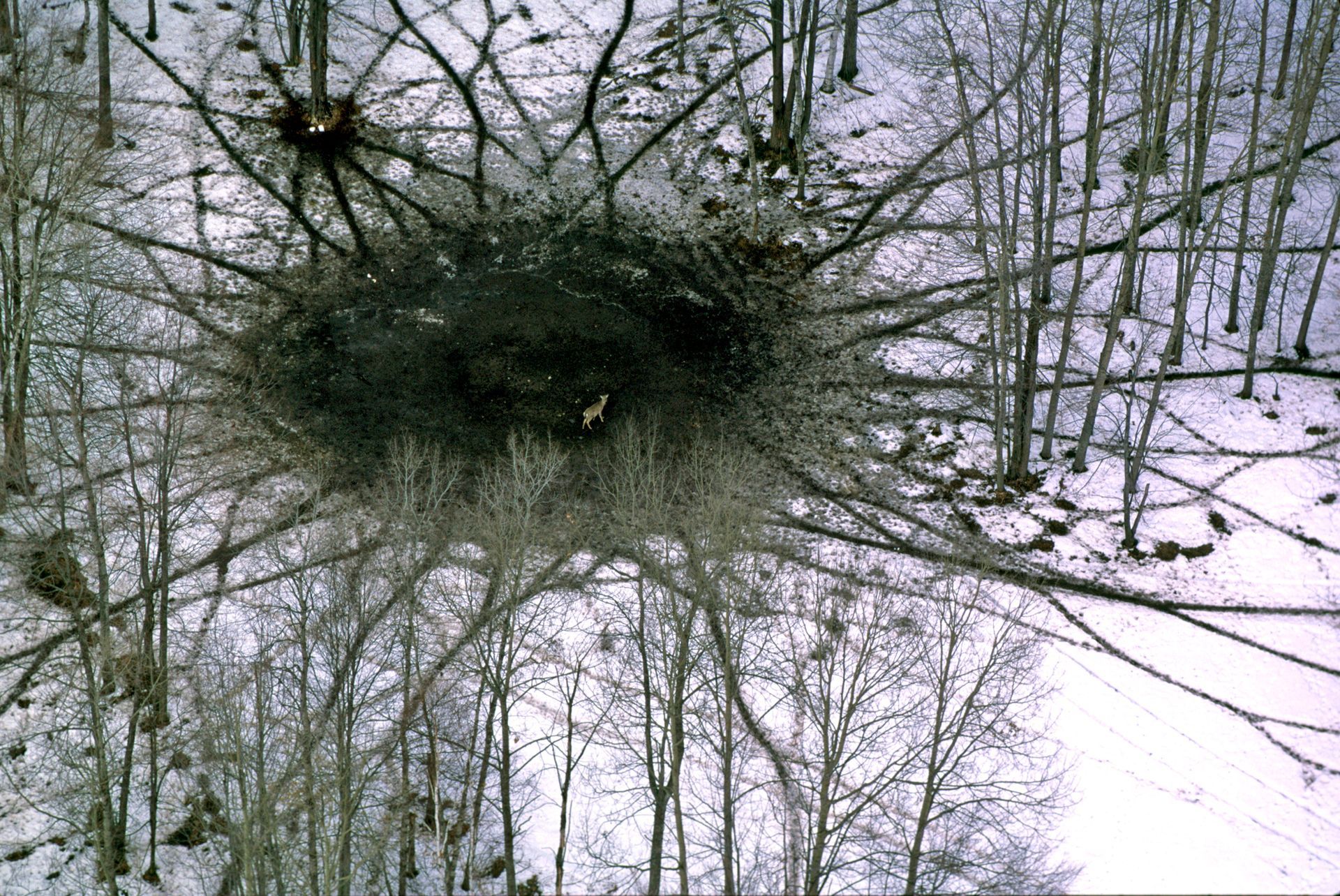
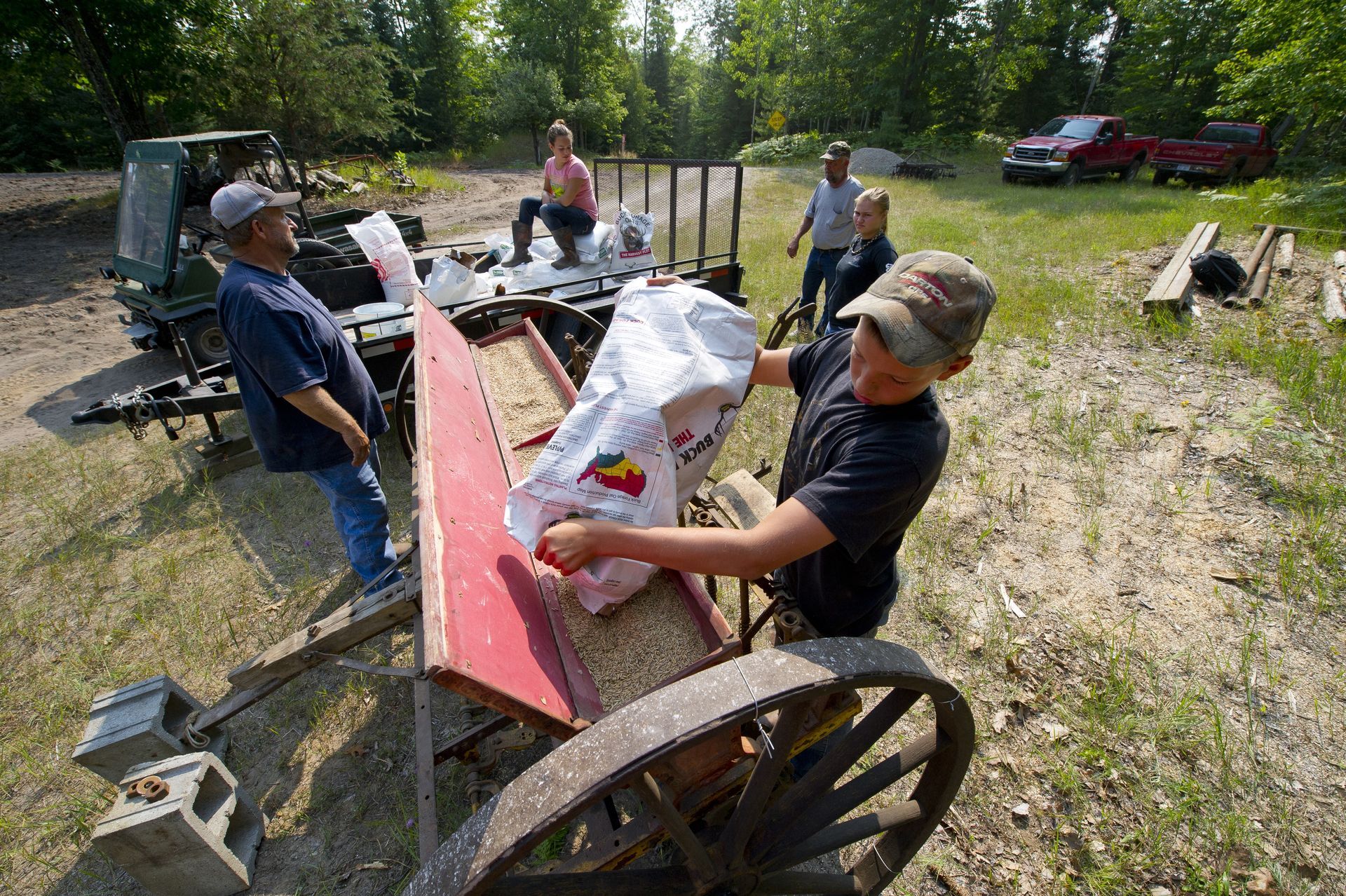
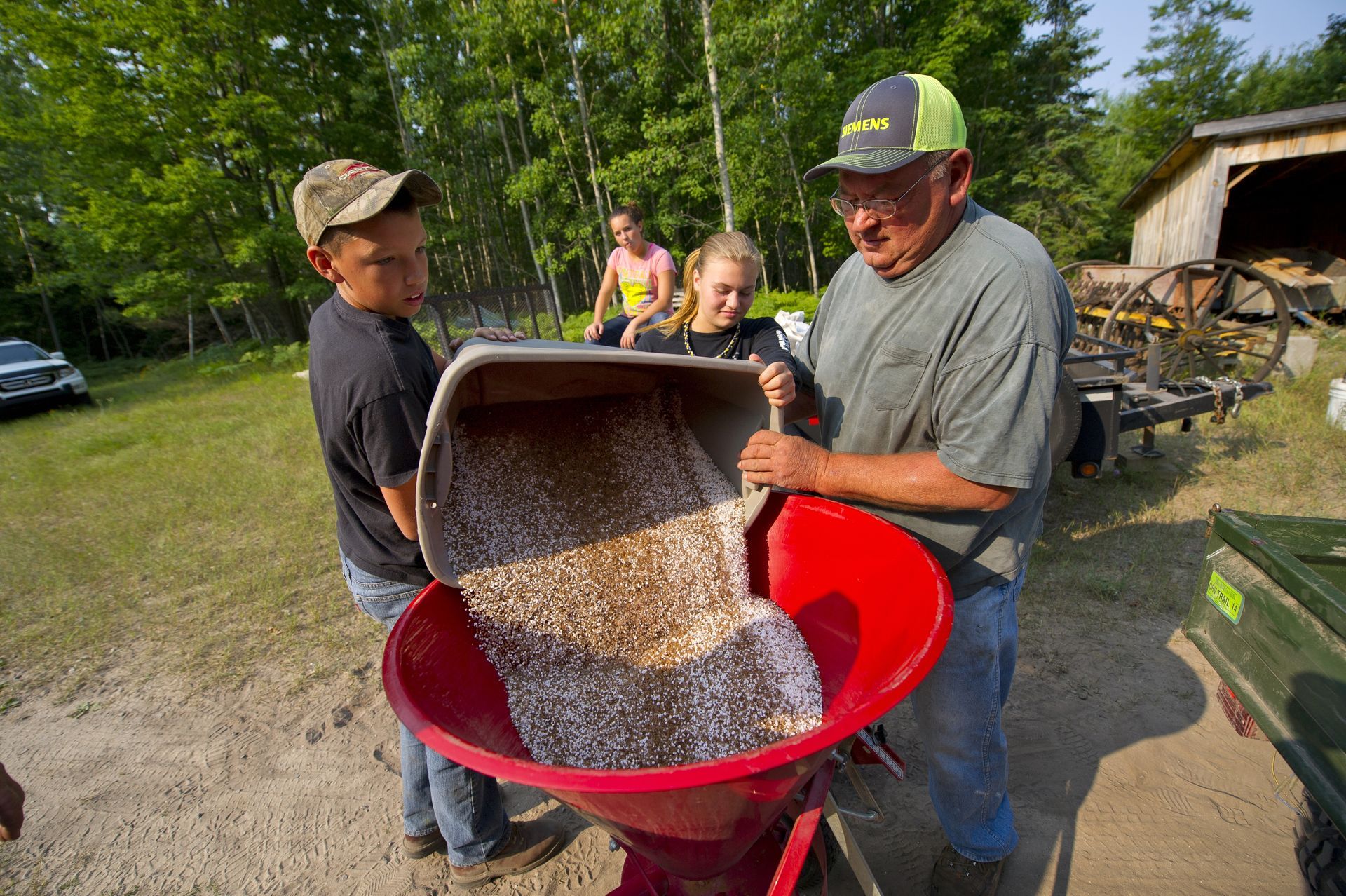
One of the most well-known alternatives to baiting is the installation and maintenance of a food plot to create forage for the target animal on private lands. According to the Michigan DNR, a food plot is “naturally occurring foods, standing agricultural crops, or food placed as a result of using normal agricultural practices”. For hunters and landowners, this distinction is important to ensure compliance in the legal standards for maintaining a food plot rather than a bait pile. Managing habitat with a food plot allows the feed to be distributed more evenly over a larger area than that of a bait pile, avoiding legal and disease transmission issues associated with baiting. Food plots can also help to prevent or limit grazing on more desirable crops when grains like buckwheat are properly implemented.
Because food plots support a wide range of wildlife, including small mammals and upland birds, they can be part of a broader habitat-improvement strategy. Especially when combined with other practices such as native forage plantings, forest edge improvement, and habitat diversity, food plots can strengthen overall ecosystem health while improving deer nutrition and carrying capacity.
At the same time, hunters should avoid manipulating food plots in ways that resemble baiting or artificial feeding (for example, placing concentrated feed on the ground or piling grain). Keeping food in the ground and allowing natural growth helps maintain compliance and supports habitat conservation.
Learn More
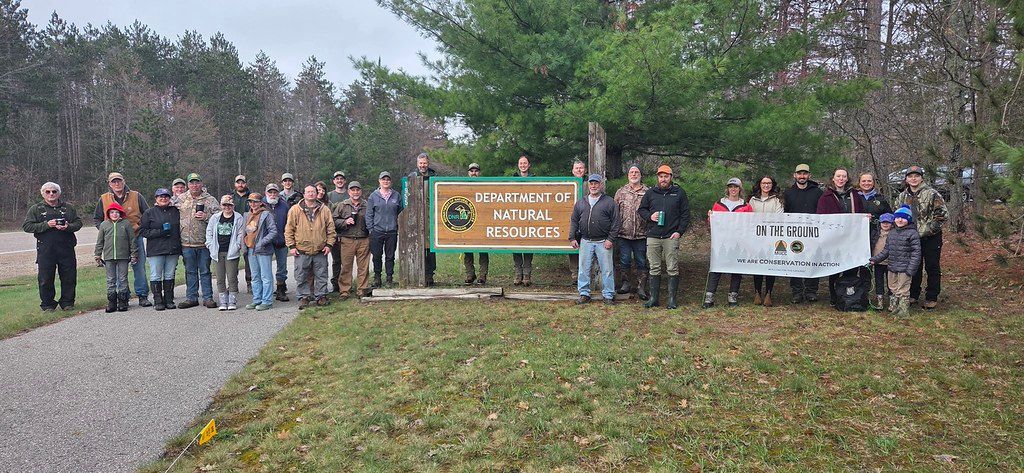
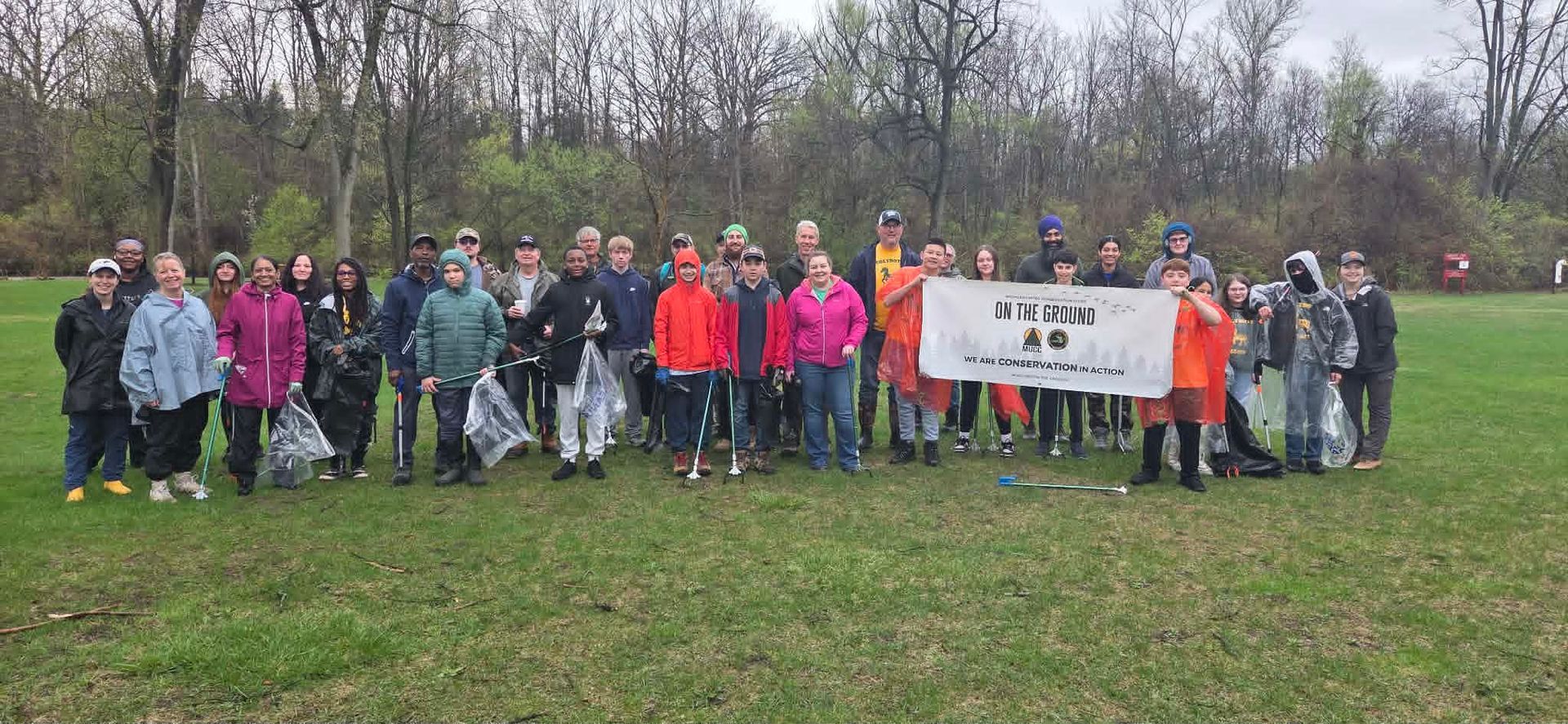
Visit the Michigan DNR Baiting and Feeding webpage and the Wildlife Conservation Order for more information on these practices in the state. Updated information on the best practices for 2025 was released by the DNR containing vital information for hunters. More specific information on planning and maintaining a food plot can be found in the Michigan DNR Landowners Guide. Members of Michigan United Conservation Clubs (MUCC) get access to 10% off online orders with Domain Outdoor and a free trial or 20% off OnX Hunt, among several other benefits. Both of these partners can provide a great start to what you need for a food plot. If you would like to volunteer to enhance habitat on public land, join us at one of our upcoming On the Ground events across the state of Michigan.
Recent Posts