Signs of Spring: The American Robin

Olivia Triltsch • March 12, 2026

History

The American robin has long been a widespread and familiar bird throughout North America, including Michigan, where it inhabits a wide range of landscapes from forests and farmlands to city parks and residential neighborhoods. Historically, robins adapted well as forests were cleared and agricultural landscapes developed according to the Michigan Department of Natural Resources (DNR), allowing them to thrive in open areas with scattered trees where they could forage for insects and worms. Robins have also become culturally significant across North America as a symbol of spring. While many robins remain in Michigan year-round, as recorded by the National Audubon Society, large numbers migrate south during the winter and return in early spring as temperatures rise and food becomes more available.

Characteristics

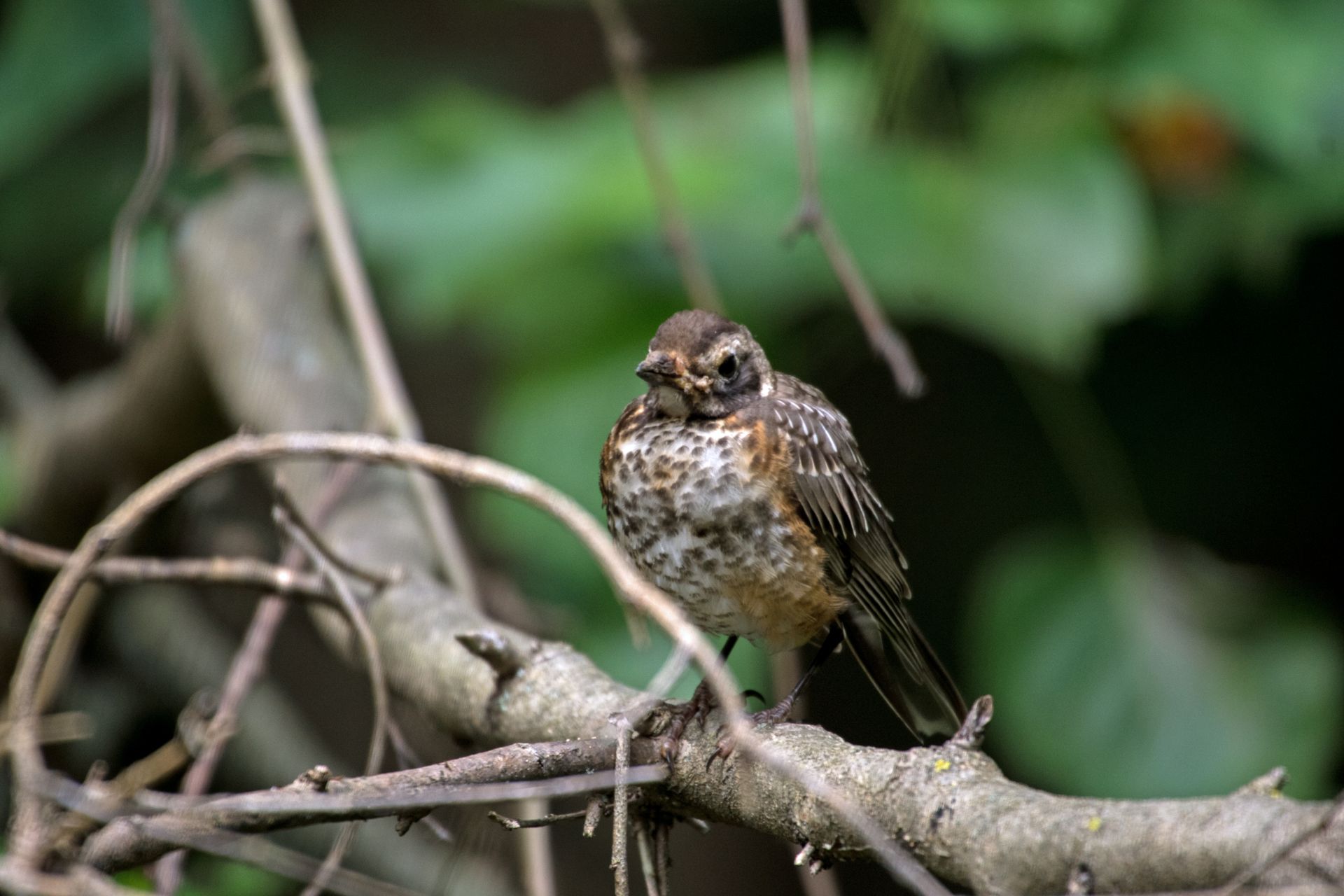
The American robin is a songbird measuring roughly 9–11 inches long with a wingspan of about 12–16 inches, as reported on All About Birds. Adult robins are easily identified by their rust-colored breast, gray-brown back, dark head, and yellow bill. Males typically display brighter coloration, while females tend to appear slightly duller in tone. All About Birds describes juvenile robins looking quite different from adults. Young birds have mottled plumage, which helps them blend into their surroundings until they mature into their familiar adult coloration. Robins are frequently observed hopping across lawns or open ground while searching for earthworms and insects. They have a distinctive upright posture and often pause between short runs while foraging, as mentioned by the National Audubon Society. 


Image (left): A juvenile robin on a branch courtesy of Andrew Hazen.
Status

The American robin is one of the most common birds in North America and remains widespread throughout Michigan. According to bird population estimates by All About Birds, there are hundreds of millions of robins across the continent, making the species currently stable and not considered threatened.


In Michigan, robins are protected under the federal Migratory Bird Treaty Act, which safeguards native bird species from unregulated hunting or disturbance as recognized by the U.S. Fish and Wildlife Service. While the species is adaptable, factors such as pesticide use, window collisions, and habitat loss can still impact local populations. Because robins rely heavily on insects and soil invertebrates, maintaining healthy landscapes with minimal chemical use can help support their populations and other beneficial wildlife species, as recommended by the National Audubon Society.

Conservation

Although robins are common, their presence reflects the health of local ecosystems. Lawns, forests, and natural areas that support abundant insects, earthworms, and fruiting plants provide important feeding opportunities for robins throughout the year. Land management practices that preserve native trees and shrubs can benefit robins during nesting and migration periods. Robins typically build cup-shaped nests in trees or shrubs, as mentioned by All About Birds, often using materials like mud and grasses to form a sturdy structure. Native fruiting plants such as serviceberry, dogwood, and wild grape can also provide important food sources later in the year. Conservation efforts that maintain healthy soils and diverse plant communities benefit robins and many other bird species. For sportsmen and conservationists, protecting these habitats helps ensure that both game and non-game species continue to thrive across Michigan’s landscapes.


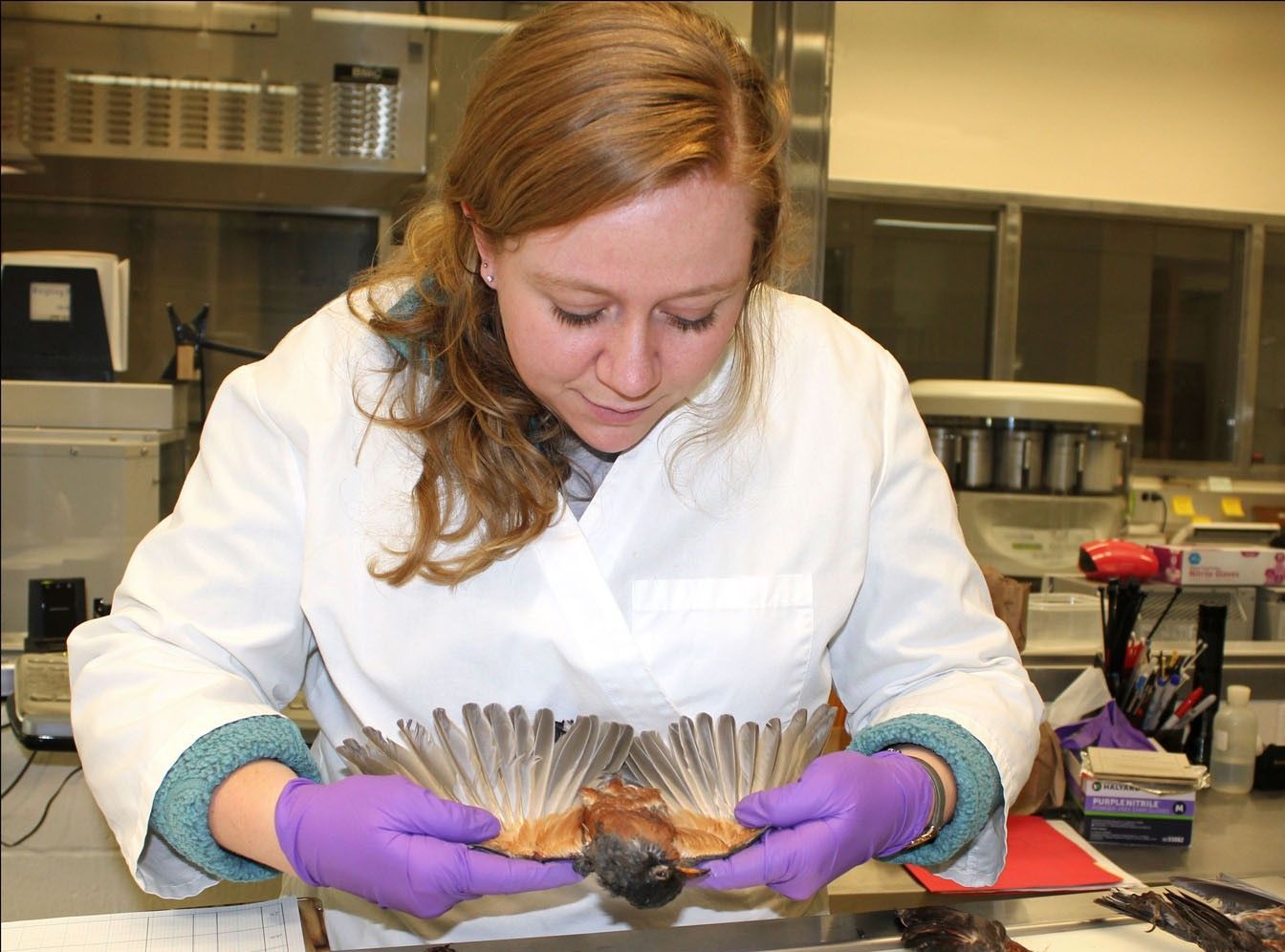
Image (right): Forensic ornithologist examining an American Robin, Courtesy of Ariel Gaffney, USFWS.

Learn More

The American robin is one of many species that signal the arrival of spring in Michigan. Learning about common wildlife and the habitats they depend on is an important part of conservation. Resources like the Cornell Lab of Ornithology’s bird guides and the Michigan Department of Natural Resources' wildlife pages provide helpful identification tips and ecological information for those interested in Michigan’s birds. If you are interested in helping protect and improve wildlife habitat across Michigan, consider getting involved with Michigan United Conservation Clubs (MUCC). Through its award-winning On the Ground program, MUCC organizes volunteer projects that restore habitat, remove invasive species, and enhance public lands for wildlife and outdoor recreation. To learn more about MUCC’s conservation work and find upcoming volunteer opportunities, visit our On the Ground page.

Recent Posts

By Olivia Triltsch April 23, 2026
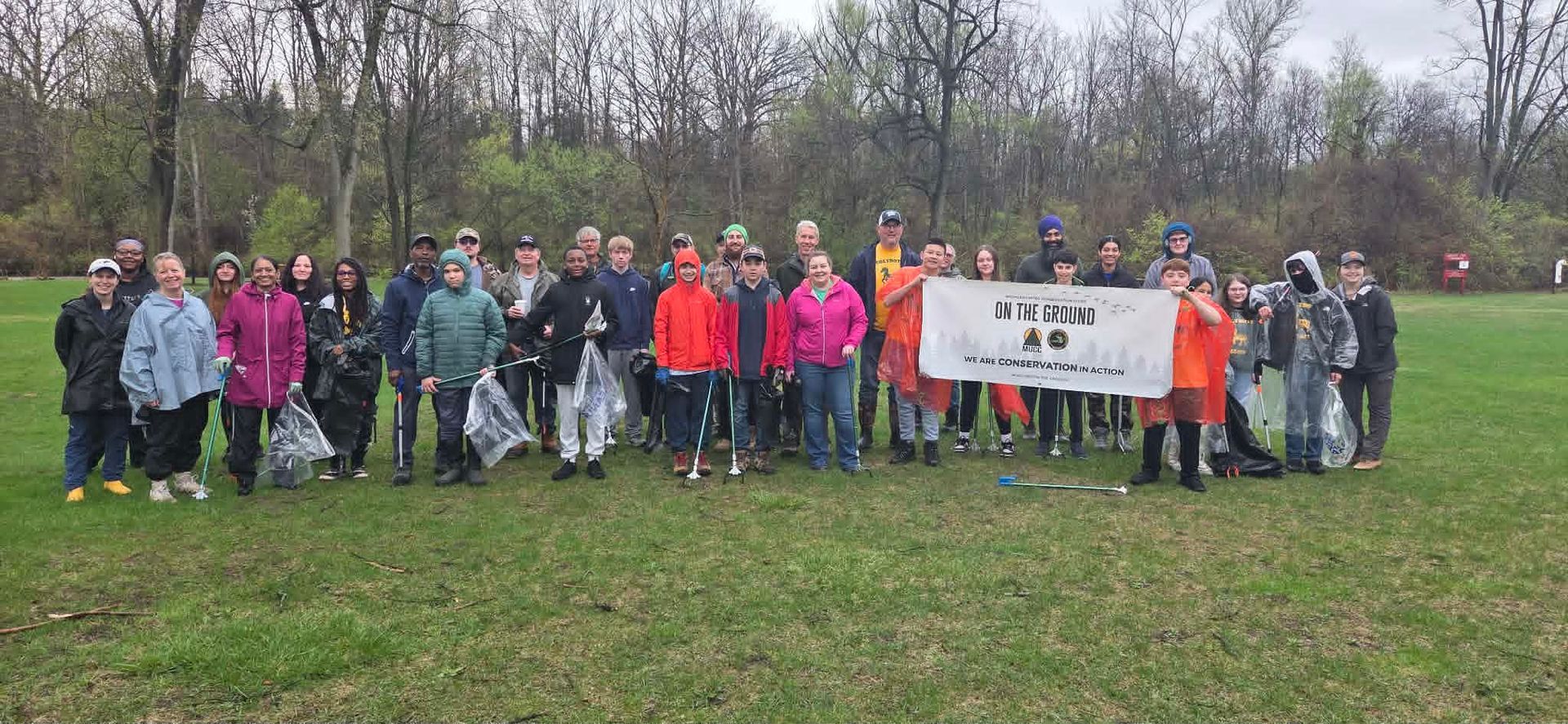
On Saturday, April 18, 2026, MUCC’s OTG program partnered with the Clinton River Watershed Council and Metro-West Steelheaders to host the annual Clinton River clean-up at Yates Park. Volunteers removed about 270 pounds of trash from the riverbanks and the surrounding watershed. Approximately 80.3 acres of fish and wildlife habitat were directly impacted by this project, in addition to improving local outdoor recreational opportunities. Cleaning up the watershed is critical for ensuring safe drinking water, safe recreation, and a clean habitat for fish and wildlife alike.
By Olivia Triltsch April 16, 2026
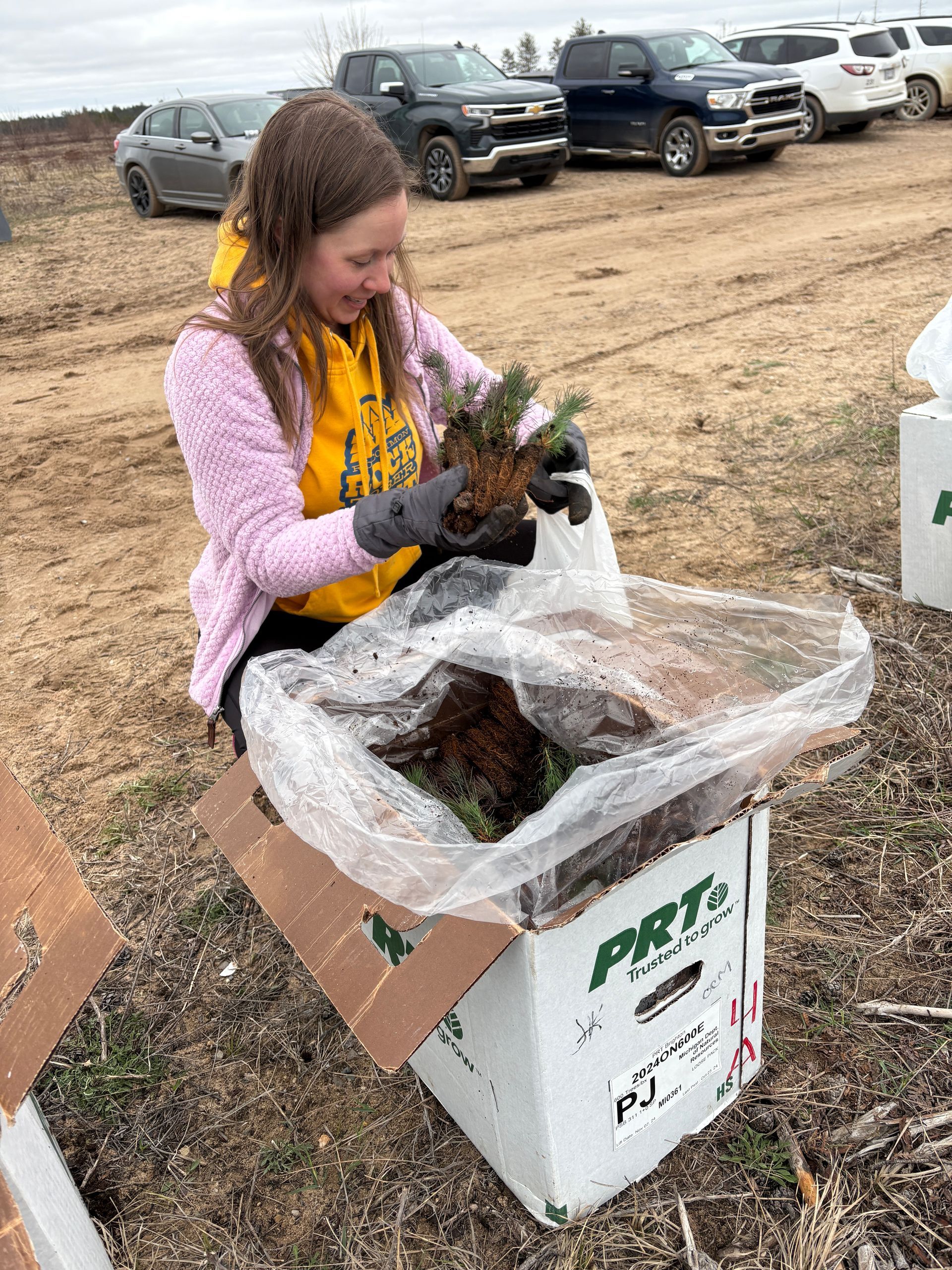
MUCC’s On the Ground (OTG) will be in the northern lower peninsula in late spring to improve habitat for wildlife. Volunteers are needed on Saturday, April 25th, from 8 AM to 12 PM and Saturday, May 3rd, from 9 AM to 2 PM to plant trees across Crawford County. These projects will take place rain or shine, except in the event of severe weather, so please dress accordingly. All registered volunteers will receive lunch and a free appreciation gift for their efforts.
By Olivia Triltsch April 9, 2026
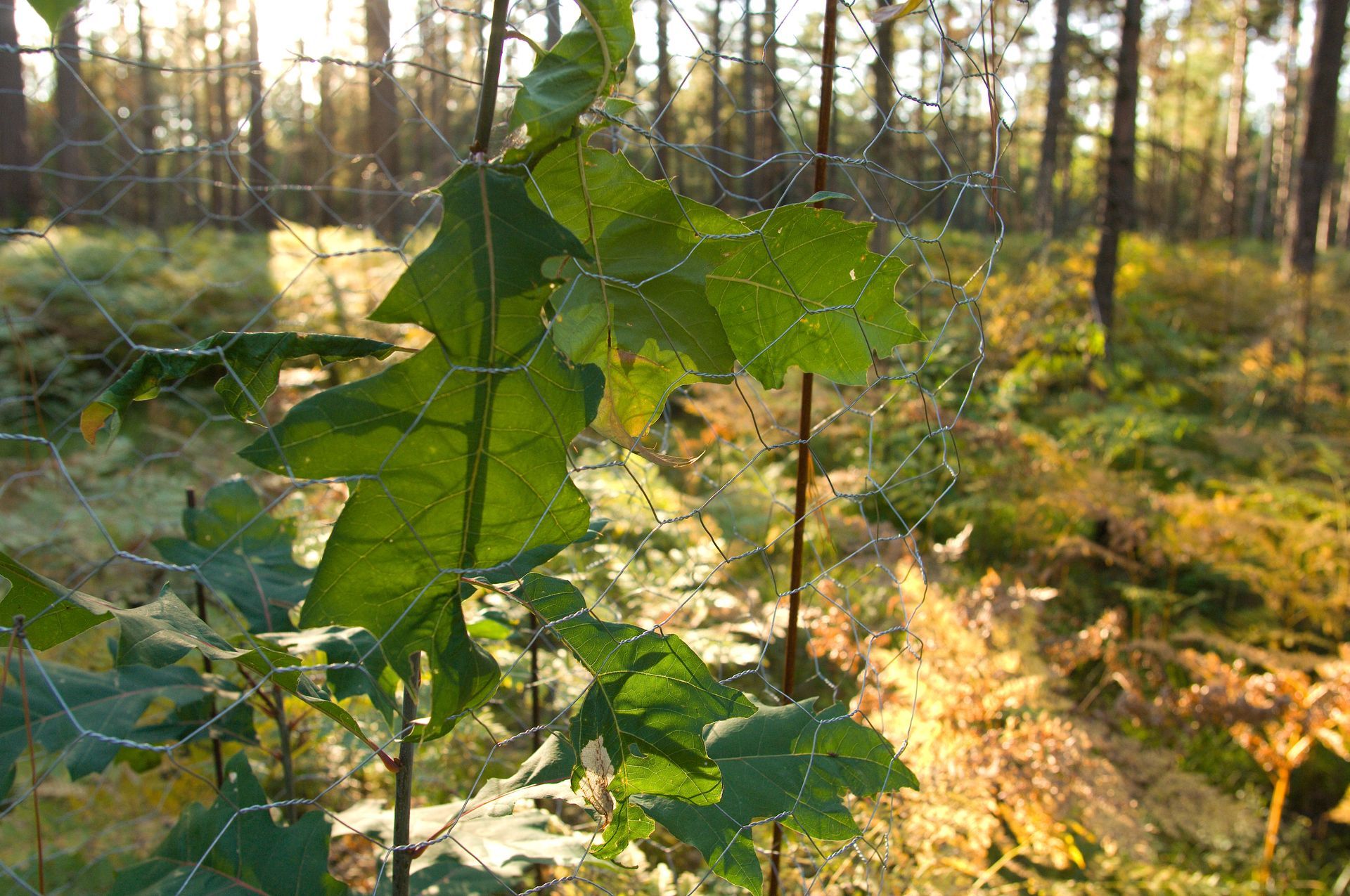
Oaks are a critical tree species for wildlife in Michigan as they provide food, cover, and long-term habitat in forests, field edges, and public lands. Both red oaks and white oaks are native to Michigan, but there are differences in management between the species, making an impact on conservation and hunting success. The growth patterns are important to understand when planning for land management due to variation in growth, acorn production (mast), and wildlife use.
More Posts