On the Ground: Clean Up at Yates Park

Olivia Triltsch • April 23, 2026

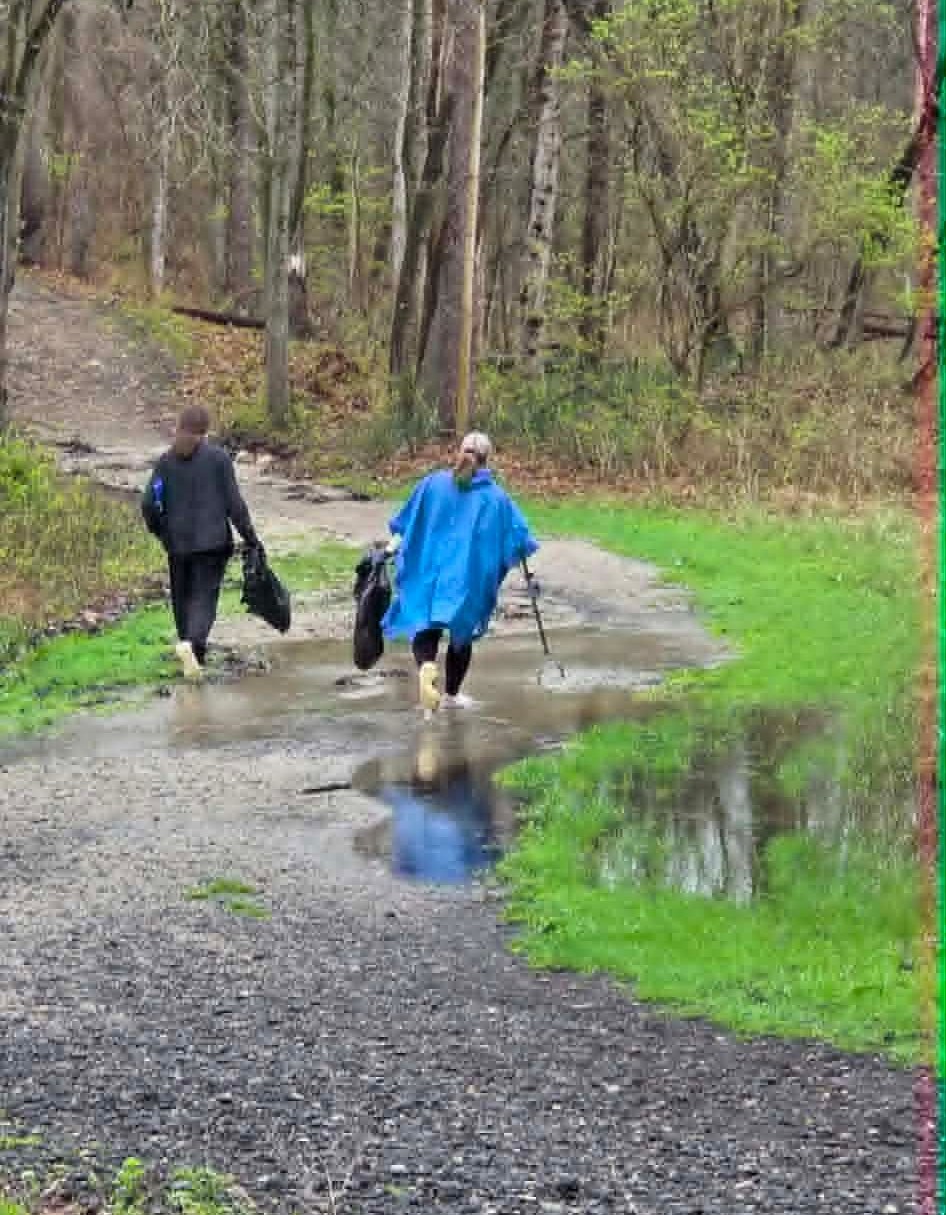
On Saturday, April 18, 2026, MUCC’s OTG program partnered with the Clinton River Watershed Council and Metro-West Steelheaders to host the annual Clinton River clean-up at Yates Park. Volunteers removed about 270 pounds of trash from the riverbanks and the surrounding watershed. Approximately 80.3 acres of fish and wildlife habitat were directly impacted by this project, in addition to improving local outdoor recreational opportunities. Cleaning up the watershed is critical for ensuring safe drinking water, safe recreation, and a clean habitat for fish and wildlife alike.   

Why is it Important?

River cleanups benefit the entire watershed by removing foreign materials that can travel downstream, impacting connected lakes and wetlands. These projects along rivers and across the terrain can clean up the pollutants before they enter into our Great Lakes, making recreation and habitat enjoyable for all. Additionally, projects like this raise awareness about conservation, encouraging responsible stewardship while connecting with the local community. 

Litter cleanups are commonly held year-round, but there is a focus on this type of habitat enhancement around Earth Day, April 22nd. River cleanups are common as riverbanks typically accumulate trash due to things like extreme rain and wind. This pollution can harm the fisheries as well as other species like waterfowl due to entanglement and blockages. Utilizing volunteers to remove the waste prevents further degradation and restores healthier conditions for fish, amphibians, and invertebrates while improving water quality. 


In addition to improving the overall environmental quality, there are also benefits seen by those who take part in recreation along waterways like hiking, biking, kayaking, or fishing. Removing hazards can make the area safer and create quality recreation opportunities while attracting more appreciation from the outdoor community. 
Learn More

MUCC would like to thank Clinton River Watershed Council, Metrowest Steelheaders, Michigan DNR, and all the volunteers who contributed their time and effort to this project. Their work will have lasting benefits for fish and wildlife moving through this urban area, especially cleaning up after the recent flooding, which displaced more litter into the area. If you are interested in volunteering at future OTG habitat improvement events, visit our On the Ground page to view upcoming opportunities and learn how you can get involved in conservation projects across Michigan on public land. We work to conserve and enhance habitat by hosting volunteer workdays throughout the state in coordination with recommendations by DNR Biologists. Common habitat projects include invasive species removal, wood duck boxes, river cleanups, tree plantings, and more. All ages are welcome, so bring a friend or two if you’d like! Registration details and more can be found on our website at mucc.org/on-the-ground.   

Recent Posts

By Olivia Triltsch April 16, 2026
MUCC’s On the Ground (OTG) will be in the northern lower peninsula in late spring to improve habitat for wildlife. Volunteers are needed on Saturday, April 25th, from 8 AM to 12 PM and Saturday, May 3rd, from 9 AM to 2 PM to plant trees across Crawford County. These projects will take place rain or shine, except in the event of severe weather, so please dress accordingly. All registered volunteers will receive lunch and a free appreciation gift for their efforts.
By Olivia Triltsch April 9, 2026
Oaks are a critical tree species for wildlife in Michigan as they provide food, cover, and long-term habitat in forests, field edges, and public lands. Both red oaks and white oaks are native to Michigan, but there are differences in management between the species, making an impact on conservation and hunting success. The growth patterns are important to understand when planning for land management due to variation in growth, acorn production (mast), and wildlife use.
By Olivia Triltsch April 2, 2026
Volunteers Enhancing a Rare Ecosystem
More Posts