On the Ground: Brush Piles and Grassland Enhancement in the Traverse City FMU
Volunteers Enhancing a Rare Ecosystem
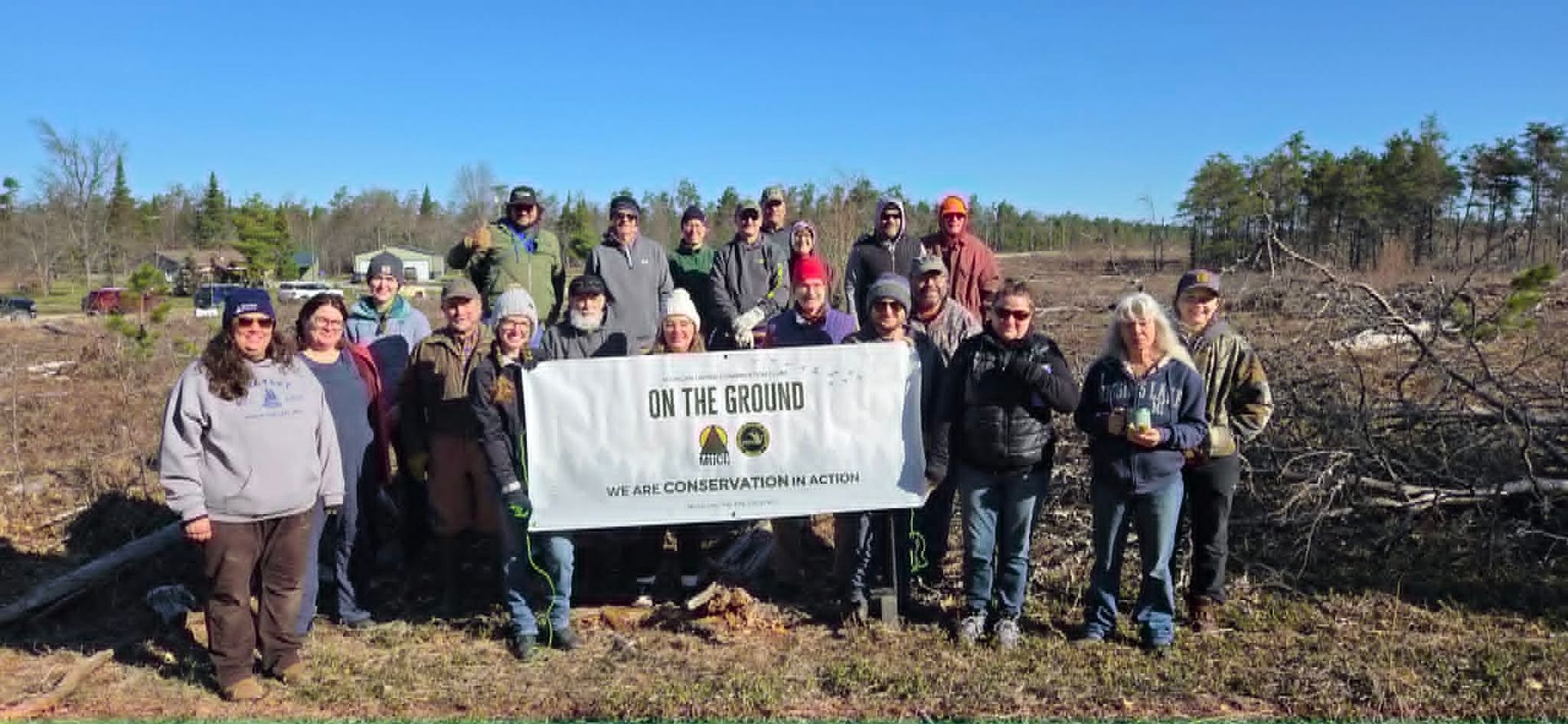
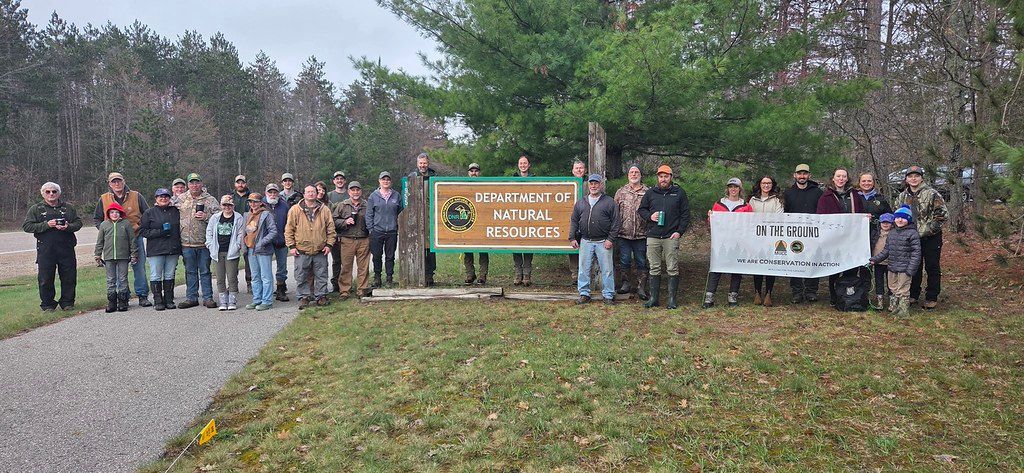
On Saturday, March 28, 2026, Michigan United Conservation Clubs’ (MUCC) On the Ground (OTG) program partnered with Land Ethics LLC and the Michigan Department of Natural Resources (DNR) to host 15 volunteers for a brush pile building event. The project took place in an area being actively managed as part of a larger oak grassland restoration effort.
Throughout the day, volunteers worked to remove encroaching cherry trees and construct brush piles across the site. These efforts are a key step in restoring open grassland habitat, helping prevent fast-growing, woody species, like cherry, from overtaking areas intended to support native grasses and forbs. Although cherry trees are native to Michigan, their regeneration can outcompete desirable species such as oak seedlings, reducing overall diversity. The wood that was cut was used to construct brush piles or 'rabbitat' across the grassland to enhance habitat for wildlife. In total, volunteers directly improved 64 acres of wildlife habitat through their work.
Why is it Important?
Brush piles provide valuable cover and structure for a variety of wildlife species. Rabbits and other small game rely on them for protection from predators and harsh weather, while snakes and ground-nesting birds use them for shelter and nesting opportunities. These areas also create hunting opportunities for predators such as foxes and birds of prey, contributing to a more balanced and functional ecosystem.
Oak grasslands are one of Michigan’s most important and rare ecosystems, supporting a diverse mix of grasses, wildflowers, and scattered oak trees that create ideal conditions for wildlife. Historically maintained by fire and natural disturbance, these open landscapes provide critical habitat for species like deer, wild turkey, rabbits, pollinators, and ground-nesting birds that depend on early successional cover. In Michigan, the lack of fire and expansion of woody vegetation have caused many of these habitats to decline, making active management essential to their restoration. Maintaining oak and pine grasslands not only improves biodiversity but also enhances hunting opportunities and strengthens the overall health of the landscape by promoting native plant communities and resilient ecosystems.
Projects like this demonstrate the importance of active habitat management and the role volunteers play in conservation across Michigan. By maintaining early successional habitats like grasslands, conservation partners are supporting species that depend on open landscapes—many of which have declined due to habitat loss and natural succession.
Learn More
MUCC would like to thank Land Ethics LLC, the Michigan DNR, and all of the volunteers who contributed their time and effort to this project. Their work will have lasting benefits for wildlife and the continued restoration of this grassland complex. Want to participate in one of our habitat enhancement projects? If you are interested in volunteering at future OTG habitat improvement events, visit mucc.org/on-the-ground to view upcoming opportunities and learn how you can get involved in conservation projects across Michigan. We work to conserve and enhance public lands by hosting volunteer workdays throughout the state geared toward habitat improvement. Common habitat projects include invasive species removal, wood duck boxes, river cleanups, tree plantings, and more. All ages are welcome, so bring a friend or two if you’d like! Registration details and more can be found on our website at mucc.org/on-the-ground.
Recent Posts