White Oaks vs Red Oaks: Why Does It Matter?
Oaks are a critical tree species for wildlife in Michigan as they provide food, cover, and long-term habitat in forests, field edges, and public lands. Both red oaks and white oaks are native to Michigan, but there are differences in management between the species, making an impact on conservation and hunting success. The growth patterns are important to understand when planning for land management due to variation in growth, acorn production (mast), and wildlife use.
History
Within Michigan’s forests, oak and hickory have historically dominated the southern and central portions of the state. Historically, Michigan ecosystems were dependent on natural disturbances like fire in the landscape, where fire helped maintain open and diverse woodlands where oak had evolved. As fire suppression and land use increased, these natural systems were limited in the landscape, making oak regeneration more difficult. Today, MSU Extension recommends maintaining a combination of prescribed burns and oak forest management to ensure future generations of these trees continue to support native wildlife.
Characteristics
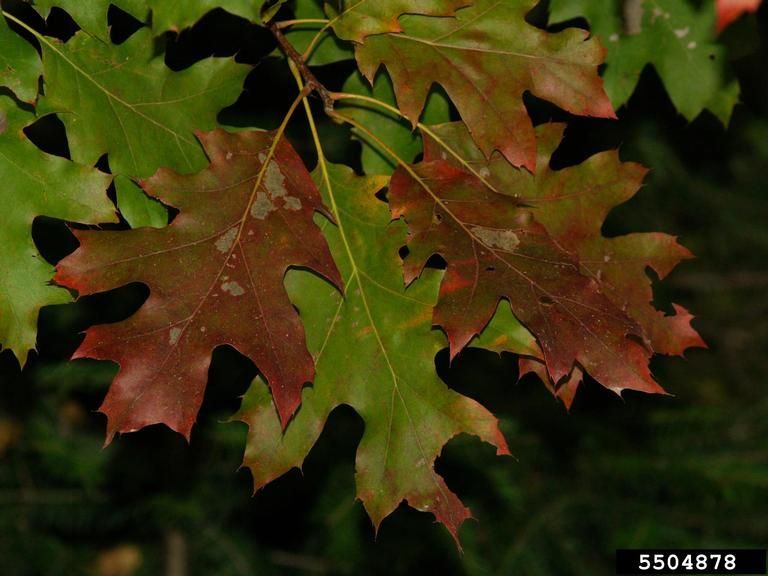
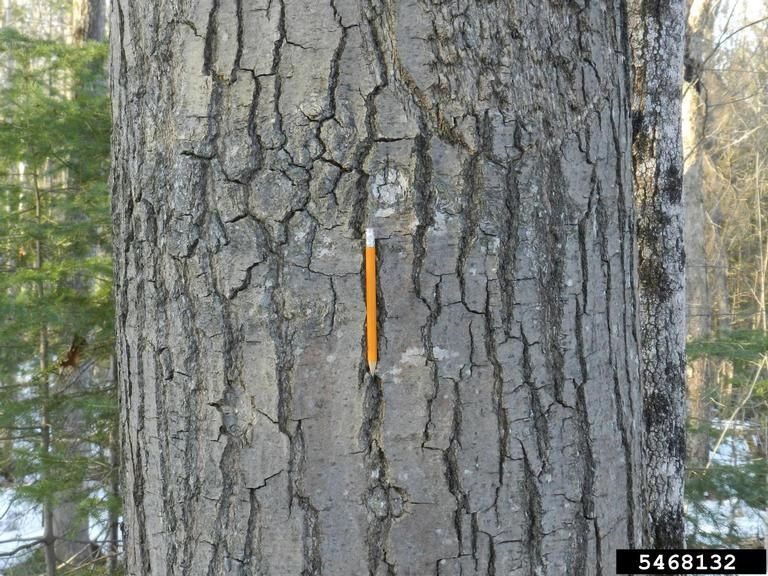
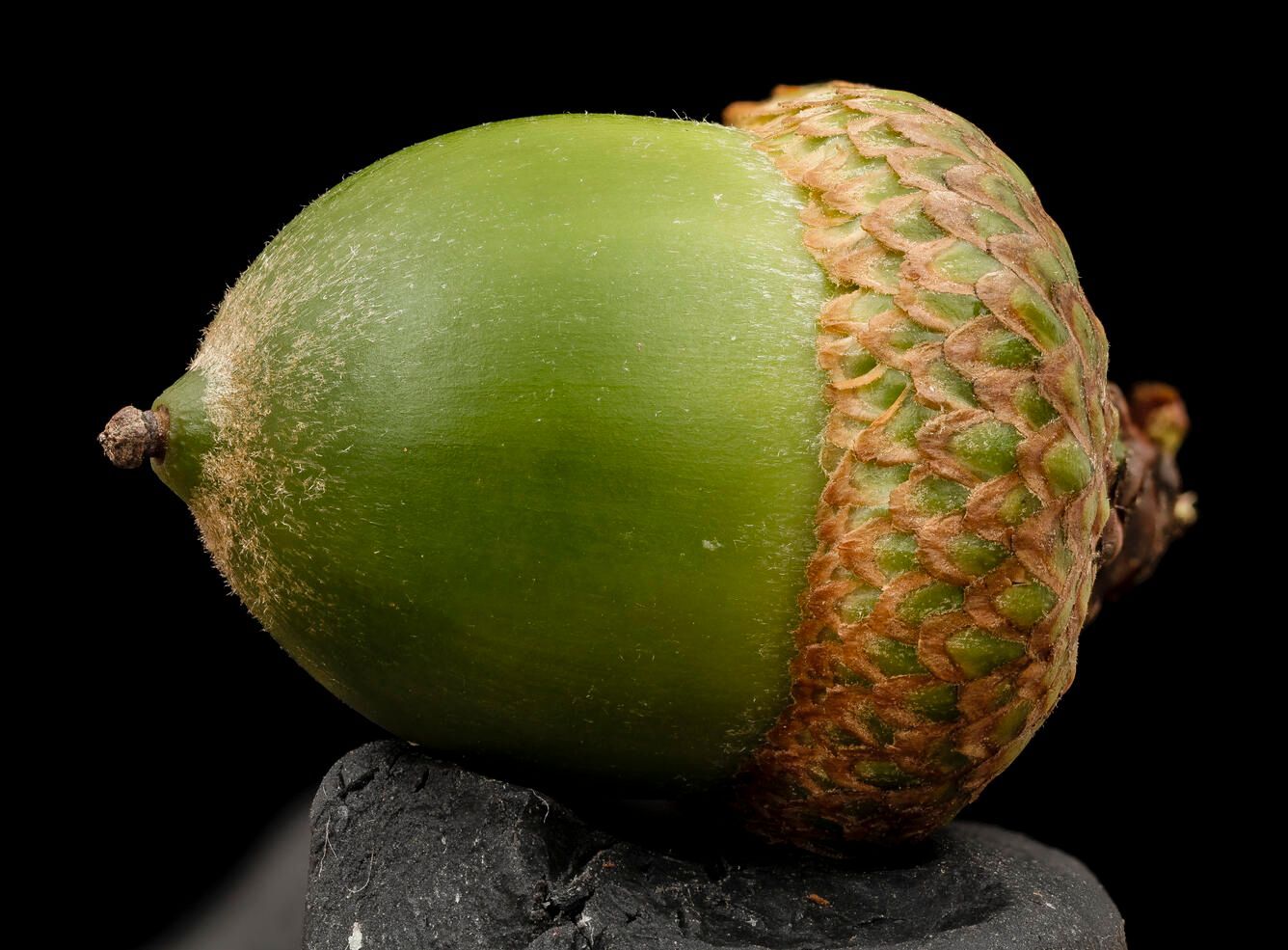
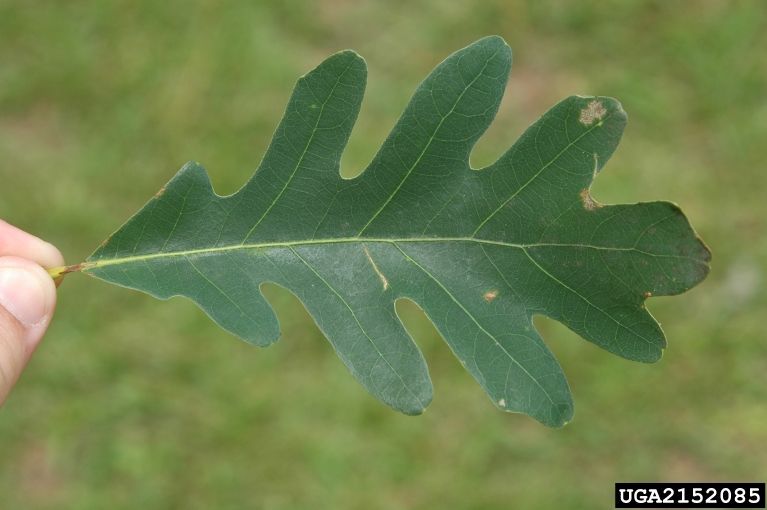
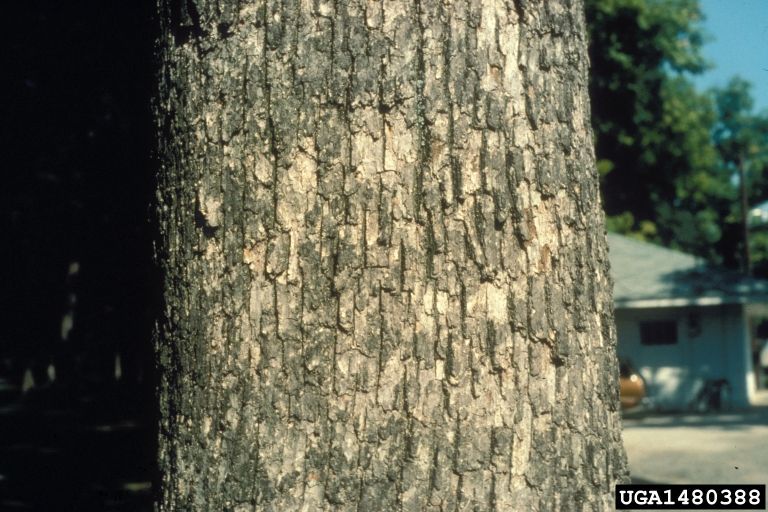
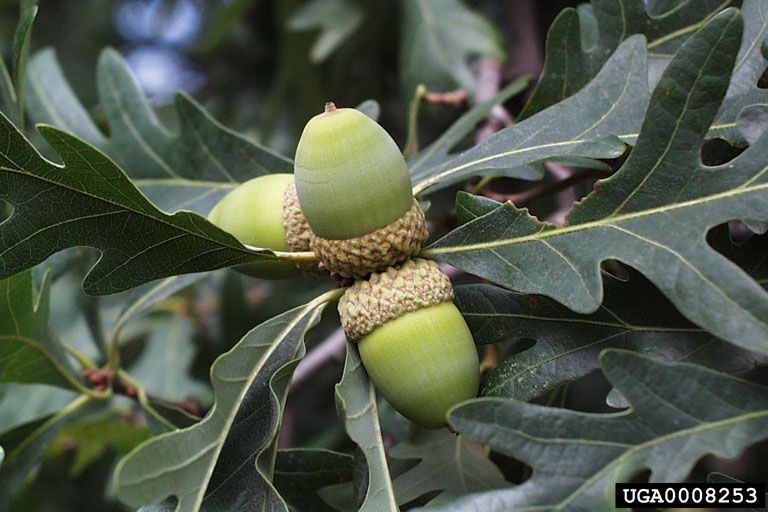
White oaks and red oaks can be distinguished by their leaves, bark, and acorns. White oak leaves have rounded lobes, while red oak leaves are pointed, as described in DNR education materials. If the leaves are not available, another identifiable feature for classification is the acorns that are produced. White oak acorns can typically mature within a single growing season and tend to be larger with a smoother cap. Red oak acorns can take two growing seasons to reach maturity and are found to be more bitter because of the higher tannin levels. Additionally, the bark can be a key identifier available throughout all seasons. White oak trees have a lighter, gray bark with a flaky appearance, while red oaks are darker with ridges forming vertically. Species identification for trees is important for hunters searching for species reliant on mast production for food.
Status
Both white and red oaks are commonly found throughout Michigan, but regeneration challenges are a growing concern. The dense canopies found in the lack of natural disturbances like fire cause issues for species like white oak, which struggle to regenerate under dense canopies due to the limited sunlight, according to MSU Extension. However, red oaks are better suited to regenerate under a wider range of conditions, making them more resilient in the changing landscape of modern forests. In contrast, both of these tree species receive pressure from deer browsing, invasive species, and changing forest composition. Maintaining a healthy mix of oak species is important for long-term forest diversity and wildlife habitat across the state.
Conservation
From a habitat perspective, both oak species are valuable to maintain in the landscape as the acorns are a critical food source for deer, turkey, squirrels, and other wildlife species. White oak acorns, or mast, are generally preferred in early fall due to their lower levels of tannins. Red oak acorns persist into late fall and winter providing more food sources as options become more limited. Management practices for oak includes selective timber harvest, prescribed fire, and controlling competing vegetation to promote oak regeneration. The presence of both species in an ecosystem is important for a consistent food supply for wildlife throughout the changing seasons.
As Michigan transitions from winter into spring, landowners and conservations can evaluate and plan habitat improvements. For hunters, understanding where white and red oaks are located can make a difference for a successful hunting season.
Learn More
Oaks are a cornerstone of Michigan’s wildlife habitat, and learning how to manage them effectively can have lasting benefits for both game and non-game species. Resources from the Michigan Department of Natural Resources provide guidance on tree identification, forest management and oak regeneration.
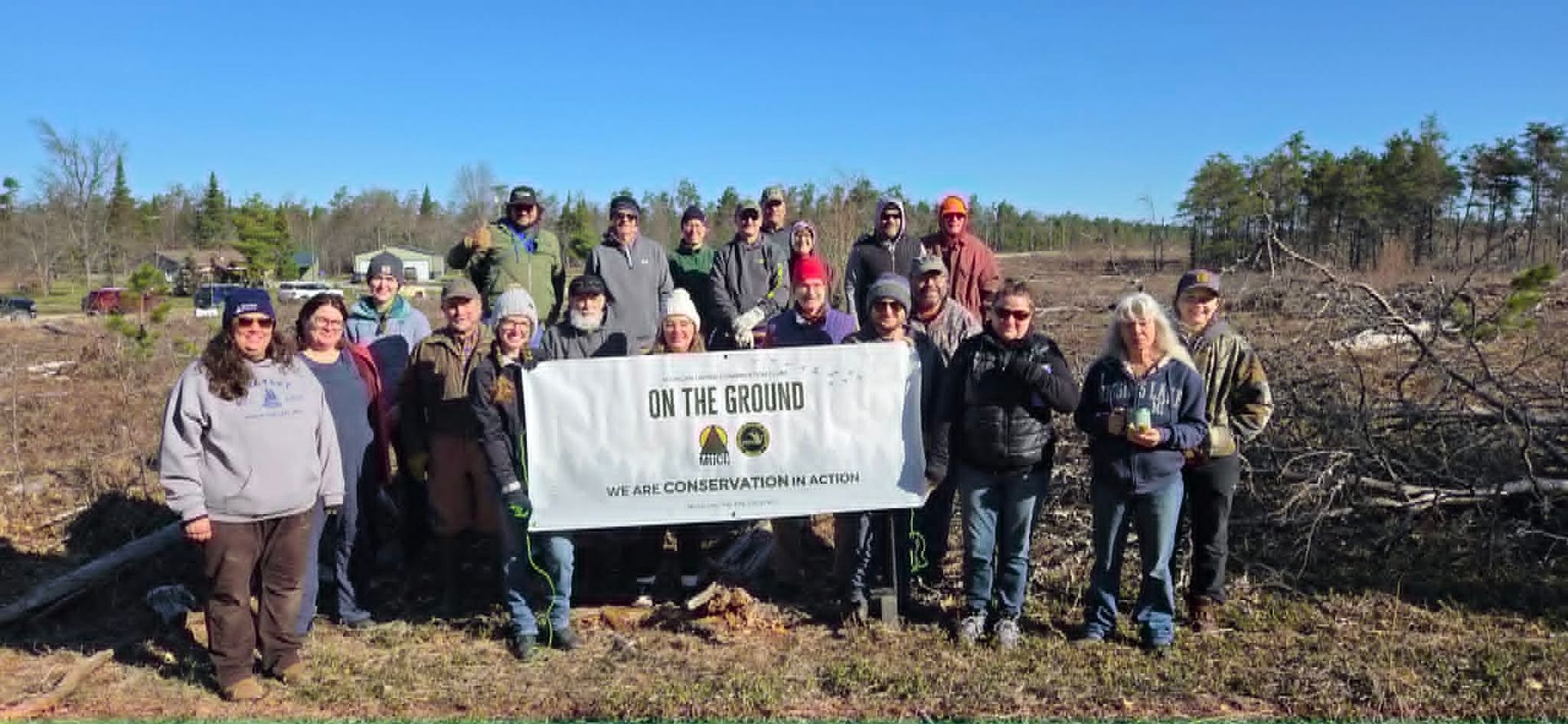
If you’re interested in improving habitat on public land, consider getting involved with Michigan United Conservation Clubs (MUCC). Through its On the Ground program, MUCC hosts volunteer projects focused on habitat restoration, including forest and grassland work that supports oak ecosystems and the wildlife that depend on them. To learn more about upcoming events and how you can get involved, visit our On the Ground website.
Recent Posts