OTG Volunteers Needed: Pigeon River Country State Forest and McMahon Lake Preserve
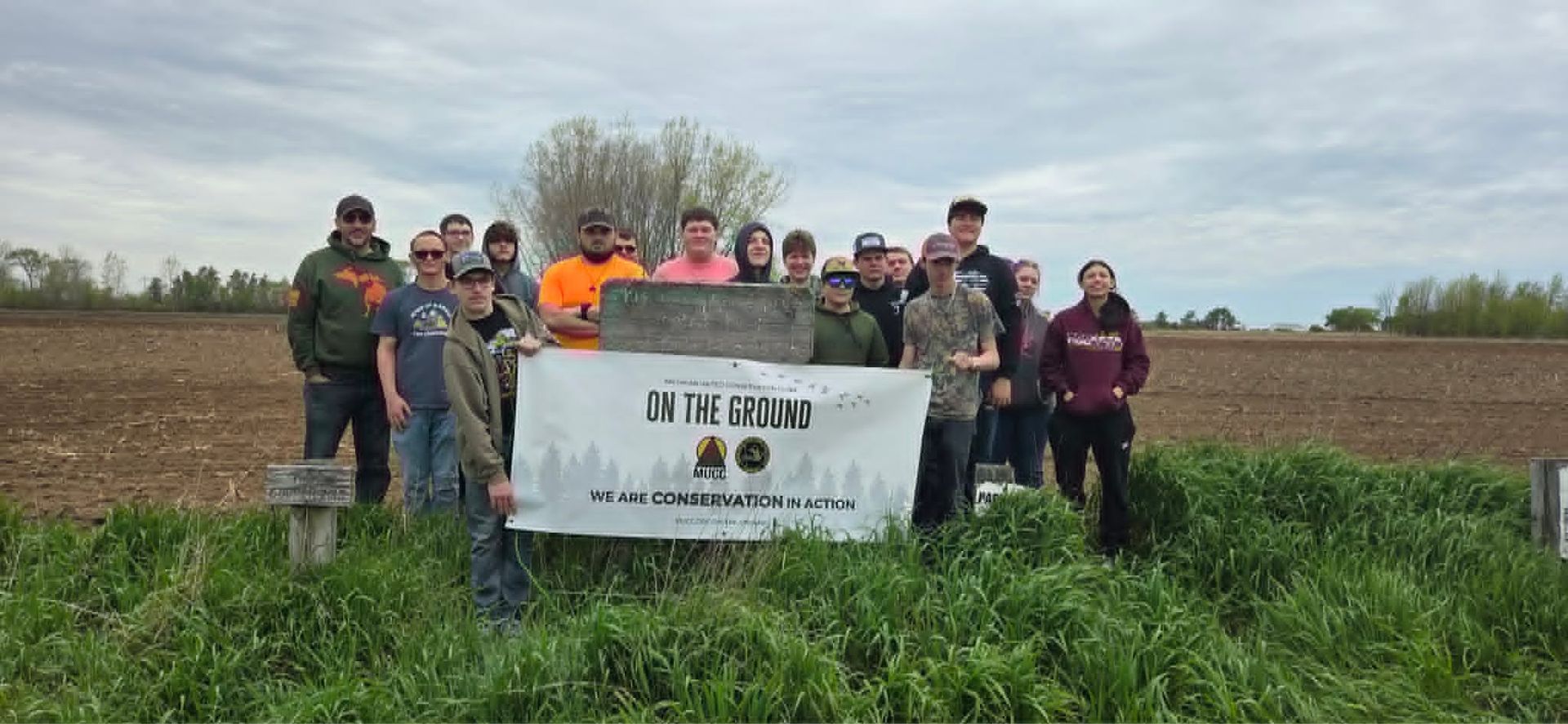
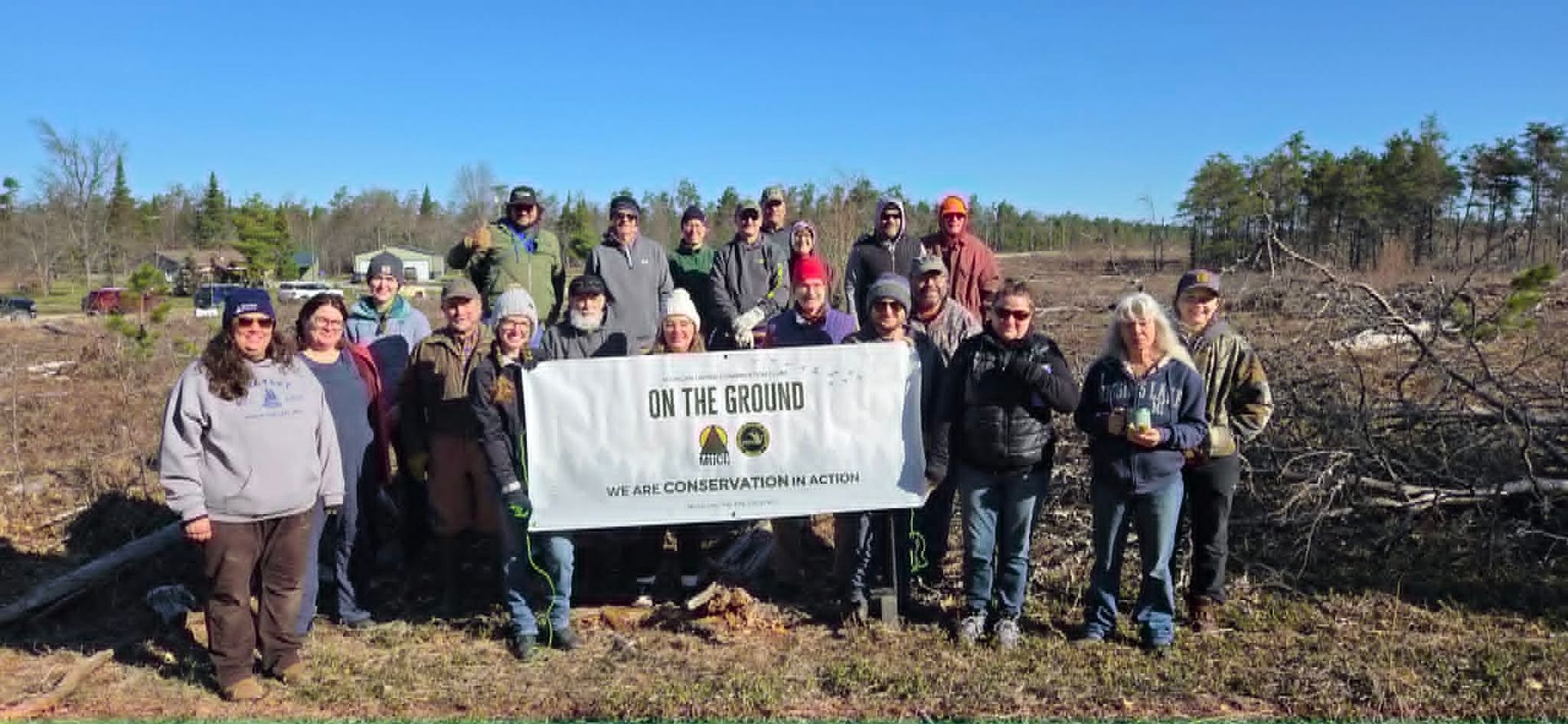
MUCC will be On The Ground in Pigeon River Country State Forest and Pine Stump Junction this September to improve elk and bat habitats. Volunteers are needed on Saturday, September 6th, from 9 am to 12 pm to remove elk exclosures, and on Saturday, September 20th, from 9 am to 12 pm to install bat homes. Please dress in accordance with the weather conditions. All registered volunteers will receive free lunch and a volunteer appreciation gift.
September 6th: Pigeon River Country State Forest Elk Exclosure Removal
About the event
Join us On the Ground at Pigeon River Country State Forest in collaboration with the Rocky Mountain Elk Foundation (RMEF) and the Michigan Department of Natural Resources (MDNR). Volunteers will work together to remove elk exclosures, which are designed to prevent elk from accessing and impacting vegetation within the area. Volunteers will meet at the DNR headquarters at 9966 Twin Lakes Rd., Vanderbilt. Volunteers should expect to be outside for a minimum of three hours from 9 am to 12 pm. Any necessary equipment, including work gloves and trash bags, will be provided. Register HERE for this project.
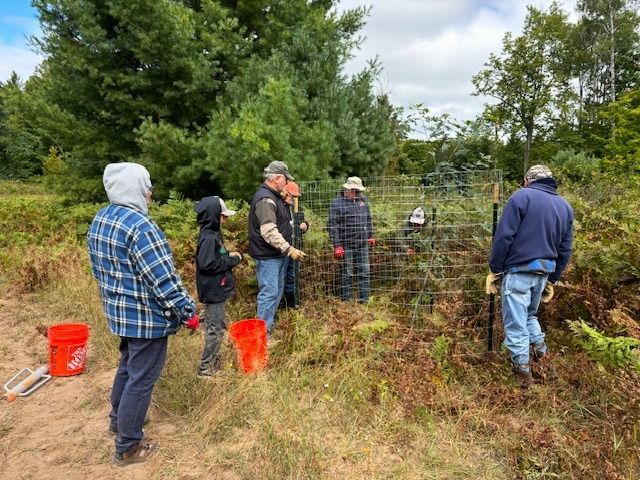
Why are elk exclosures important?
Elk exclosures are fenced areas specifically designed to prevent elk and other large herbivores from accessing certain sections of land. They serve to protect specific vegetation or ecosystems from overbrowsing.
By keeping elk out, researchers and land managers can observe how plant communities develop without the influence of elk grazing, offering valuable insight into the natural regeneration processes of forests, grasslands, or wetlands. Join MUCC in managing local habitats by volunteering today!
New Title
About the event
MUCC’s On the Ground program will be partnering with The Nature Conservancy at McMahon Lake Preserve to build bat boxes. Volunteers will meet at the entrance to the preserve on Deer Park Rd, just south of Dawson Creek Trail. Weather and work-appropriate attire is encouraged. Volunteers should expect to be outside for a minimum of three hours from 9 am to 12 pm, with lunch provided for registered volunteers. Register HERE for this event.
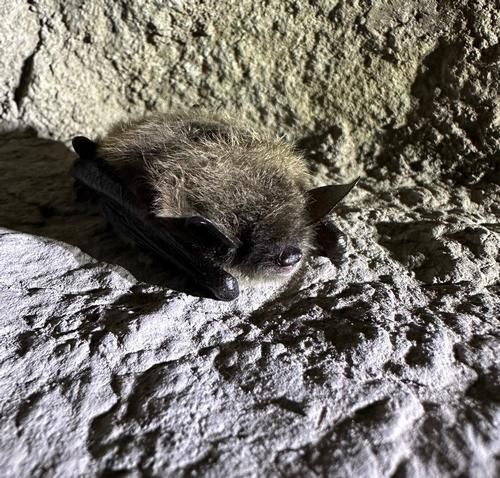
Why bat boxes are important
Bat boxes are artificial habitats designed to mimic a bat's natural environment, such as caves and tree cavities. They are designed to provide shelter for bats in areas where it is more difficult to find.
Bats are a keystone species, meaning they are integral to the balance of their ecosystems. Michigan is home to nine different bat species, and all of these species are insectivores. An insectivore's diet consists of only insects, including disease-carrying pests like mosquitoes. Join MUCC in supporting local bat populations by volunteering today!
Learn More
These projects are funded in part by the National Wildlife Federation (NWF) and private donations. If you are interested in learning more about the habitat work MUCC does, visit our On the Ground (OTG) webpage for information about the program and upcoming events across the state. OTG works alongside land managers and biologists to enhance wildlife habitat through clean-ups, native plantings, invasive species removal, brush piles, and wildlife homes. This is a great opportunity to get involved in the outdoors and give back to the areas you recreate in alongside like-minded individuals.
Recent Posts