Volunteer with OTG at Gourdneck State Game Area
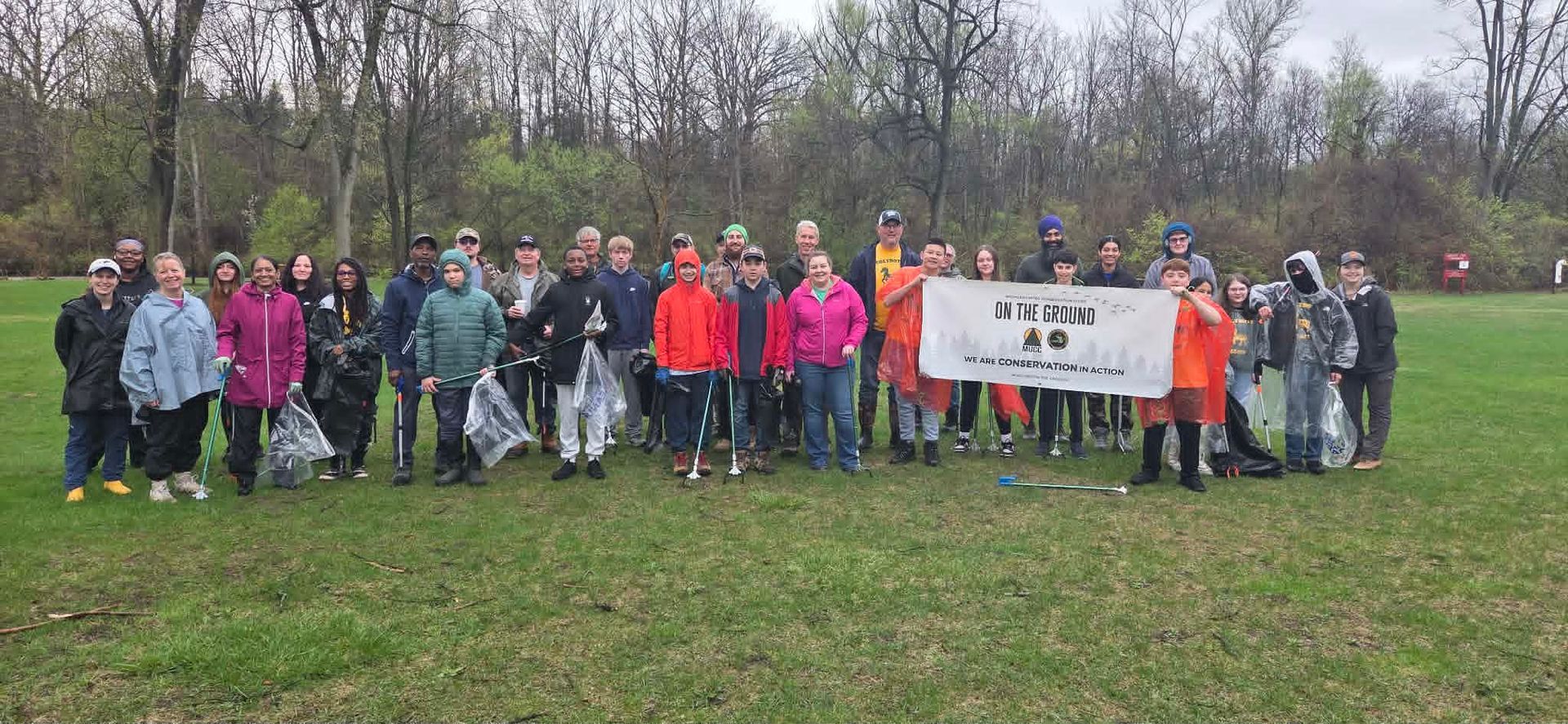
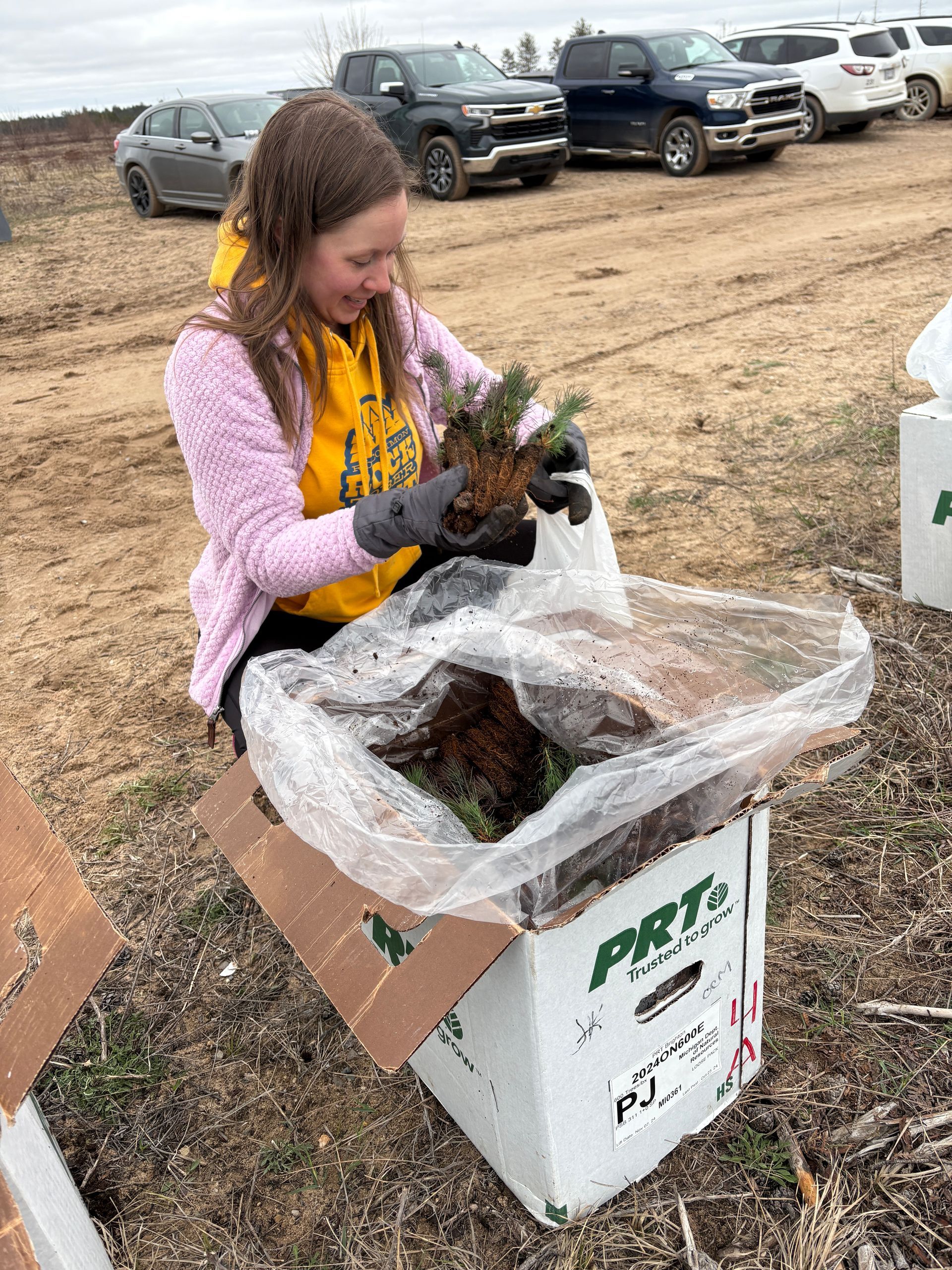
Join MUCC’s On the Ground program and the Kalamazoo Conservation District on Saturday, March 26, 2022, as we improve habitat for small game at the Gourdneck State Game Area. Volunteers will assist with bucking and limbing downed trees and stacking brush into piles. These brush piles will enhance habitat for wildlife such as woodcock, ruffed grouse, and rabbits and hares.
Volunteers are asked to bring their own work gloves. Volunteers are also invited to bring their own chainsaws for limbing and bucking trees for brush piles, but this is not mandatory. MUCC will have a limited number of chainsaws available for use by volunteers who are experienced and able to use them. A majority of the volunteer work will involve building the brush piles by stacking limbs and logs.
Exact volunteer parking and meeting location within the Gourdneck SGA TBD. Free lunch and an OTG volunteer t-shirt or carabiner mug are provided for all registered volunteers.
Please contact MUCC Habitat Volunteer Coordinator Kristina Kennedy at kkennedy@mucc.org with questions regarding this event or the OTG program.
The post Volunteer with OTG at Gourdneck State Game Area appeared first on Michigan United Conservation Clubs.
Recent Posts