Seeing Green? Invasive Bush Honeysuckle is the Culprit
As we transition into late fall and the end of regular firearm season, many sportsmen and women have been spending a lot of time in the woods looking for that nice buck. Now that most if not all the leaves are on the ground, there is good visibility throughout the woods which makes getting a good shot much easier. However, there are some plants that still have green leaves and seeing green this time of year isn’t normal. This green can be easily spotted from roadways and other areas and is the result of an invasive species taking over the environment. The green comes from a set of invasive shrubs known collectively as bush honeysuckles.
Bush Honeysuckle Identification
According to the Michigan Department of Natural Resources (DNR), an invasive species is one that is not native (not naturally found in Michigan) and whose introduction causes harm or is likely to cause harm to the economy, environment, or human health. Bush honeysuckle fits this definition perfectly. These shrubs consist of three separate species of honeysuckle: Amur (L. maackii), Tatarian (L. tartarica), Bell’s (L. xbella), and Morrow’s (L. morrowii). While these species are all distinct, they have very similar characteristics between one another. These characteristics include:
- Woody growth with broad ridges and grooves that can reach up to 14 feet in height
- Hollow stems with a white or tan/brown color in the middle
- Opposite leaf arrangement
- Small pink or white flowers present from May - June
- Red or orange berries present in late summer through winter
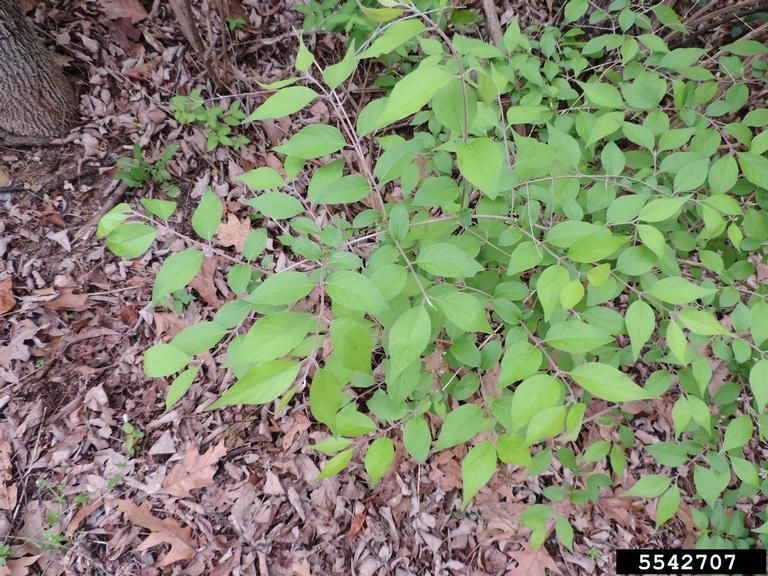
Bush honeysuckle can also sometimes be confused with the native American fly honeysuckle (L. canadensis). One important distinction between the native vs. invasive honeysuckles is the hollow stem in the center. When checking for a native or invasive species, simply clip off a section of the stem and observe: the native honeysuckle will NOT have a hollow stem, whereas the invasive varieties will.
Impacts on the Landscape
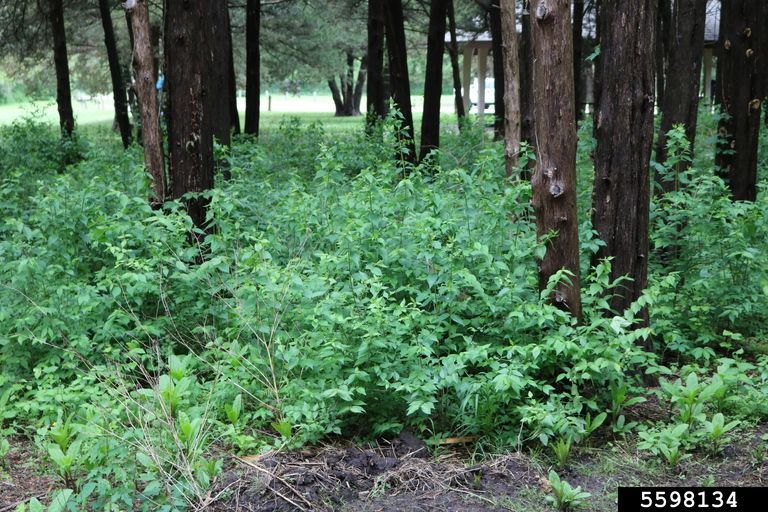
Bush honeysuckle is one of the first plants to leaf out in the spring and one of the last to drop its leaves in the fall. Hence, it can be seen very easily in late fall and spring when most of the trees do not have leaves. It can also thrive in a variety of soil and light conditions and will do well in sun to full shade. Bush honeysuckle grows rapidly and aggressively in very dense thickets, choking out native plants and hindering their ability to grow. It can be a huge detriment to reforestation in areas that have been recently cut or disturbed from activities such as logging. Additionally, bush honeysuckle produces large numbers of seeds that are consumed and dispersed by many birds, contributing to its spread across the state. An article from the Invasive Species Centre also suggests that these berries have little to no nutritional value for birds and other wildlife.
Control Methods
There are several different ways to control this invasive species. Methods used are up to the discretion of the landowner and are based on the size of the infestation and the landowner’s comfort level with treatment. The two most common methods used for bush honeysuckle are mechanical control and chemical control.
Mechanical Control
Mechanical or manual control involves either hand-pulling individual plants or using a saw or loppers to cut stems. Cutting or mowing can also be effective, however it must be done during early summer when food reserves are at their lowest. Another form of manual control for large infestations involves using heavy equipment like a skid steer or tractor with a brush clearing attachment.
Mechanical control must be completed multiple times a year for several years for it to be effective. Small honeysuckle shrubs will continue popping up from the ground because of the large number of seeds that they produce, so landowners must be vigilant in keeping up control efforts. Mechanical control alone is often not enough to control an infestation because cutting shrubs off at the base will often cause more stems to sprout. Combining mechanical and chemical control methods can be very effective when trying to control bush honeysuckle.
Chemical Control
Chemical control includes using chemicals called herbicides that will kill the plants. Herbicides can be used several different ways depending on the size of the plant and the infestation. Landowners can use foliar spray, where a diluted version of the herbicide is sprayed directly on the leaves of the plant using a backpack sprayer or other equipment. Another method called basal bark spraying involves using a diluted mixture of herbicide and an oil-based carrier to spray the lower 12-18 inches of the stem. Finally, the “cut stump” method includes cutting the shrub close to the ground and applying herbicide directly onto the cut surface with a spray bottle, sponge, or other device.
For chemical treatments, it is imperative that landowners follow the proper safety protocols and make sure to follow the recommendations stated on the herbicide labels. This is key to ensuring that herbicides are applied properly and safely. Common herbicides recommended for the treatment of bush honeysuckle include glyphosate, triclopyr, and picloram. Consulting the labels for each one will give specific directions on proper use.
Additionally, each chemical control method is most effective during certain times of the year. It is important to do your research and know which control method will work best for you.
Learn More
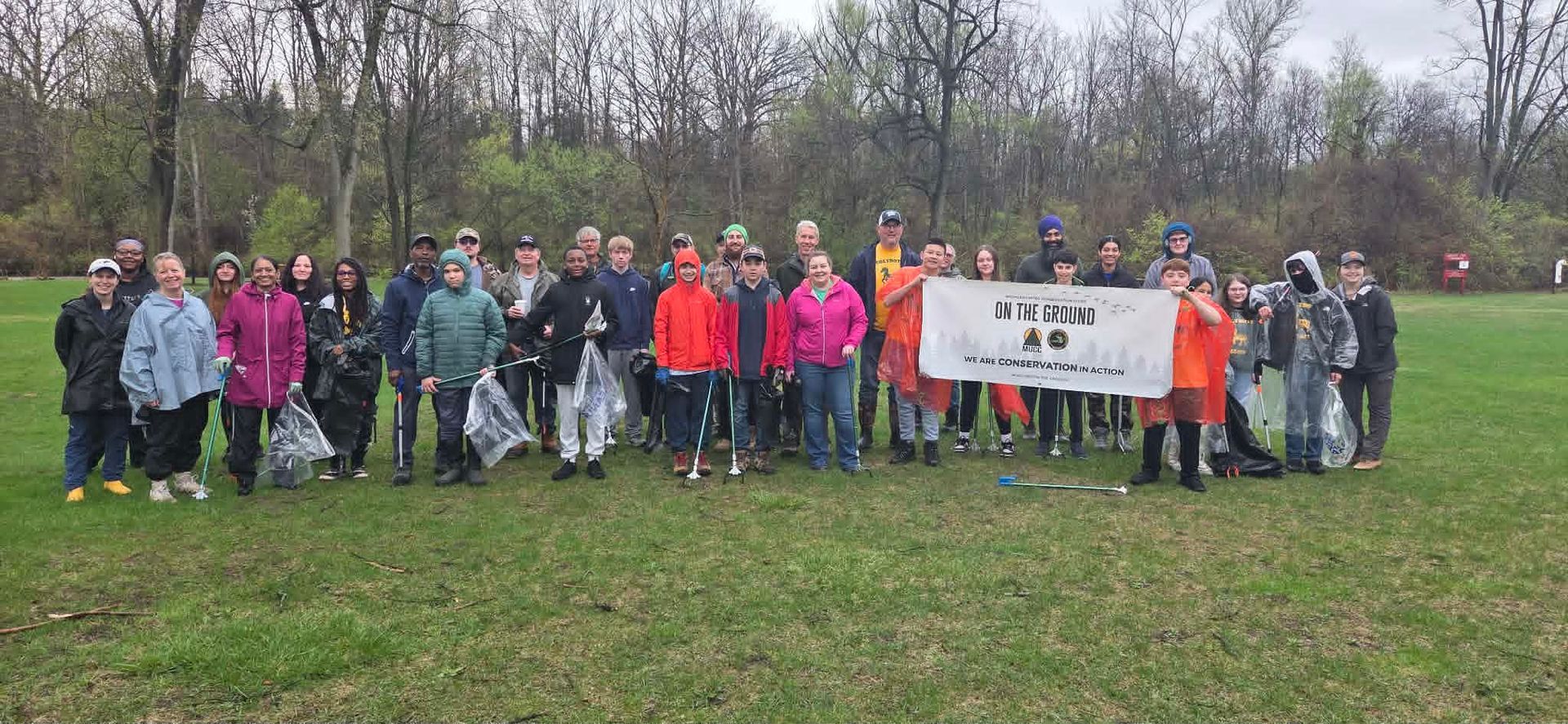
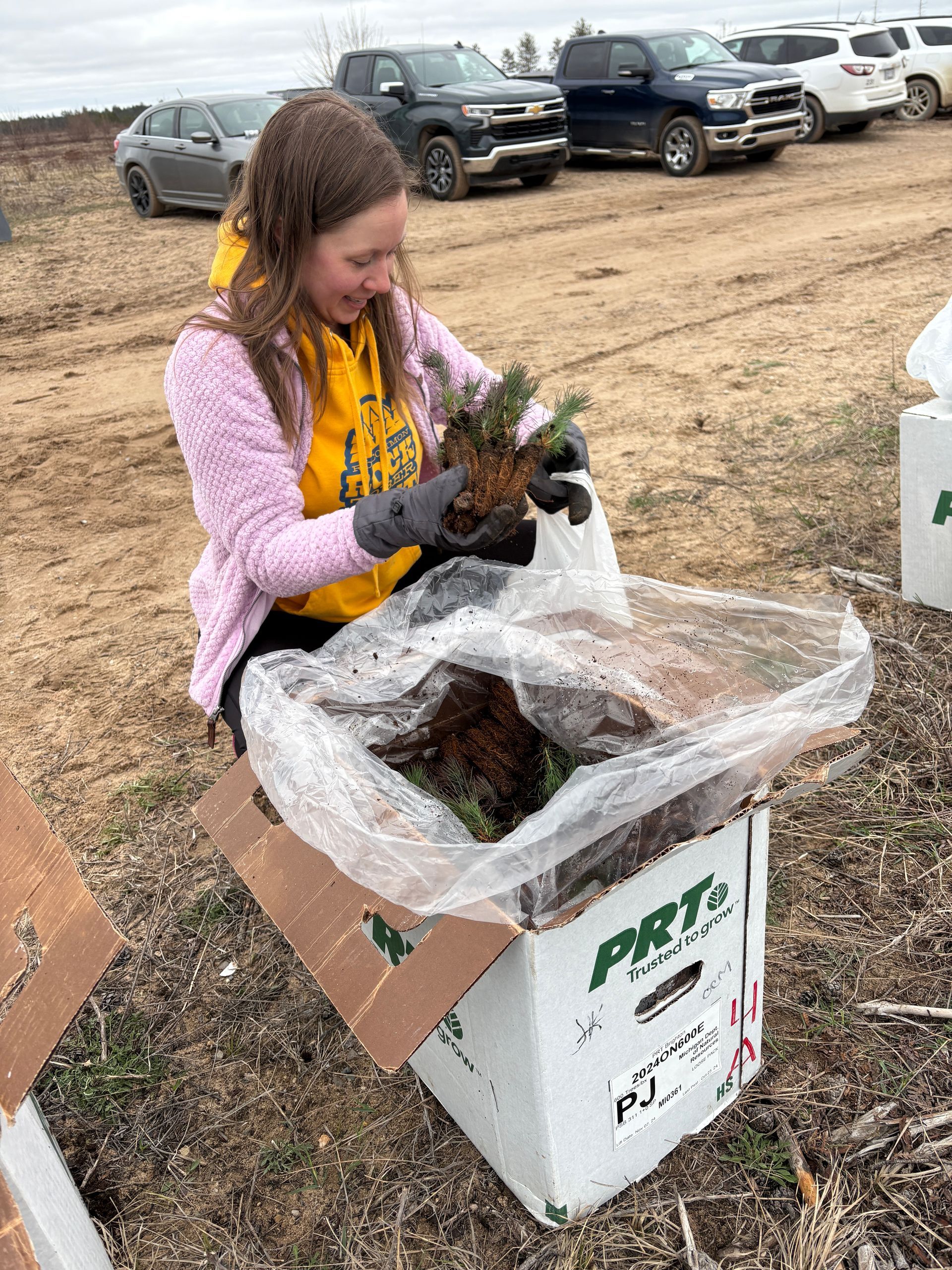
Want to learn how to help directly combat this invasive species on public lands? MUCC’s On the Ground (OTG) program works to conserve and enhance public lands here in Michigan by hosting volunteer workdays geared towards improving fish and wildlife habitat. Common habitat projects include invasive species removal, brush pile building, river cleanups, tree plantings, and more. For more information on how to get involved, visit mucc.org/on-the-ground. We hope to see you at a future invasive species project or other OTG event!
Recent Posts