OTG Program Reaches 3,000 Volunteers
Written by MUCC Habitat Volunteer Coordinator, Makhayla LaButte
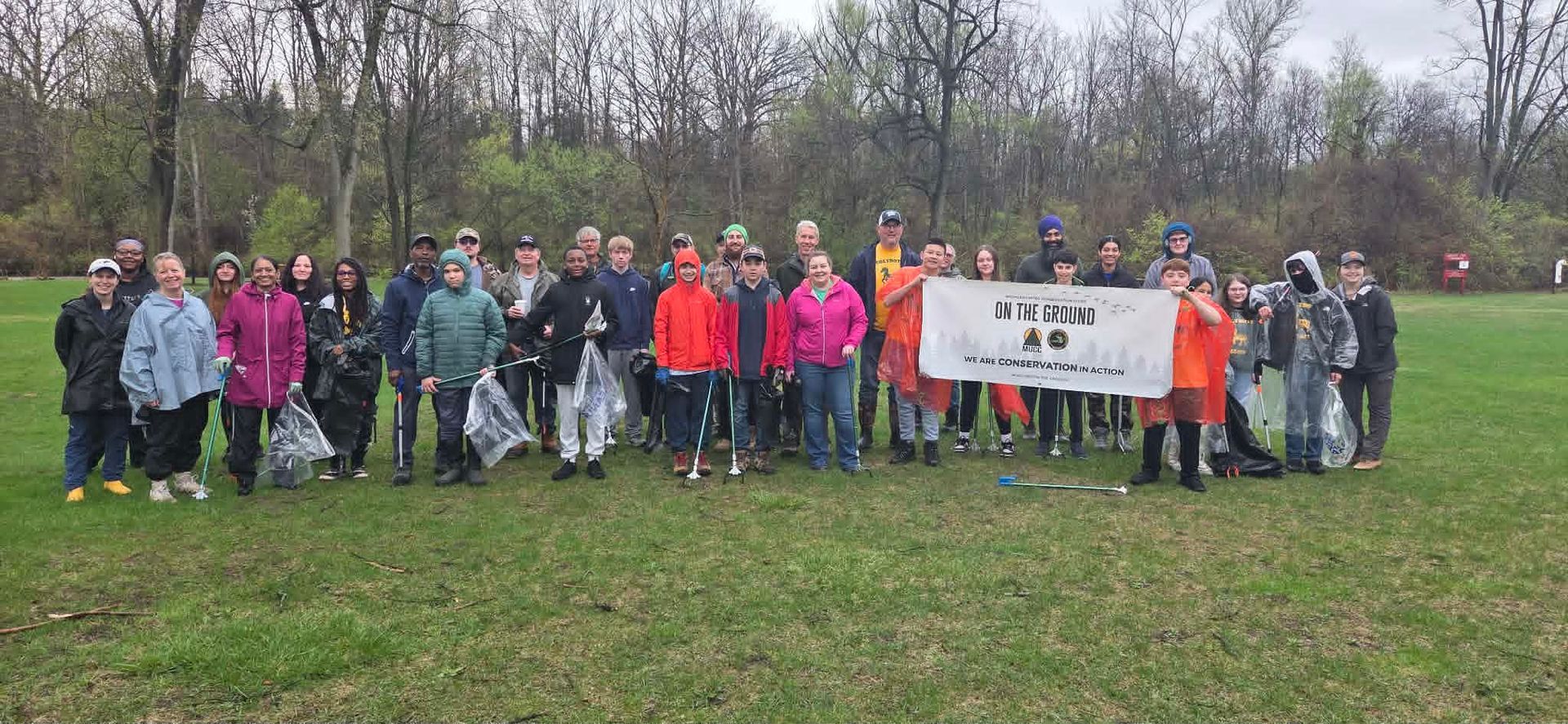
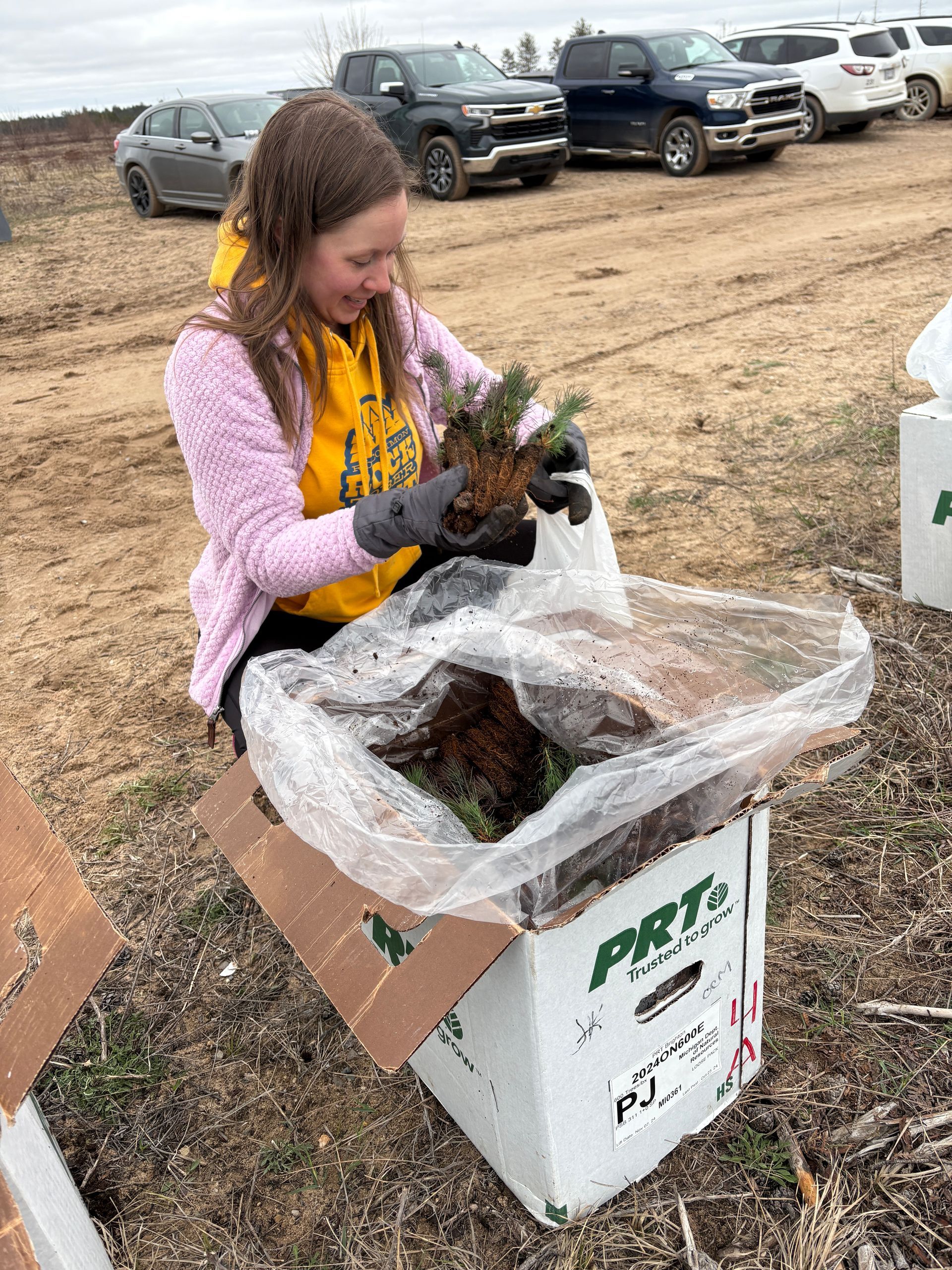
Following an On the Ground (OTG) Jr. event with Morrice Elementary on Wednesday, October 30, the OTG program has reached another volunteer milestone. To date, more than 3,000 volunteers have improved wildlife habitat on public land across the state of Michigan. This milestone comes less than six months after we celebrated our 2,500th volunteer during a native tree-planting project in the Gwinn State Forest in the Upper Peninsula in late May of 2019.
Throughout the summer and fall, the program continued to gain momentum and we completed an additional 12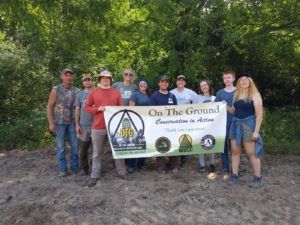 habitat improvement projects across Michigan. As of October, we have entered the 2020 fiscal year and already have four OTG Jr. projects completed with schools across the Lower Peninsula. There are even more OTG and OTG Jr. projects being scheduled for the winter, spring and summer of 2020 where we will be working in both the Upper and Lower Peninsulas.
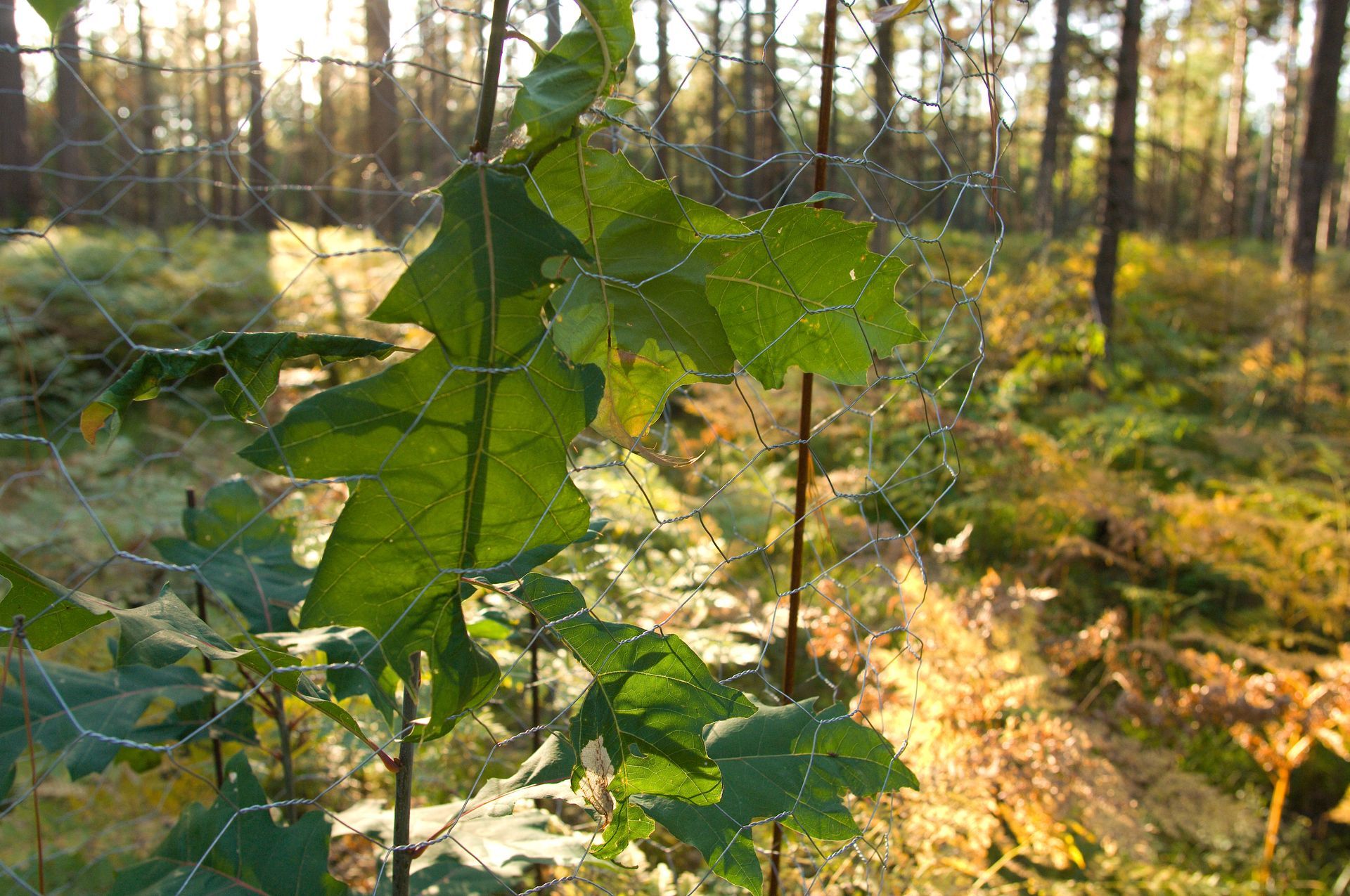
These upcoming projects include wood duck box building and installation, clearing woody brush from dikes, removing invasive species, planting native trees and shrubs and building rabbit habitat (rabbitat). All of the projects completed through this program are designed to immediately improve both game and non-game habitat on public land and improve user-access to the areas. Please watch for email and social media updates from the program for dates and to get involved.
Despite some of the conflicts surrounding our natural resources right now, it is programs like OTG that remind all of us that our goals for our public lands and wildlife are not so different. Every hunter, angler, trapper and a variety of other conservationists that have participated in the OTG program have made it clear through their involvement that they care about the quality and health of Michigan’s wildlife. When asked why they volunteer with the OTG program, a majority of respondents claim that they want to do their part for wildlife conservation in the state or because they are giving back to the resources that they have enjoyed throughout their life. Additionally, other volunteers describe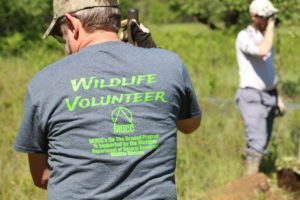 the program as a great opportunity to get outdoors with friends, family and fellow like-minded individuals.
Whatever your reason for getting outside, we encourage you to join us as a new or returning volunteer for OTG projects hosted throughout 2020. Whether you prefer to build and maintain wood duck boxes, plant native trees and shrubs, build rabbitat, remove invasive species or restore grassland habitat, OTG is the program for you.
Thank you to all 3,000 volunteers and our conservation partners who have made OTG so successful! For more information about the OTG and OTG Jr. programs, please reach out to MUCC Habitat Volunteer Coordinator Makhayla LaButte at mlabutte@mucc.org or visit mucc.org/on-the-ground.
The post OTG Program Reaches 3,000 Volunteers appeared first on Michigan United Conservation Clubs.
Recent Posts