On the Ground: Volunteers Planted 100 Mast-Producing Trees in Kalkaska County
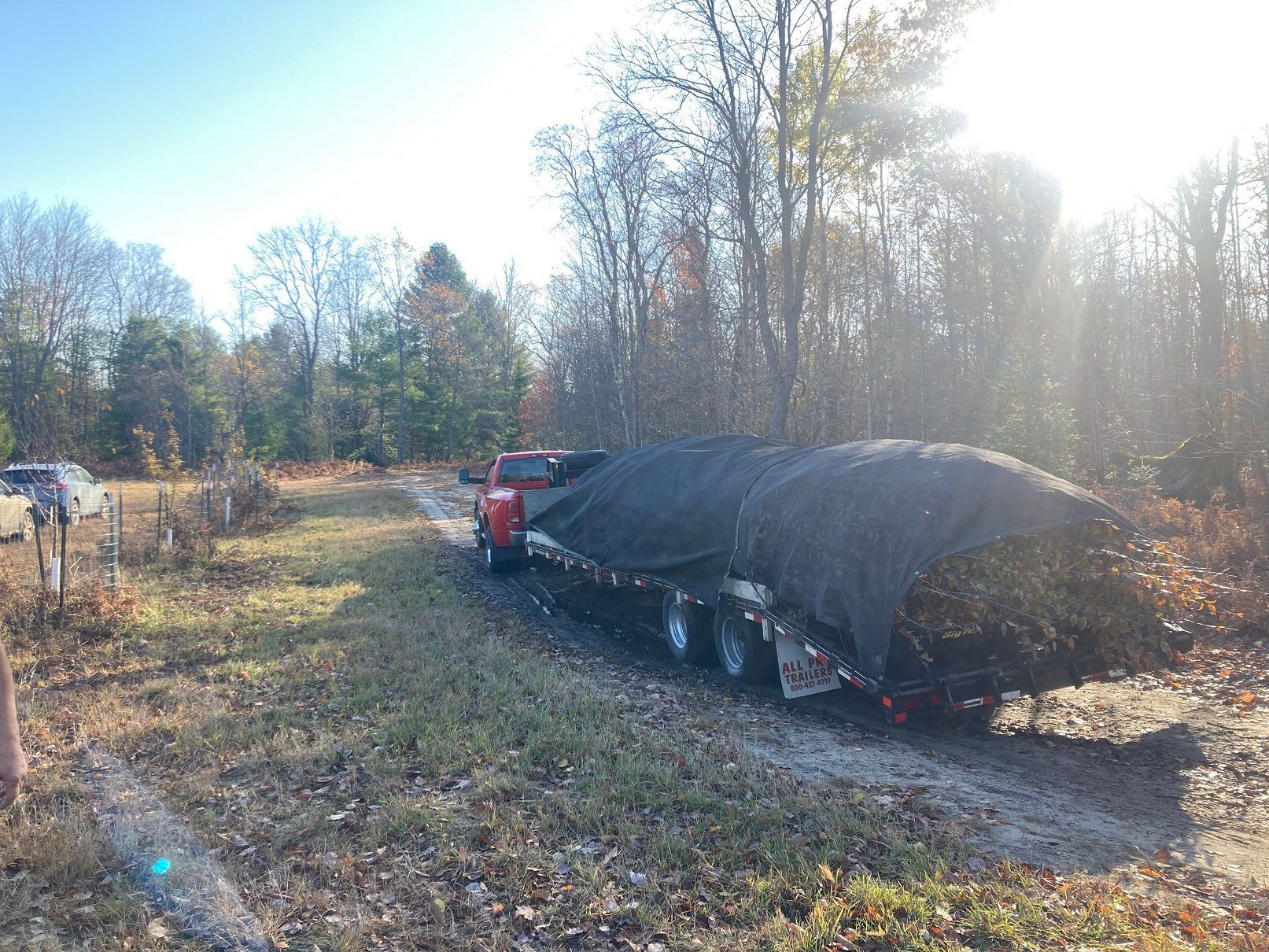
One-hundred mast-producing trees were delivered by a Michigan nursery the morning of the project.
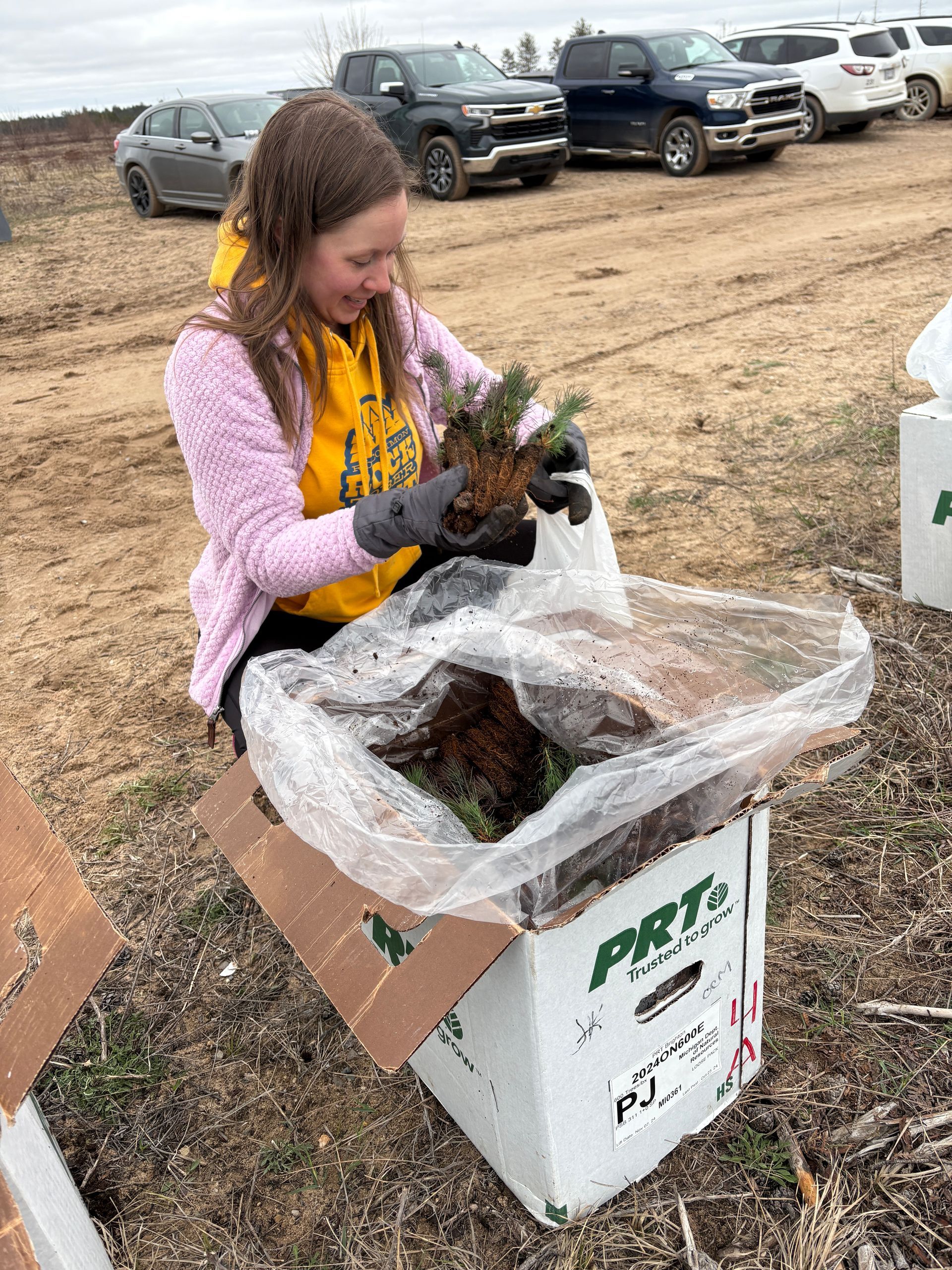
On Saturday, October 22, 2022, we continued our partnership with Gib King of Land Ethic, LCC to once again host volunteers at a mast-producing tree planting and brush pile building event in the Traverse City Forest Management Unit (Kalkaska County). In total, 17 volunteers planted one-hundred 5-6 foot trees including various crabapple, hawthorn, and serviceberry species.
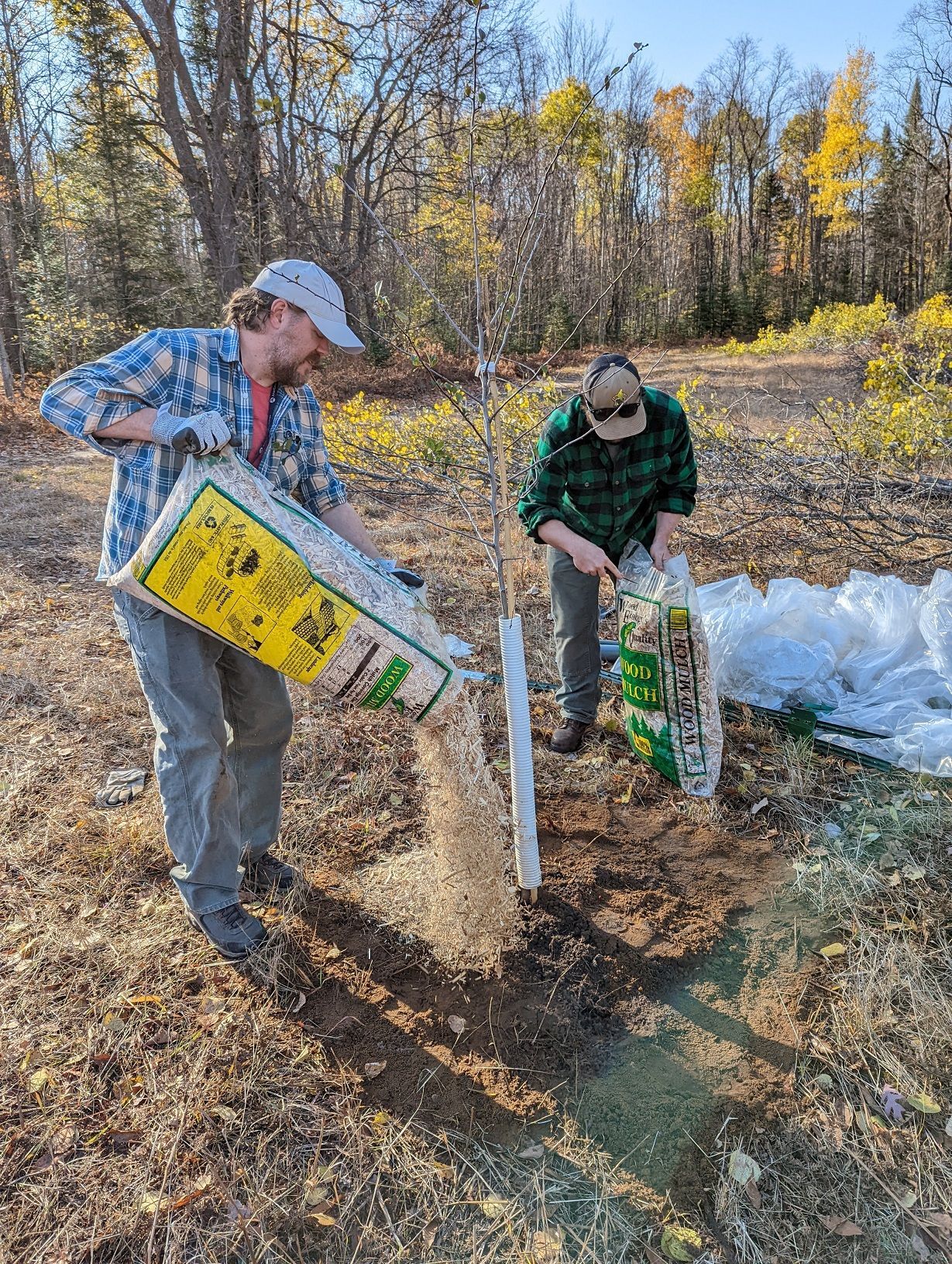
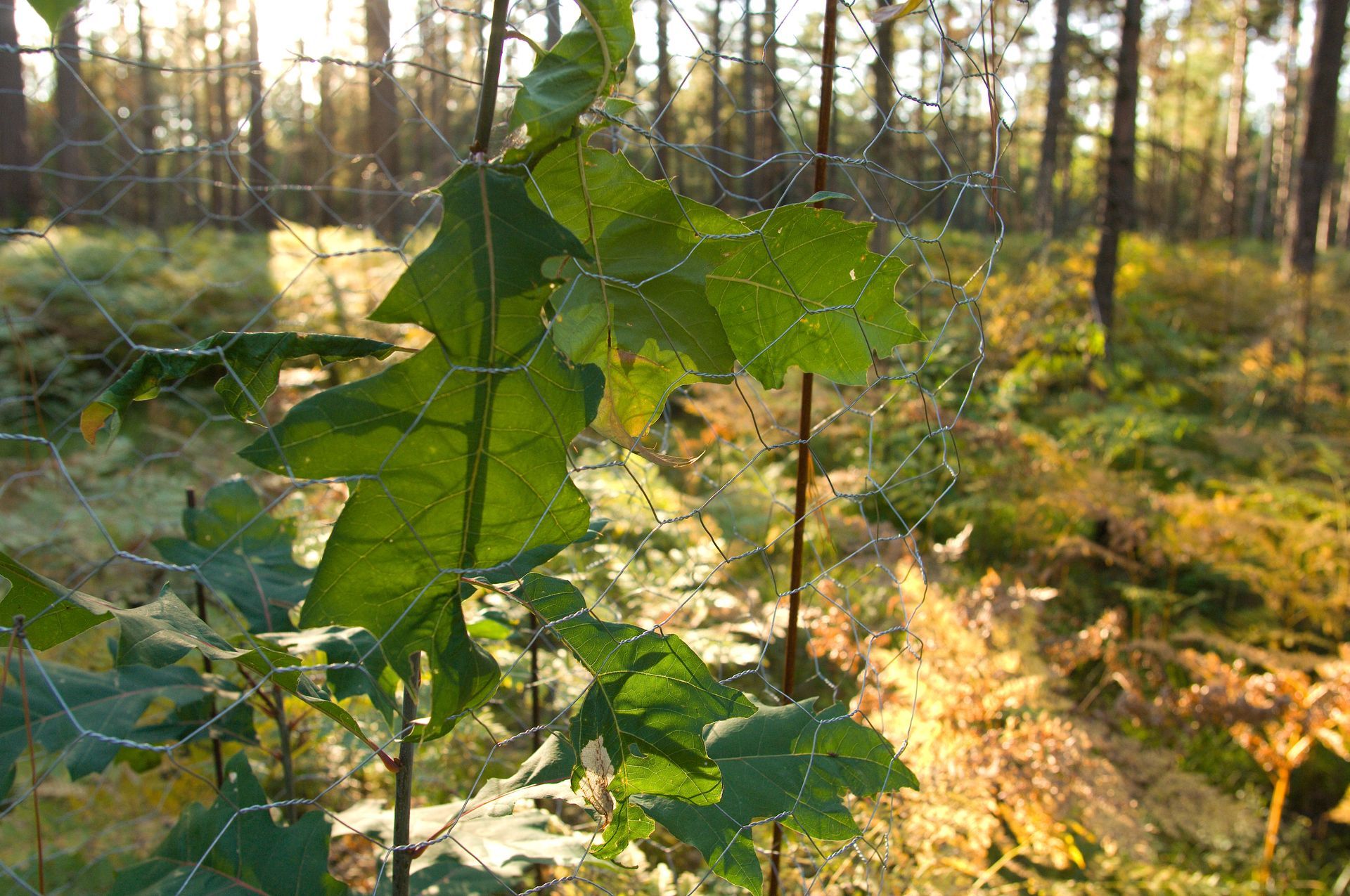
To help the surrounding soil maintain moisture, volunteers spread mulch around each tree. Volunteers also installed fencing around the trees to deter wildlife from browsing on their newly formed buds and branches. Once these trees are established, fencing will be removed and reused.
These masting trees produce fruits, seeds, or nuts that act as an important source of sustenance for a wide variety of Michigan wildlife. Mast is a particularly important component of healthy wildlife habitat in fall and winter when other food sources become scarce and wildlife need to prepare for a long, cold winter. Not only will these trees provide nutrients to wildlife like deer, turkeys and grouse, but they will also serve as year-round cover and nesting habitat for a variety of wildlife like songbirds and small mammals.
Volunteers also constructed a few brush piles using downed limbs, logs and brush around the wildlife opening maintained by the DNR. Brush piles are an excellent addition to forest and grassland habitats because these structures are multifaceted in their benefits to wildlife. They provide small mammals with a safe place to hide from aerial predators like hawks and falcons. They also act as a good habitat for ground nesting species like rabbits and even some reptiles like the common garter snake! If constructed with limbs and branches still containing green vegetation, they can also act as a food source for browsing species like white-tailed deer.
In total, volunteers improved approximately 10 acres of wildlife habitat during this project. Stay tuned for a spring project where we will focus on building more brush piles in this area!
The post On the Ground: Volunteers Planted 100 Mast-Producing Trees in Kalkaska County appeared first on Michigan United Conservation Clubs.
Recent Posts