On the Ground: Urban Tree Planting in Battle Creek

Olivia Triltsch • September 18, 2025

Volunteers Diversify Urban Greenspaces

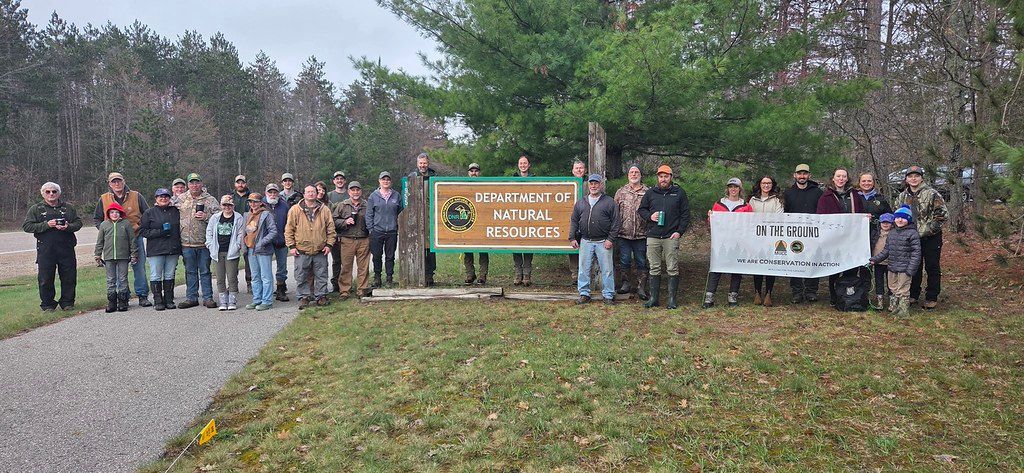
On Saturday, September 13, 2025, a group of 12 volunteers joined Battle Creek Public Works and MUCC's OTG program in planting trees in the city of Battle Creek. Volunteers worked together to plant approximately 110 bur oak and yellow birch saplings within the Jackson and Bedford Linear Park in Calhoun County. These trees were planted in an urban greenspace opening to create an edge near the Kalamazoo River, supporting a diverse range of species. In total, volunteers directly impacted about 0.2 acres of wildlife habitat during the project, despite the weather. 

Why is it Important?

Planting native trees in urban areas is beneficial to the diversity of species. While this can be a simple task, trees play a vital role in both species' diversity and local economies. Urban development can result in habitat fragmentation and loss, creating more human-wildlife conflicts like collisions. When considering what is best to enhance the habitat in question, it is important to consider the locations of food, water, and shelter. Trees can create habitat and provide forage for mammals, birds, reptiles, amphibians, and insects.  


In addition to the benefits provided for wildlife, trees also play a critical role in urban areas by filtering emissions and water while also reducing the risk of becoming a heat island in highly developed areas. Depending on the location, these habitat projects can also aid the economy by bringing in recreationists from birders to hunters. Overall, tree plantings can contribute to more than just habitat enhancement.

Learn More

Want to participate in one of our habitat enhancement projects? Visit our website for more information and a list of upcoming events. We work to conserve and enhance public lands by hosting volunteer workdays throughout the state geared toward habitat improvement. Common habitat projects include invasive species removal, wood duck boxes, river cleanups, tree plantings, and more. All ages are welcome, so bring a friend or two if you’d like! Registration details and more can be found on our website at mucc.org/on-the-ground.   

Recent Posts
By Olivia Triltsch May 7, 2026
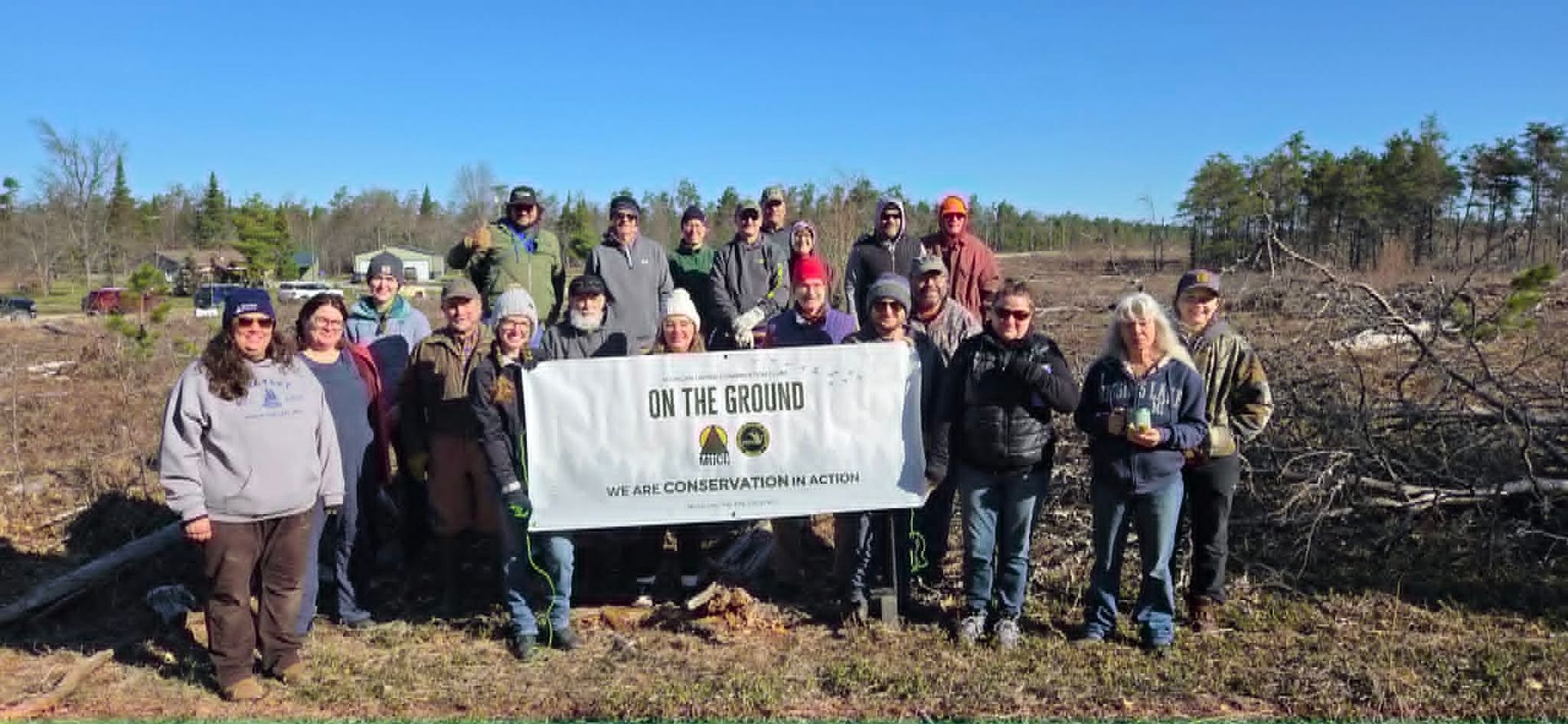
On Saturday, May 2, 2026, a group of dedicated volunteers joined Kirtland's Warbler Alliance, Huron Pines, Saginaw Children’s Zoo, and MUCC's OTG program in planting approximately 4,800 jack pine saplings within the Grayling Forest Management Unit in Crawford County. Jack pines are a critical nesting habitat feature for the once-threatened Kirtland’s warbler. In total, volunteers directly impacted about 7 acres of land were prepared by the Michigan DNR for this planting to allow volunteers to maximize their efforts across the land. This is one of our annual events that is perfect for helpers of all ages and interests.
May 4, 2026
FOR IMMEDIATE RELEASE: Michigan United Conservation Clubs (MUCC) announces its decision to dissolve after nearly 90 years of conservation advocacy, citing ongoing financial challenges and outlining next steps in an orderly wind-down process.
By Olivia Triltsch April 30, 2026
On Saturday, April 25, 2026, MUCC's On the Ground program partnered with the Michigan Department of Natural Resources (DNR), Ruffed Grouse Society, National Wild Turkey Federation, and Backcountry Hunters and Anglers for a crabapple tree planting and dump site clean-up event in the Grayling Forest Management Unit. Volunteers worked as a team to plant, compost, mulch, and fence 25 eight-foot trees at various locations in Crawford County on the public lands to offer forage for wildlife. Many species, like grouse, turkey, and deer, utilize mast-producing trees for food when other resources are not available. These trees were planted along an old logging road for both game and non-game wildlife, while enhancing the local recreational opportunities. Another group of volunteers branched off to remove trash from three dump sites on public land in Kalkaska County, which included couches, mattresses, shingles, and tires. Volunteers filled a 30-yard dumpster with trash found in the landscape in an attempt to keep the environment better than how it was found while improving future recreational opportunities. In total, volunteers directly enhanced 2.1 acres of wildlife habitat through this project.
More Posts