On the Ground: Improving Wildlife Habitat Across Southern Michigan
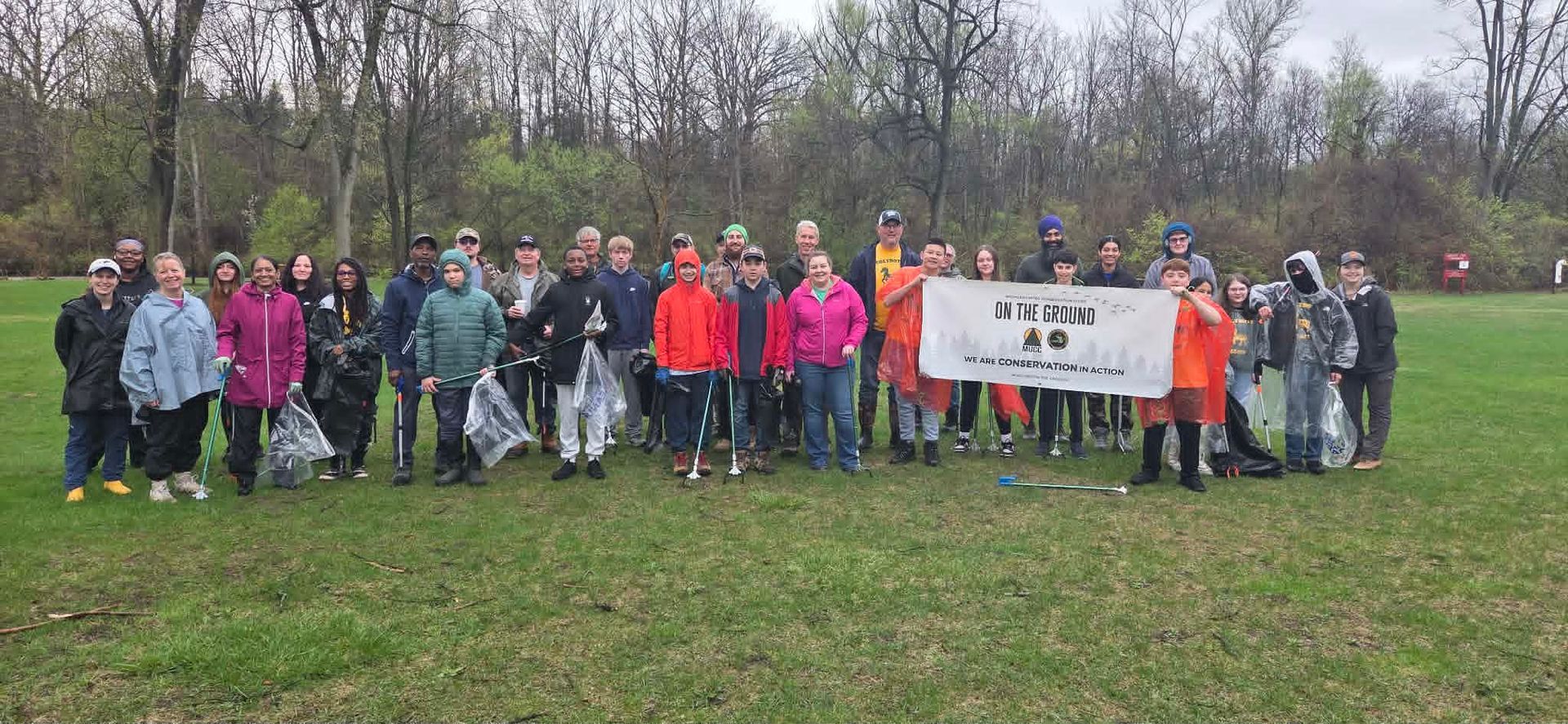
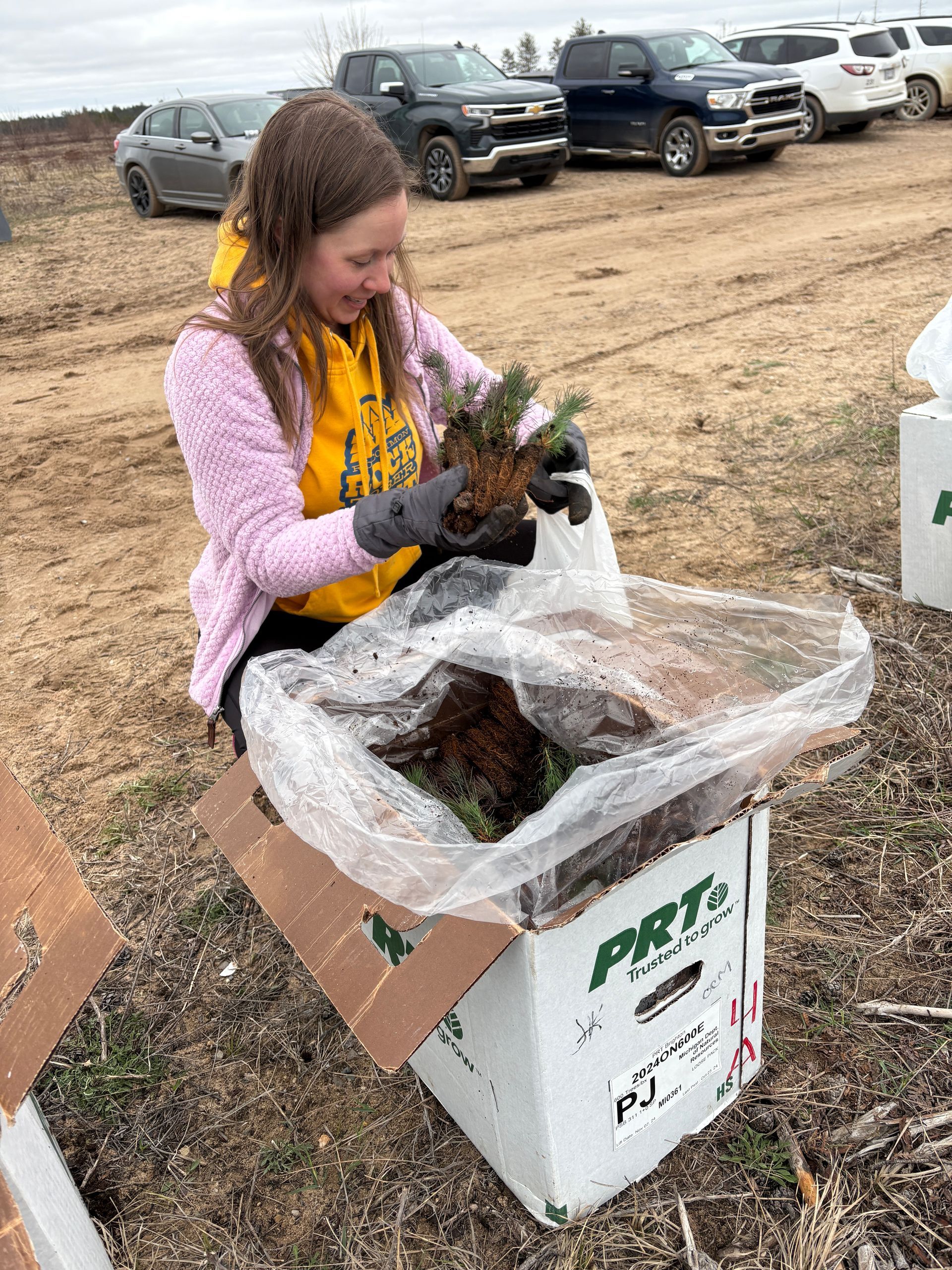
MUCC’s On the Ground (OTG) program had a busy week in Southern Michigan. OTG traveled from the Southeast side in Port Huron to the Southwest side in Portage to host volunteer stewardship projects to improve habitat for wildlife. In a single week, volunteers improved about 20 acres of public land.
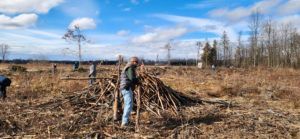
On Friday, February 23, 2024, OTG traveled to the Port Huron State Game Area to partner with the Michigan DNR’s Wildlife Division. 22 volunteers, including 10 from the Michigan Farm Bureau’s Young Farmer program, came together to build brush piles in a managed clear-cut. Forest clear-cuts are a valuable tool for managing habitat for wildlife. By building brush piles in the clear-cut, volunteers removed dense down logs and branches from the ground. This will allow regeneration of trees, which will provide browse for white-tailed deer and habitat for woodcocks. The combination of clearing brush from the ground and building brush piles will provide many benefits to a variety of wildlife.
The second OTG project site of the week was at the Gourdneck State Game Area in Kalamazoo County on Saturday, February 24, 2024. OTG partnered with the Michigan DNR and the City of Portage Parks and Recreation Department to restore a unique ecosystem.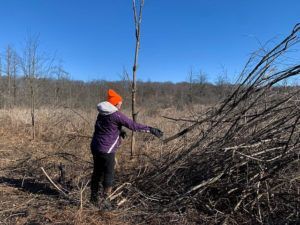 Volunteers helped improve wildlife habitat by removing glossy buckthorn and other invasive shrubs from a prairie fen. Cut stumps were treated with herbicide to prevent future regrowth in an effort to allow native vegetation the opportunity to regenerate. Volunteers improved a total of 3 acres of land.
A special thank you to all our volunteers for their hard work and dedication to habitat conservation!
The post On the Ground: Improving Wildlife Habitat Across Southern Michigan appeared first on Michigan United Conservation Clubs.
Recent Posts