MUCC invited to present mission, work to legislative committee

lschultz • March 3, 2023

The nation’s largest statewide conservation organization was invited to present its conservation work to a Michigan House committee Thursday.

Michigan United Conservation Clubs (MUCC) Executive Director Amy Trotter and President Tim Muir Jr. presented to the House Natural Resources, Environment, Tourism and Outdoor Recreation (NETO) Committee.

Trotter has led the organization for five years and has worked for it for more than 15. Muir was elected vice president in 2020 and became president in 2022.

“MUCC’s nonpartisan nature presents unique opportunities for the organization to work through complicated and sticky policy situations,” Trotter said. “It’s important that legislators get to know us, our organization and what role hunters, anglers, trappers and shooters play in funding conservation.”

Trotter laid out several legislative priorities for this session: enact commercial guiding legislation, update and codify decades-old commercial fishing statute and secure the intent and integrity of Proposal G of 1996.

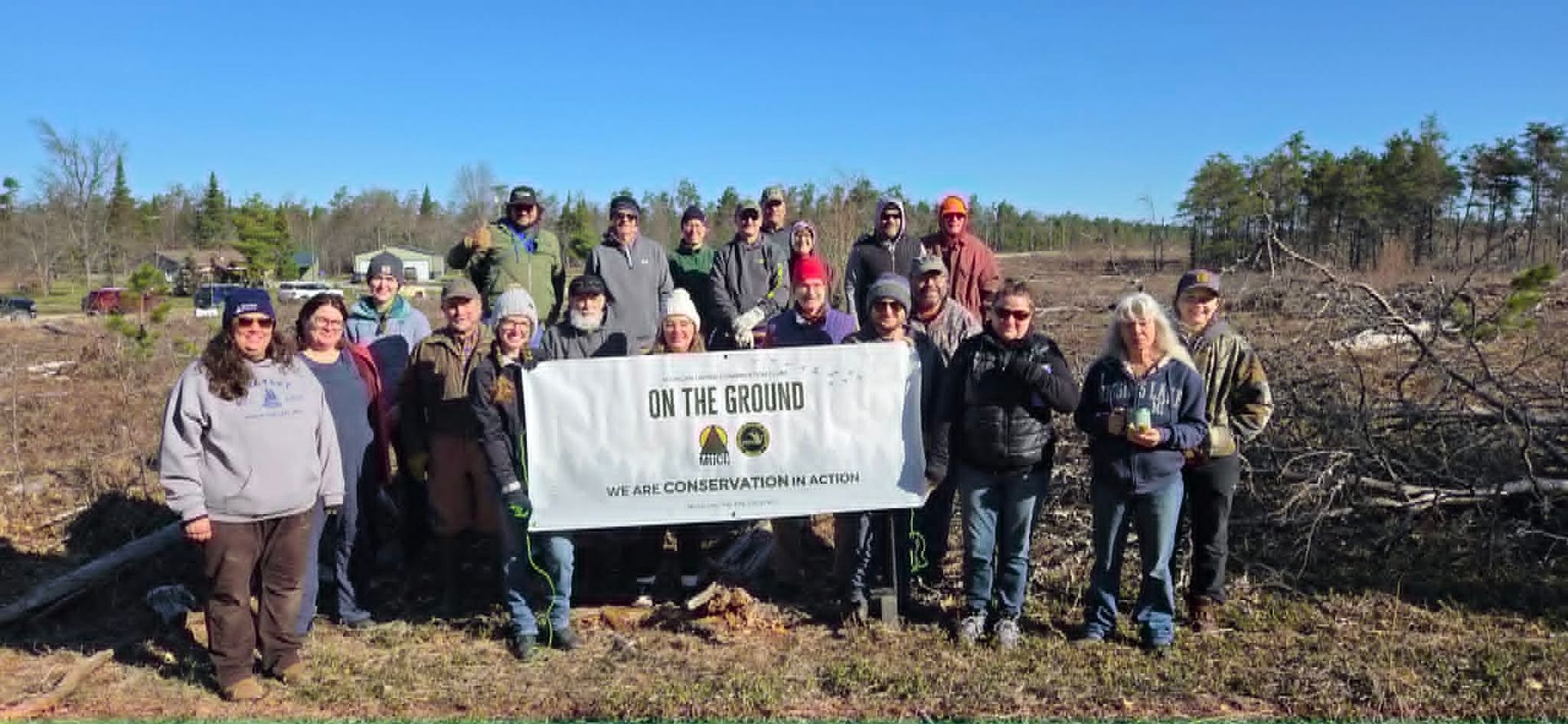
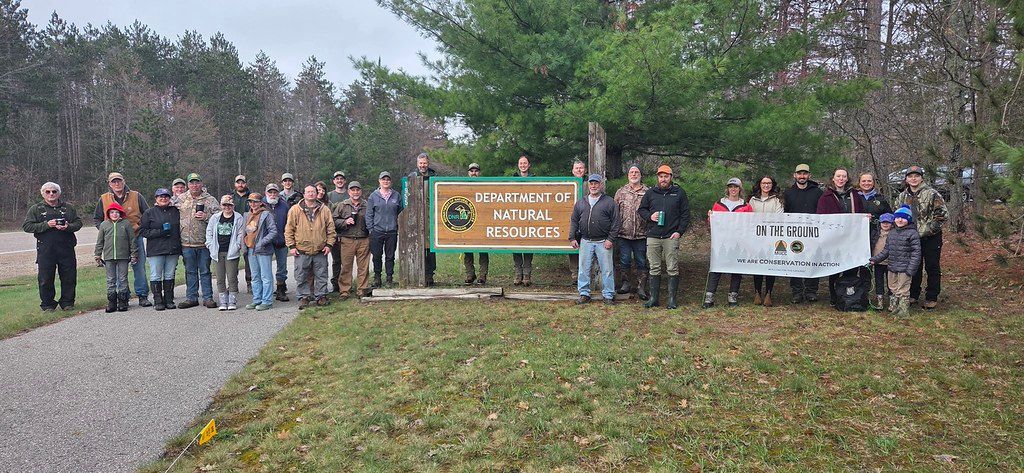
While much of the presentation focused on advocacy, MUCC’s award-winning habitat stewardship program, On the Ground, was highlighted. In the program’s 10 years, it has recruited 3,943 volunteers, improved 3,475 acres and accrued 17,129 volunteer hours.

Michigan Out-of-Doors Youth Camp and MUCC’s education programs were introduced to legislators. More than 58,000 youth have come through the camp since its inception in 1946. Campers are hunter-safety certified and learn about ecology, riflery, paddling, watersheds, fishing, and much more.

This was Muir’s first time in front of a legislative committee, and he was proud to be in front of the committee in his role as president.

“Keeping an open line of dialogue with the legislature and especially the committees the organization works through is important for our membership and the mission,” Muir said. “Without these relationships, working towards common conservation goals would be hard to accomplish.”

Recent Posts

By Olivia Triltsch October 23, 2025
Michigan United Conservation Clubs (MUCC) is proud to announce a new partnership with the National Wildlife Federation (NWF) to bring the Certified Wildlife Habitat ™ program to communities across Michigan. This collaboration connects MUCC’s long-standing commitment to conservation with NWF’s national effort to create, restore, and certify habitats that provide food, water, cover, and places to raise young. Together, the organizations aim to inspire individuals, schools, and communities to take action in their own backyards to support native species. Through this initiative, MUCC will help expand awareness of the Certified Wildlife Habitat program, integrate it into its volunteer network, and provide resources to landowners interested in enhancing habitat on their property. One of the greatest benefits for volunteers comes from the knowledge gained in understanding wildlife habitat enhancement, allowing for the application to private land habitat enhancement. In addition to this, much of the work we do for habitat can apply to a variety of species, from rabbits to wood ducks, even birds of prey. The partnership will also promote community engagement opportunities through educational events, workshops, and collaborative restoration projects. In coordination with efforts like the certified wildlife habitat, MUCC hopes to expand conservation efforts across Michigan. Our award-winning, statewide volunteer habitat program, On the Ground (OTG), works to conserve, protect, and enhance wildlife habitat. In 2025 alone, OTG worked with 739 volunteers across 27 habitat projects, from invasive species removal to river clean-ups. Through the hard work contributing over 2,900 volunteer hours, habitat stewards were able to improve 423 acres of land for wildlife conservation in Michigan. Although OTG projects are not active year-round, we encourage Michigan residents to continue land stewardship on both public and private lands. To qualify for certification through the Certified Wildlife Habitat program, a property must include: Three natural food sources One water source Two places for shelter Two places to raise young Two sustainable practices To determine if your habitat qualifies, visit the NWF website and take the habitat quiz or download the checklist. If your habitat needs native plants, check out Garden for Wildlife to find species native to your area. The $25 application fee includes a personalized paper certificate, a 1-year NWF membership, and the option to purchase lawn plaques and garden flags. Habitats located on school grounds do not have a fee to get certified, so check to see what you might need to qualify today. If you are interested in joining our On the Ground program for the 2026 season, stay connected through our Facebook , Instagram , and OTG webpage for upcoming events.
By Olivia Triltsch October 16, 2025
In 2025, the On the Ground program conducted 8 junior projects with schools involving 316 students from across the state. From tree plantings to invasive species removal, these students worked to enhance 39.3 acres of public land after contributing over 200 volunteer hours. Visit our website to learn more information about our On the Ground program and On the Ground Junior . To wrap up the 2025 field season, the On the Ground program worked with two classrooms to enhance wildlife habitat and recreational access. Junior programs like these allow teachers to get their students out of the classroom and into hands-on learning about the importance of habitat work while meeting individuals in the field.
By Justin Tomei October 9, 2025
The Natural Resources Commission met today, Thursday, October 9th for their October meeting. The commission reaffirmed its intent to allow for lethal year-round coyote management on public and private land via a unanimously passed resolution before passing fisheries orders, and tabling more for consideration in November. The commission passed Fisheries Orders 210.26 , and 254.25 before tabling 206.26, 219.26 , and 253.26 . Commissioner John Walters provided an amendment to the fisheries order to expand underwater spearfishing opportunities to most of the Great Lakes, allowing for some spatial closures for the protection of particularly sensitive areas. The commission took steps to make good on their promise to allow year-round coyote management, unanimously passing a resolution more clearly stating their intent and what the pending wildlife conservation order will look like. The next meeting is Thursday November 6 in Lansing.
More Posts