Educating Students on OTG and the Kirtland’s Warbler
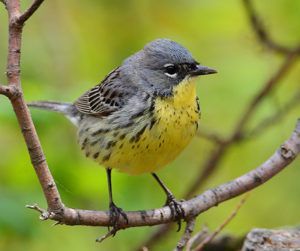
The Kirtland’s Warbler has been threatened by the decline of its much-preferred habitat, the jack pine forest. The US Forest Service and many other conservation organizations are working hard to help the bird and its habitat. Creating educational materials to present to the public is an impactful way for everyone to get involved.
A couple weeks ago, another Huron Pines AmeriCorps member approached me and several other members in the Lansing area with a project. The HPA member that approached us is stationed up in Mio, Michigan with the US Forest Service. Part of her service with the US Forest Service is educating the youth through presentations in the classroom. She expressed that the Eaton Rapids school district has had a presenter from the US Forest Service in the past but that she was not able to make the trip this year all the way from Mio.
The presentation was to be about educating 1-3rd & 5th graders on the endangered Kirkland’s Warbler and its favorite habitat, a jack pine forest. I and three others from MNFI (Michigan Natural Features Inventory) expressed that we would be more than happy to help out. Together we orchestrated the presentation materials to consist of; a short PowerPoint about the bird and its jack pine habitat, OTG, several hands-on activities, and a drawing contest of the bird and its habitat.
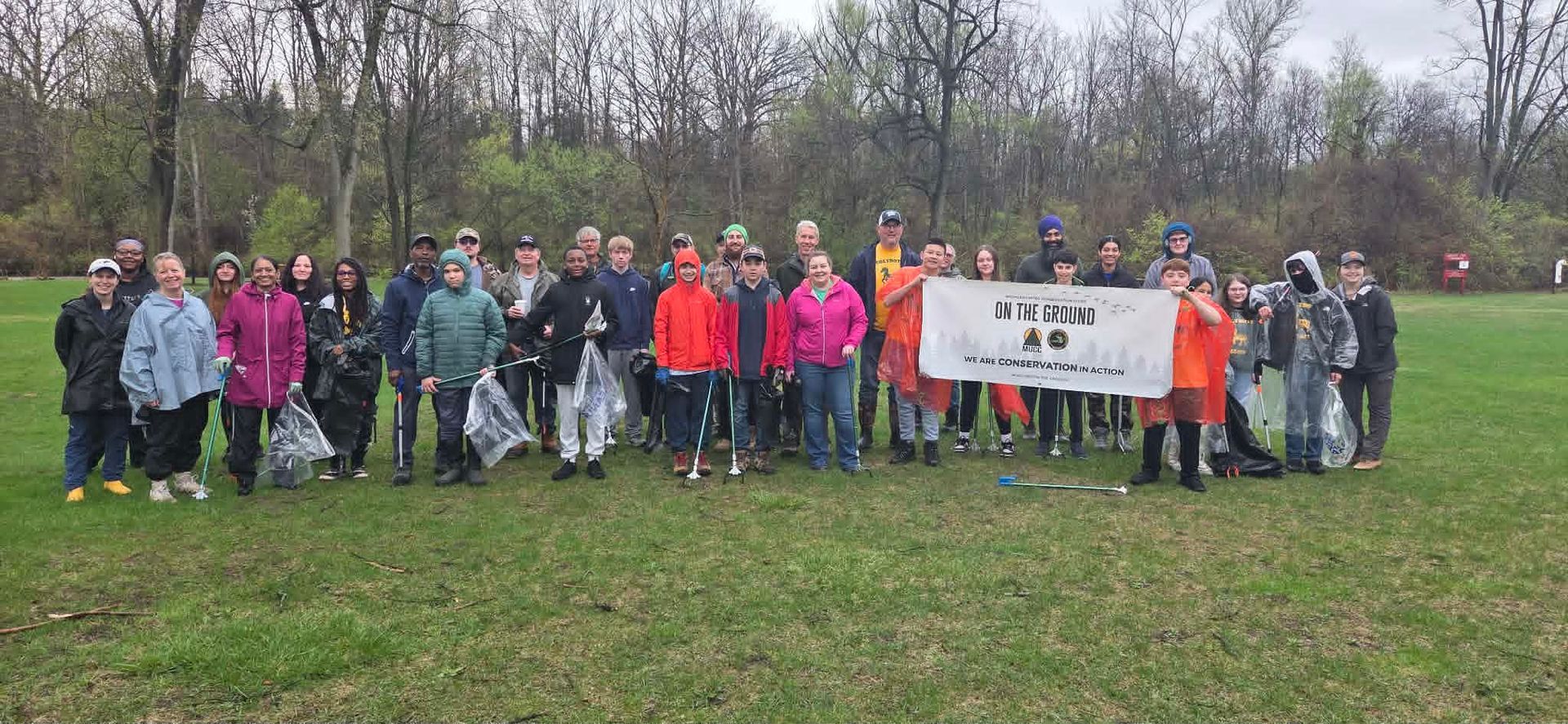
One of the many things MUCC does is help make a habitat a better place for an animal to live, through the OTG program. In my segment of the Kirtland’s Warbler presentation, I spoke to 1-3rd graders about OTG projects and how they can have a positive impact on the bird and its habitat.
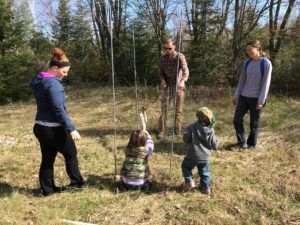
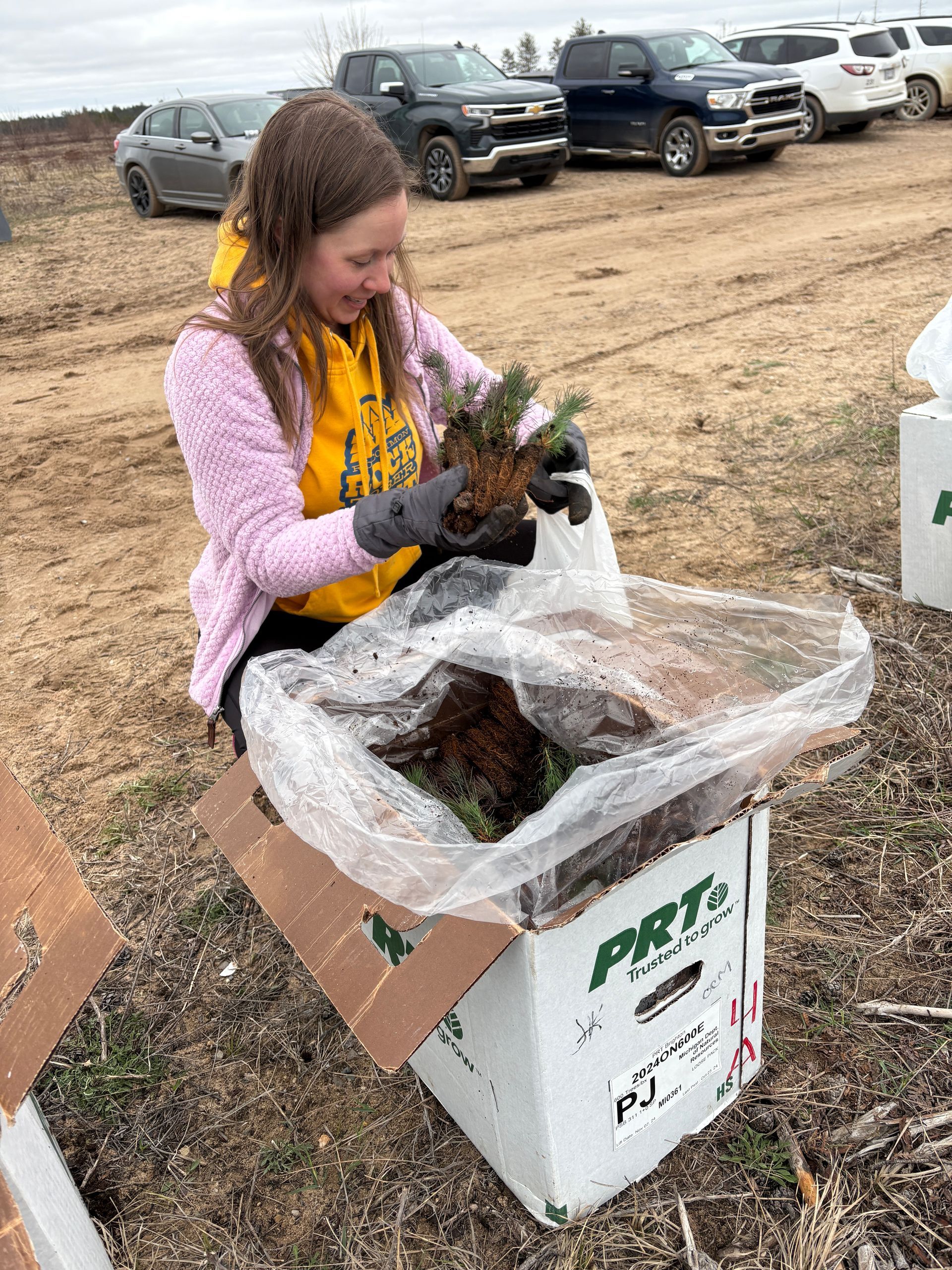
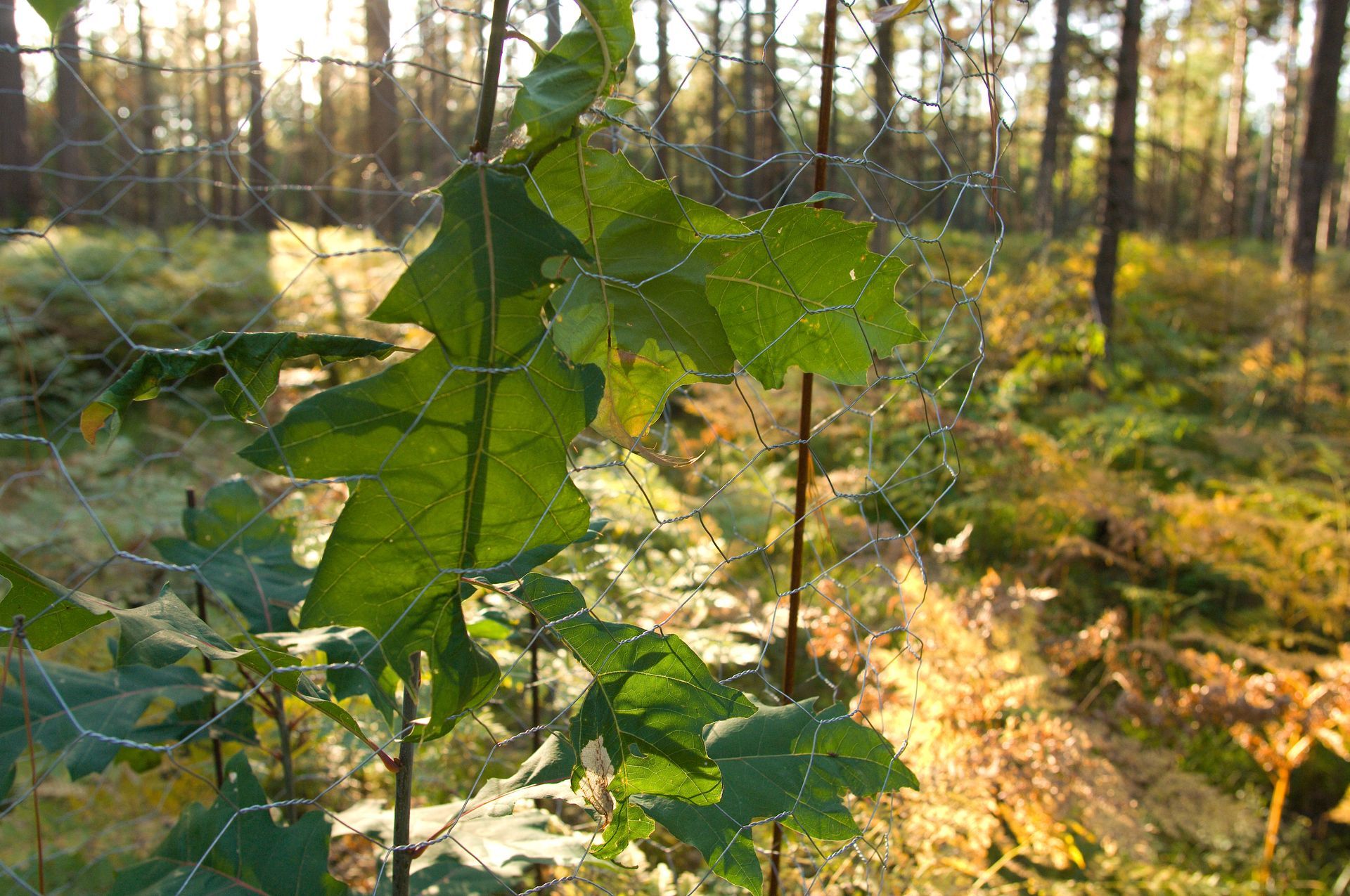
The habitat work that’s done on state game areas by wildlife biologists and OTG’s volunteers can play a role in helping the Kirtland’s Warbler. One OTG project, in particular, involved cutting down invasive scotch pine trees which in turn competes with the jack pine trees for similar resources. Some of the habitat work done by OTG projects also consists of opening up a canopy floor, thereby allowing for potential understory growth of the jack pine tree.
Altogether, the other HPA members and I had a great time connecting with the students and teachers, leaving them with a better understanding of an endangered bird and its habitat.
The post Educating Students on OTG and the Kirtland’s Warbler appeared first on Michigan United Conservation Clubs.
Recent Posts