10-year anniversary: MUCC-led legislation paves the way for volunteer stewardship, habitat projects on public lands
Giving back to our public lands can take many forms — from planting a tree to clearing a field of rocks so it can be tilled to building small game brush piles. Oftentimes, conservationists’ most rewarding experiences are giving back rather than taking from the resource.
What is little known, though, is that up until 2011 it was extremely difficult to plan, recruit volunteers for and execute public land stewardship projects on Michigan’s state-owned lands. Existing statutes disallowed work that would take away from state workers’ jobs or work that normally would fall within Department of Natural Resources (DNR) job descriptions.
Given limited state resources, MUCC offered to help with the habitat management and data collection to improve our hunting, fishing and trapping opportunities, as well as maintain recreational access through trail maintenance. However, the DNR at the time only allowed volunteers to do work on behalf of the department in a limited number of circumstances. For example, picking up trash, collecting native seed and motorized trail maintenance were allowed.
Michigan United Conservation Clubs (MUCC) identified ways that the organization, and others similar, could complement the DNR’s habitat work using volunteers if such work was allowed. In true grassroots fashion, MUCC members and staff went to work drafting bill language, lobbying rulemakers and, ultimately, getting a bill introduced.
Enter House Bill 4111 of 2011 : A common-sense piece of legislation in a time of the reinvention of state government. Introduced by Bruce Rendon (R-Lake City), HB 4111 gave the DNR broad authority to appoint volunteers to facilitate responsibilities for the DNR under Sec. 503 of the Natural Resources and Environmental Protection Act.
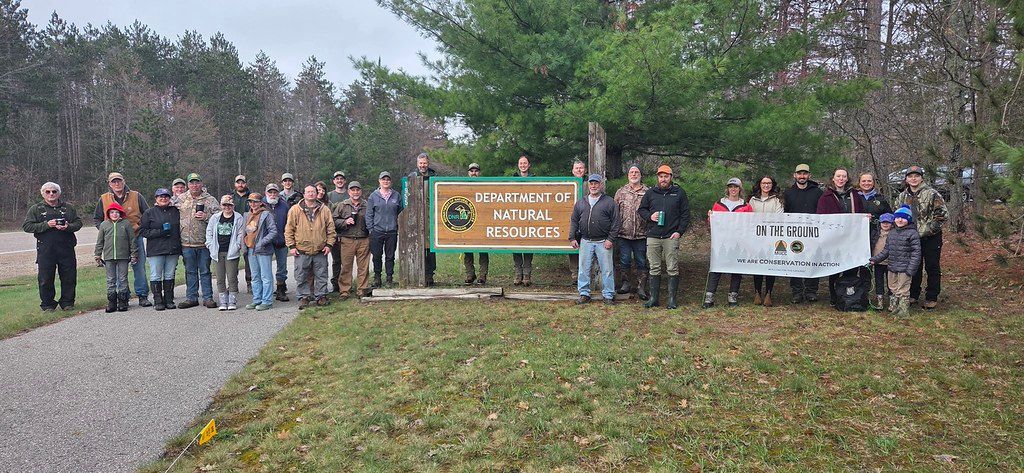
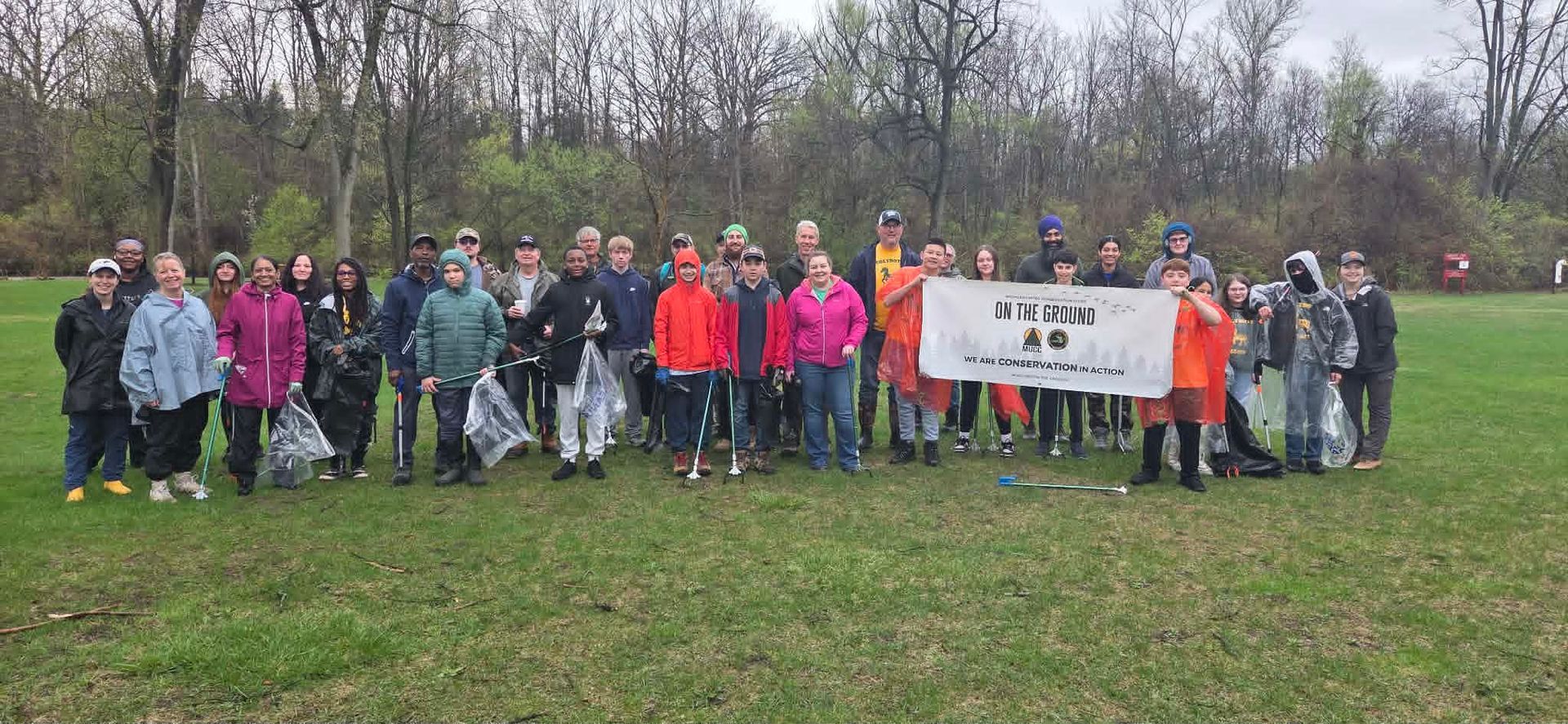
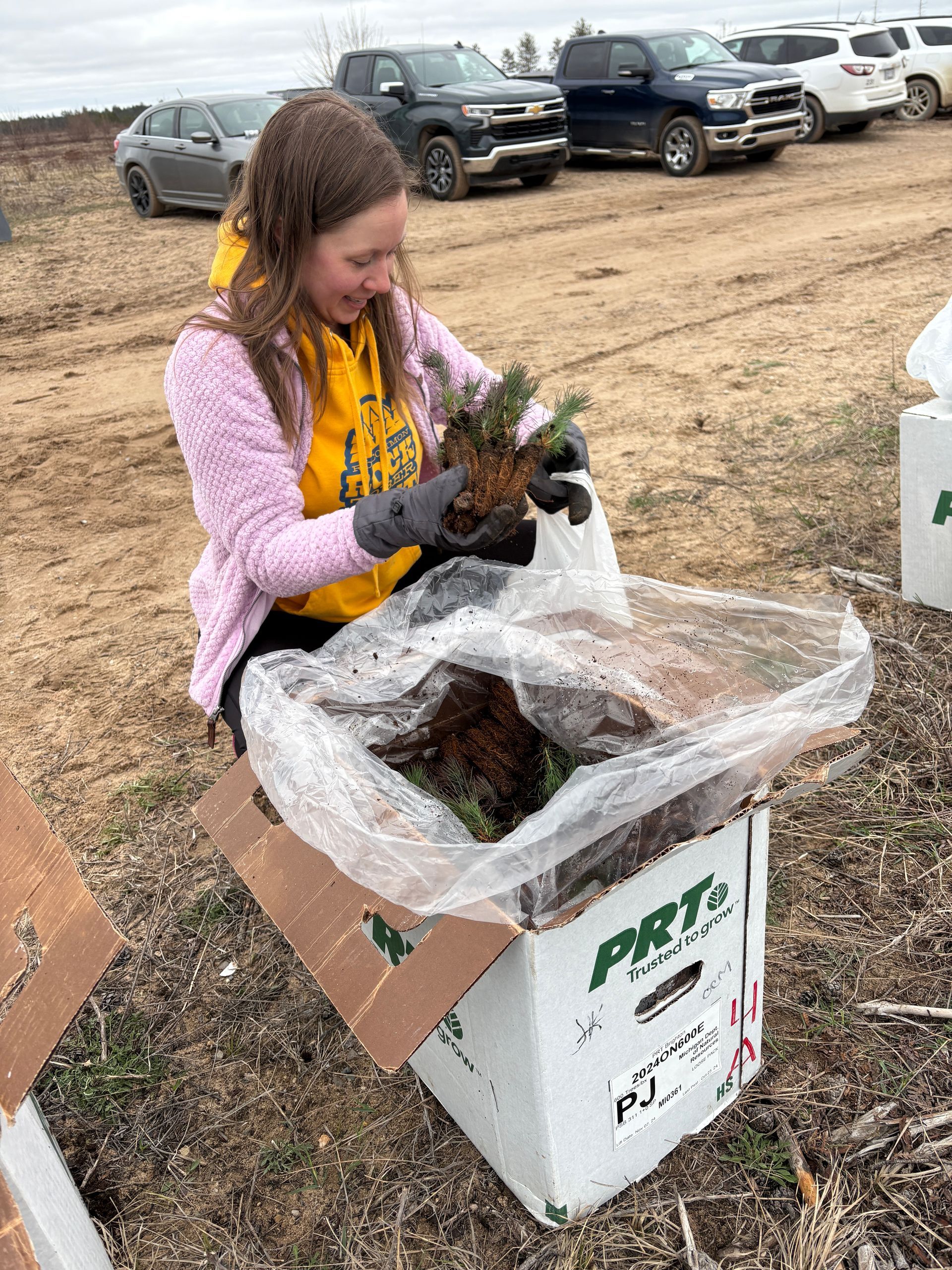
MUCC’s award-winning public land stewardship program, On the Ground (OTG), was born. Since its inception in 2013, OTG has improved more than 3,100 acres, enlisted 3,227 volunteers, accrued more than 15,000 volunteer hours and completed 160 projects. OTG is funded through a memorandum of agreement with the DNR. The program is a recipient of Outdoor Life’s Open Country Award.
Facilitating and fostering public land stewardship is a lifetime endeavor that MUCC hopes to instill in all of its OTG volunteers, said Makhayla LaButte, MUCC habitat volunteer coordinator.
“OTG provides space for birders, hikers, hunters and recreationists to rally around a common goal — habitat and wildlife,” LaButte said. “Without MUCC passing legislation to allow this work to happen, work on Michigan’s state-owned lands would have continued but not to the level currently happening and certainly not in a way that engages the public like OTG.”
In 2016, MUCC expanded its public land stewardship program even further with OTG Junior — a program aimed at spreading the conservation message to school districts throughout the state. Through MUCC-secured funding, school districts are able to pay for bus transportation, offset other event costs and create a conservation-themed field trip for students.
OTG Jr. was able to build on what MUCC learned with OTG and expand habitat opportunities to the next generation of conservation stewards, said Shaun McKeon, MUCC education director.
“Teaching a child the importance of conservation, ecosystems and wildlife often leaves a lasting and memorable impression for them to look back on,” McKeon said. “While we don’t expect every child that leaves our OTG Jr. events to start hunting or fishing, we do hope they leave with a little better sense of what it means to be a conservation steward and help carry that message with them throughout their lifetime.”
In 2021, OTG continued to expand its impact across the state through new and diverse partnerships with fellow conservation organizations. OTG’s efforts to improve wildlife habitat on lands open to the public for hunting has enabled us to partner with new organizations like the Pierce Cedar Creek Institute, The Nature Conservancy and other conservation clubs and organizations.
While state-managed public lands remain our main focus through this program, MUCC is excited to promote stewardship efforts in all regions of the state and engage new and seasoned outdoor recreationists in improving the health of the wildlife and lands they love.
Next time you attend a public land improvement event hosted by a non-governmental organization, give a nod to MUCC and the hard work of its members and volunteers that helped to pass legislation allowing volunteer activities to happen on public lands.
Since 1937, MUCC has united citizens to conserve, protect and enhance Michigan’s natural resources and outdoor heritage – and we do so from Lansing to Washington D.C. Please join us today: http://bit.ly/JoinMUCC
Recent Posts