Aquatic Invasive Species (AIS) Awareness Week

Americorps • July 3, 2024

This week, we celebrate one of the most important holidays in the history of our country. Fireworks will fill the skies, drinks will be ice cold, and backyard grills will be fired up as people celebrate the red, white, and blue. However, this week also marks an important week for invasive species. June 30 – July 6 is this year’s Aquatic Invasive Species (AIS) Awareness Week. Around 50 boat landing events are planned throughout the state to mark the occasion and spread awareness about aquatic invasives. The Michigan Department of Natural Resources (DNR) notes that “ public awareness about the impacts of harmful, nonnative aquatic plants and animals is critical to protecting Michigan’s ecosystems, tourism, and economy “.

Aquatic Invasive Species

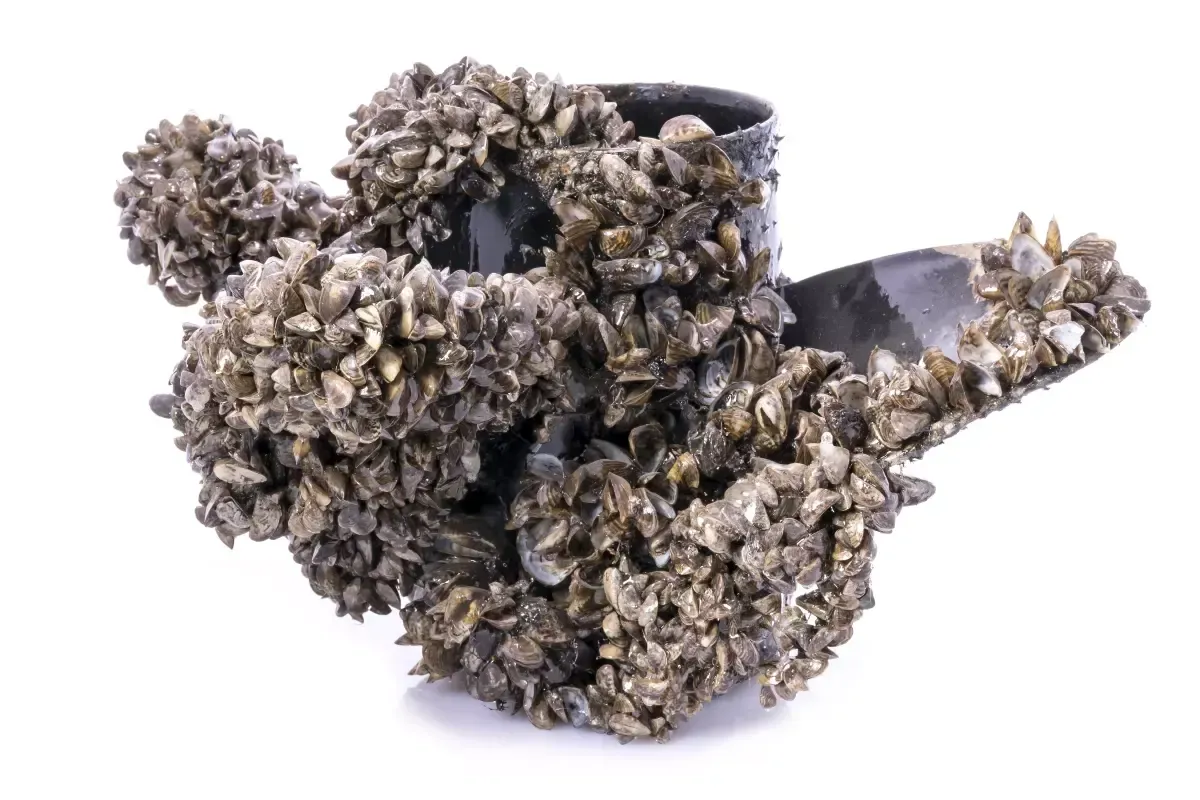
The U.S. Department of Agriculture’s National Invasive Species Information Center writes that “aquatic (water-dwelling) invasive species are nonnative plants, animals, and other organisms that have evolved to live primarily in water (aquatic habitats)”. They also note that common aquatic invasive species include algae, floating plants, submersed plants, insects, fish, reptiles, and more. These organisms are invasive because they cause harm to the ecosystem around them. They have been introduced to areas beyond their native range, and they can quickly outcompete native species for resources such as food and habitat. Aquatic invasives also make it more difficult for people to recreate on Michigan’s waters, which in turn negatively impacts our economy.
Take Action

Want to learn how to take action and help prevent aquatic invasive species from further spreading? The Michigan DNR requires a few key things that every boater and angler must do when recreating on Michigan’s waters:

  • Remove all aquatic organisms from boats and trailers before launching or transporting
  • Remove all drain plugs and drain all water before transporting
  • Dispose of unused bait in the trash , and do not throw it into the water

Other recommended actions by the DNR include washing boats and trailers before transporting and drying them for at least 5 days, and disinfecting live wells and bilges with a bleach solution (1/2 cup of bleach to 5 gallons of water). MSU Extension also offers a free Mobile Boat Wash program for boaters to receive a free boat wash and to help educate them on the prevention of aquatic invasives.

Clean, Drain, Dry
Clean, Drain, Dry is part of an initiative created by the Stop Aquatic Hitchhikers! national campaign. It aims to give people a simple step-by-step guide to help prevent the spread of aquatic invasives. The steps are listed below:

  • CLEAN off visible plants, animals, and mud from all equipment
  • DRAIN watercraft bilge, livewell, motor, and other water-containing devices
  • DRY everything for at least 5 days or wipe with a towel before reuse
  • DISPOSE of any unused bait in the trash (for anglers only)

These steps work together in harmony to stop the spread of aquatic invasive species. Cleaning removes visible organisms, draining removes water which hides small organisms like larvae, and drying is necessary to ensure living material is not moved.

Following these key steps ensures that aquatic invasive species are not spread to new areas. It’s important that every boater and angler in Michigan work to help conserve and protect the environment we live in. By keeping our waters clean, we ensure that future generations can enjoy our natural resources for many years to come.

Recent Posts

By Olivia Triltsch October 23, 2025
Michigan United Conservation Clubs (MUCC) is proud to announce a new partnership with the National Wildlife Federation (NWF) to bring the Certified Wildlife Habitat ™ program to communities across Michigan. This collaboration connects MUCC’s long-standing commitment to conservation with NWF’s national effort to create, restore, and certify habitats that provide food, water, cover, and places to raise young. Together, the organizations aim to inspire individuals, schools, and communities to take action in their own backyards to support native species. Through this initiative, MUCC will help expand awareness of the Certified Wildlife Habitat program, integrate it into its volunteer network, and provide resources to landowners interested in enhancing habitat on their property. One of the greatest benefits for volunteers comes from the knowledge gained in understanding wildlife habitat enhancement, allowing for the application to private land habitat enhancement. In addition to this, much of the work we do for habitat can apply to a variety of species, from rabbits to wood ducks, even birds of prey. The partnership will also promote community engagement opportunities through educational events, workshops, and collaborative restoration projects. In coordination with efforts like the certified wildlife habitat, MUCC hopes to expand conservation efforts across Michigan. Our award-winning, statewide volunteer habitat program, On the Ground (OTG), works to conserve, protect, and enhance wildlife habitat. In 2025 alone, OTG worked with 739 volunteers across 27 habitat projects, from invasive species removal to river clean-ups. Through the hard work contributing over 2,900 volunteer hours, habitat stewards were able to improve 423 acres of land for wildlife conservation in Michigan. Although OTG projects are not active year-round, we encourage Michigan residents to continue land stewardship on both public and private lands. To qualify for certification through the Certified Wildlife Habitat program, a property must include: Three natural food sources One water source Two places for shelter Two places to raise young Two sustainable practices To determine if your habitat qualifies, visit the NWF website and take the habitat quiz or download the checklist. If your habitat needs native plants, check out Garden for Wildlife to find species native to your area. The $25 application fee includes a personalized paper certificate, a 1-year NWF membership, and the option to purchase lawn plaques and garden flags. Habitats located on school grounds do not have a fee to get certified, so check to see what you might need to qualify today. If you are interested in joining our On the Ground program for the 2026 season, stay connected through our Facebook , Instagram , and OTG webpage for upcoming events.
By Olivia Triltsch October 16, 2025
In 2025, the On the Ground program conducted 8 junior projects with schools involving 316 students from across the state. From tree plantings to invasive species removal, these students worked to enhance 39.3 acres of public land after contributing over 200 volunteer hours. Visit our website to learn more information about our On the Ground program and On the Ground Junior . To wrap up the 2025 field season, the On the Ground program worked with two classrooms to enhance wildlife habitat and recreational access. Junior programs like these allow teachers to get their students out of the classroom and into hands-on learning about the importance of habitat work while meeting individuals in the field.
By Justin Tomei October 9, 2025
The Natural Resources Commission met today, Thursday, October 9th for their October meeting. The commission reaffirmed its intent to allow for lethal year-round coyote management on public and private land via a unanimously passed resolution before passing fisheries orders, and tabling more for consideration in November. The commission passed Fisheries Orders 210.26 , and 254.25 before tabling 206.26, 219.26 , and 253.26 . Commissioner John Walters provided an amendment to the fisheries order to expand underwater spearfishing opportunities to most of the Great Lakes, allowing for some spatial closures for the protection of particularly sensitive areas. The commission took steps to make good on their promise to allow year-round coyote management, unanimously passing a resolution more clearly stating their intent and what the pending wildlife conservation order will look like. The next meeting is Thursday November 6 in Lansing.
More Posts