Stay Vigilant: A Watchlist Fish

Olivia Triltsch • March 26, 2026

Invasive species continue to pose a serious threat to Michigan waters, and one fish that has raised increasing concern in recent years is the northern snakehead. Known for its aggressive behavior and ability to survive in a range of conditions, this species has gained attention across the Midwest and Great Lakes region. While snakeheads are not established in Michigan waters yet, their spread into nearby states highlights the importance of awareness, early detection, and prevention. For anglers and conservationists, understanding how to identify and respond to invasive species, even those on the watchlist, is critical to protecting Michigan’s fisheries and native ecosystems.

History

The northern snakehead (Channa argus) is native to parts of Asia and was first introduced to the United States through the live fish trade for food markets and aquariums, according to the U.S. Geological Survey (USGS). The species gained national attention in the early 2000s after being discovered in a pond in Maryland, where it was later eradicated. Since then, the U.S. Fish and Wildlife Service (USFWS) has recognized snakeheads establishing reproducing populations in eastern states while they continue to expand their range. While they have not been confirmed as established in Michigan, their presence in connected waterways and the potential for illegal introductions remain ongoing concerns by the Michigan Invasive Species Program (MISP).

Characteristics

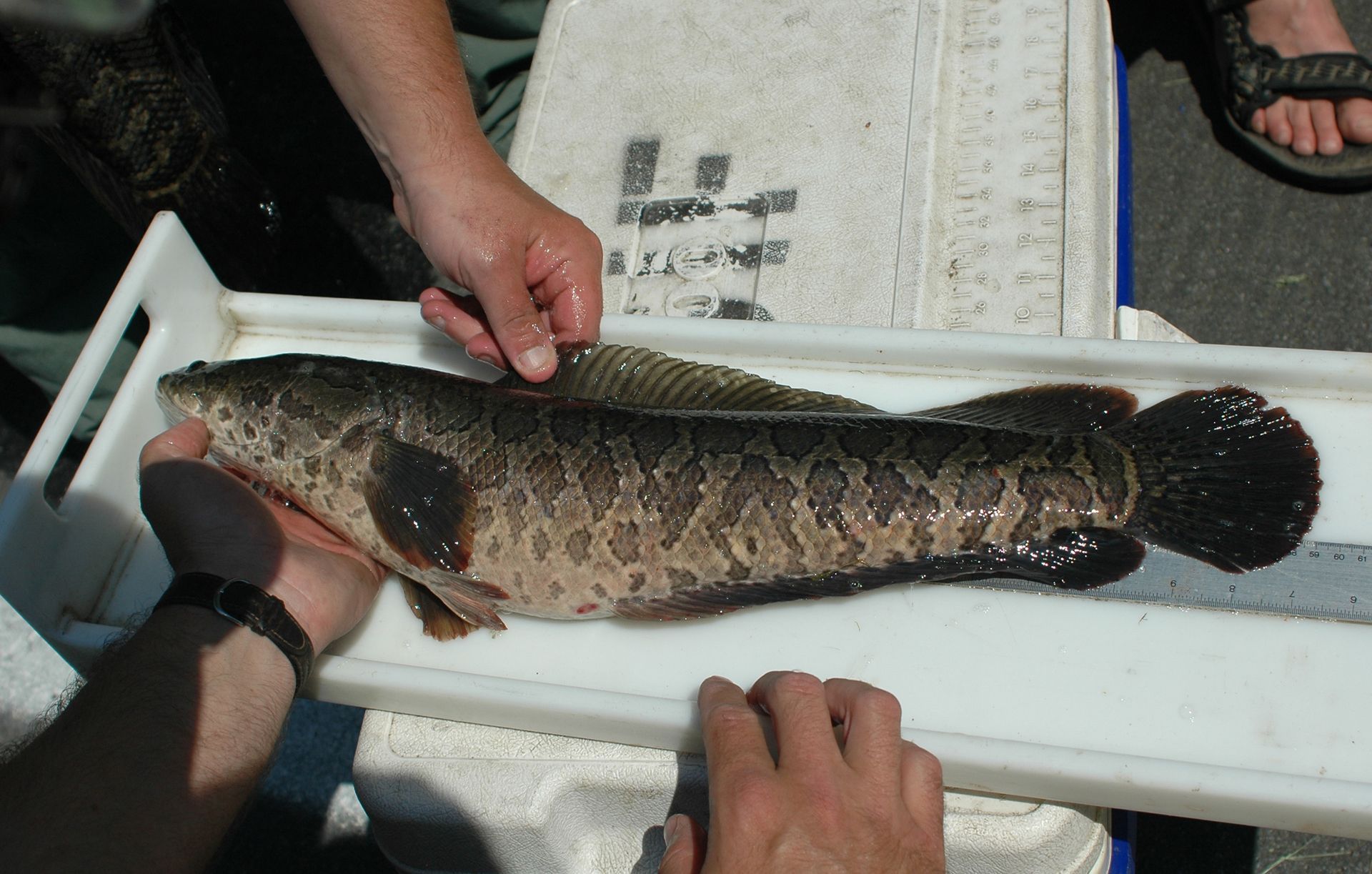
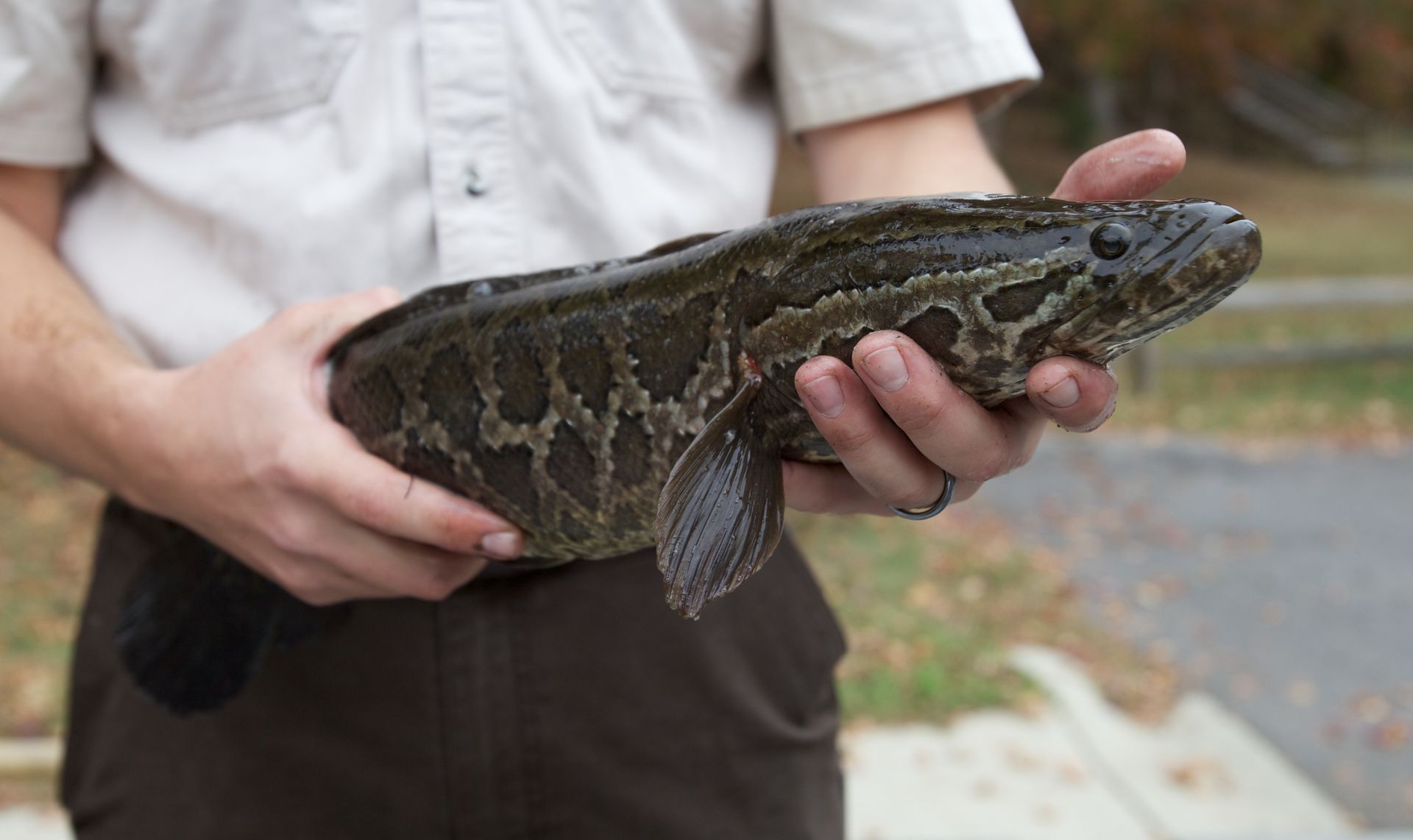
Snakeheads are long, cylindrical fish that can grow over 30 inches in length. USGS describes the species as having a flattened head resembling a snake, large mouths with sharp teeth, and dorsal fins that run nearly the entire length of their body. Their coloration is typically a dark mottled pattern on a lighter background, helping them camouflage into aquatic vegetation.


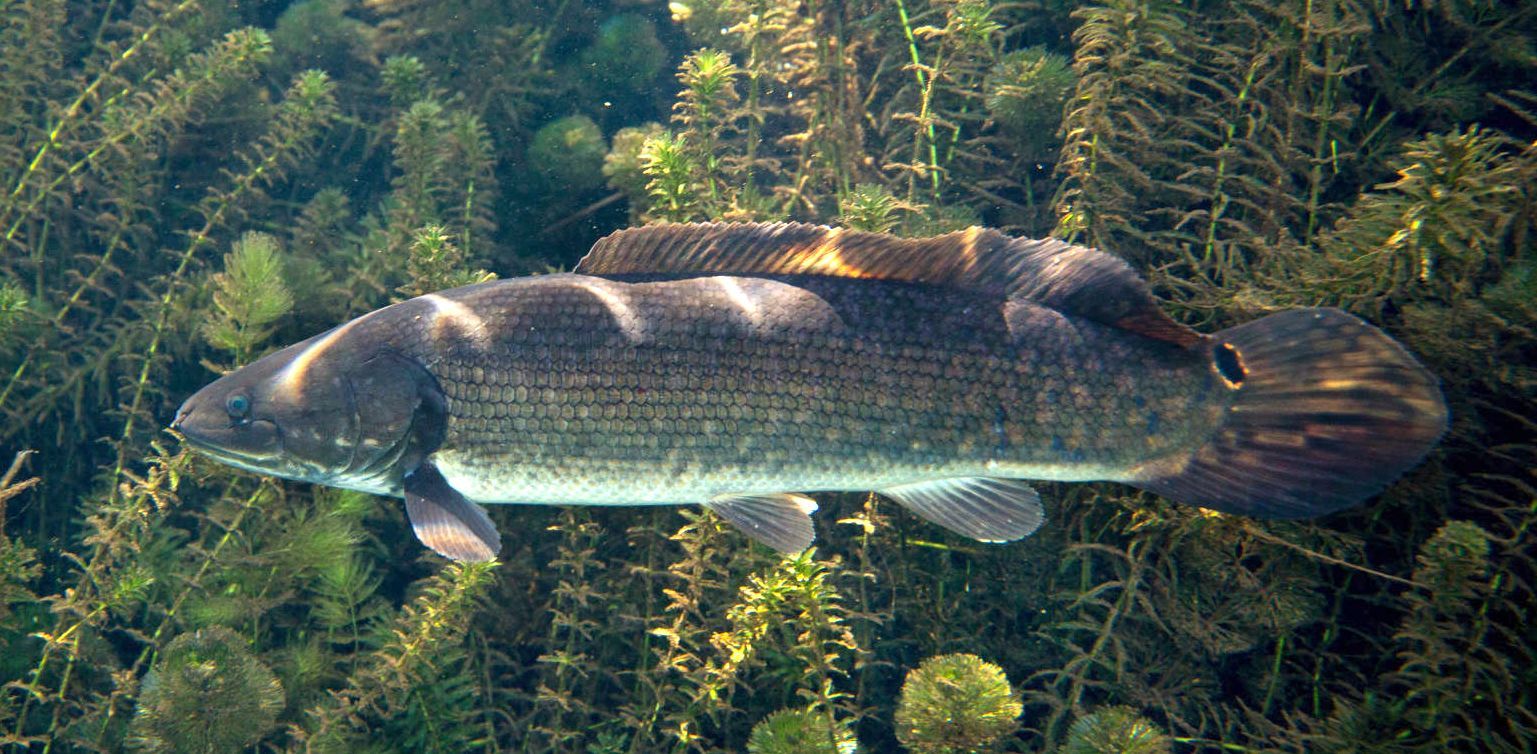
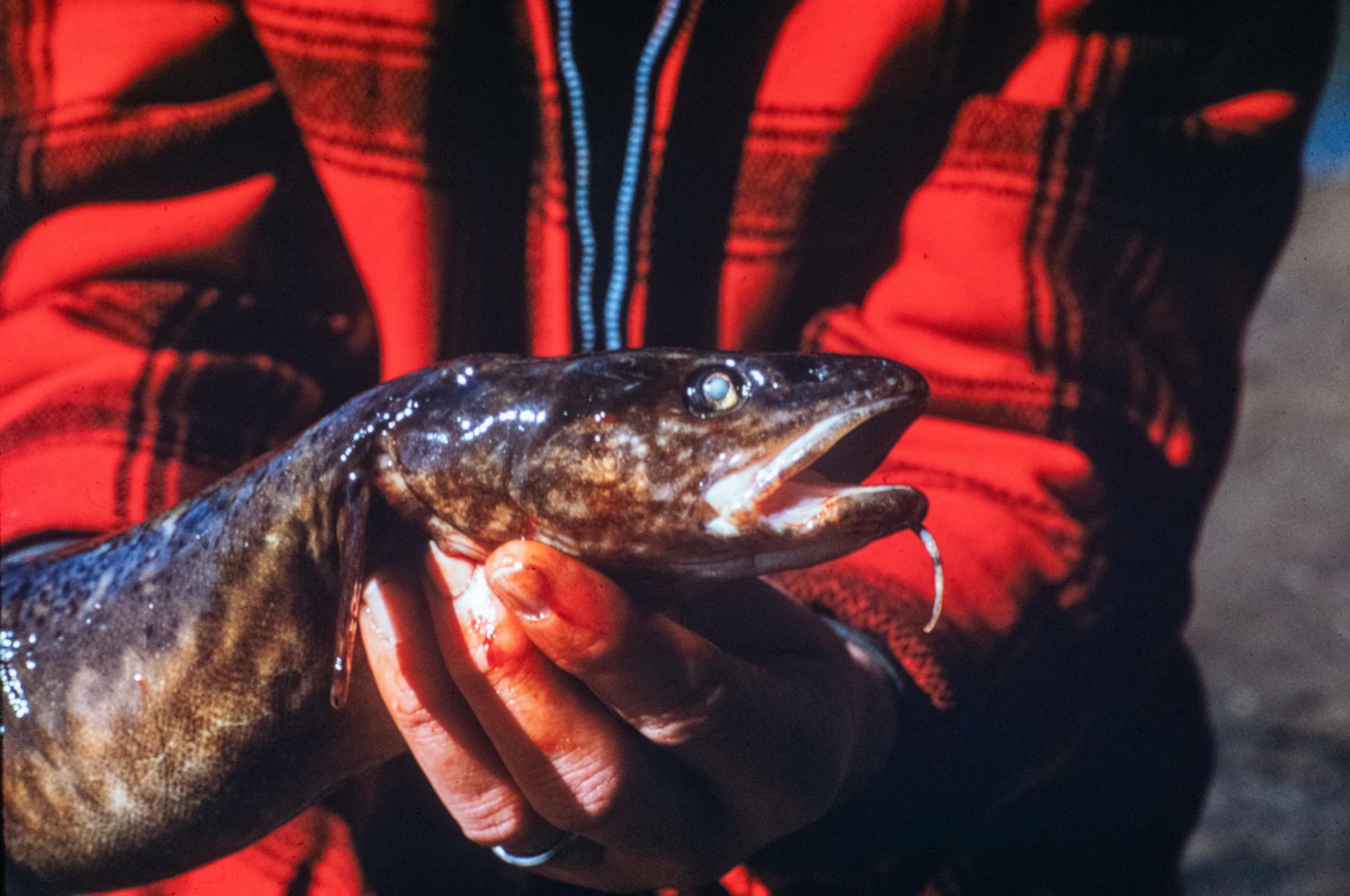
Snakeheads can be confused with native species, particularly bowfin and burbot, making proper education and identification important. The native bowfin is also a fish with a long dorsal fin and a similar, elongated body shape, but can be distinguished by a rounded tail fin and the presence of a dark spot near the tail in males. Bowfin are native and play an important role in Michigan ecosystems. The burbot, another native species, has an elongated body but differs significantly with a single barbel on its chin, and smooth, scaleless skin. Unlike snakeheads, burbot are more closely related to cod and are typically found in colder environments.

USFWS warns of one key difference: snakeheads have the ability to breathe air, allowing them to survive out of water for extended periods and move short distances across land under the right conditions. This trait increases their potential to spread and makes them especially concerning as an invasive species.

Current Status

Snakeheads are not currently established in Michigan waters, but MISP considers the species a high-risk invasive species due to their presence in other parts of the United States and their ability to thrive in a variety of habitats. Because Michigan is connected to other water systems through the Great Lakes and inland waterways, there is a high risk of introduction. Michigan law prohibits the possession, importation, or release of live snakehead fish to prevent their establishment. Early detection and rapid response play an important role in preventing invasive species from establishing in the state.

Conservation

Preventing the introduction of snakeheads is the most effective form of conservation for invasive species control. Once established, invasive fish species are difficult to eradicate. Anglers play a key role in prevention by following regulations, properly disposing of unused bait, and never releasing live fish into Michigan waters.

If a suspected snakehead is caught, anglers are encouraged not to   release the fish and to report the catch to the Michigan Department of Natural Resources (DNR) or the Midwest Invasive Species Information Network (MISIN). Taking clear photos and noting the location can help officials respond quickly. Public education and outreach are key components of invasive species management for conservation. By learning to distinguish snakeheads from native species like bowfin and burbot, anglers can help prevent accidental misidentification and ensure that native fish populations are not harmed.


Photo (left): A northern snakehead being held, courtesy of Ryan Hagerty, USFWS.


As Michigan moves into spring and early summer, fishing activity increases and more anglers are out on the water. This seasonal shift makes it an important time for awareness around invasive species. Warmer temperatures also create favorable conditions for many aquatic species, increasing the risk of establishment if invasive fish are introduced.

Learn More

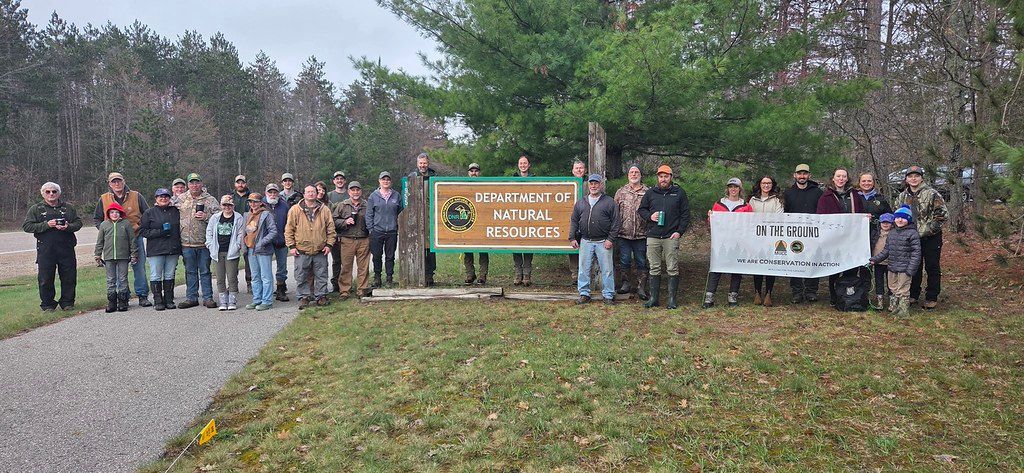
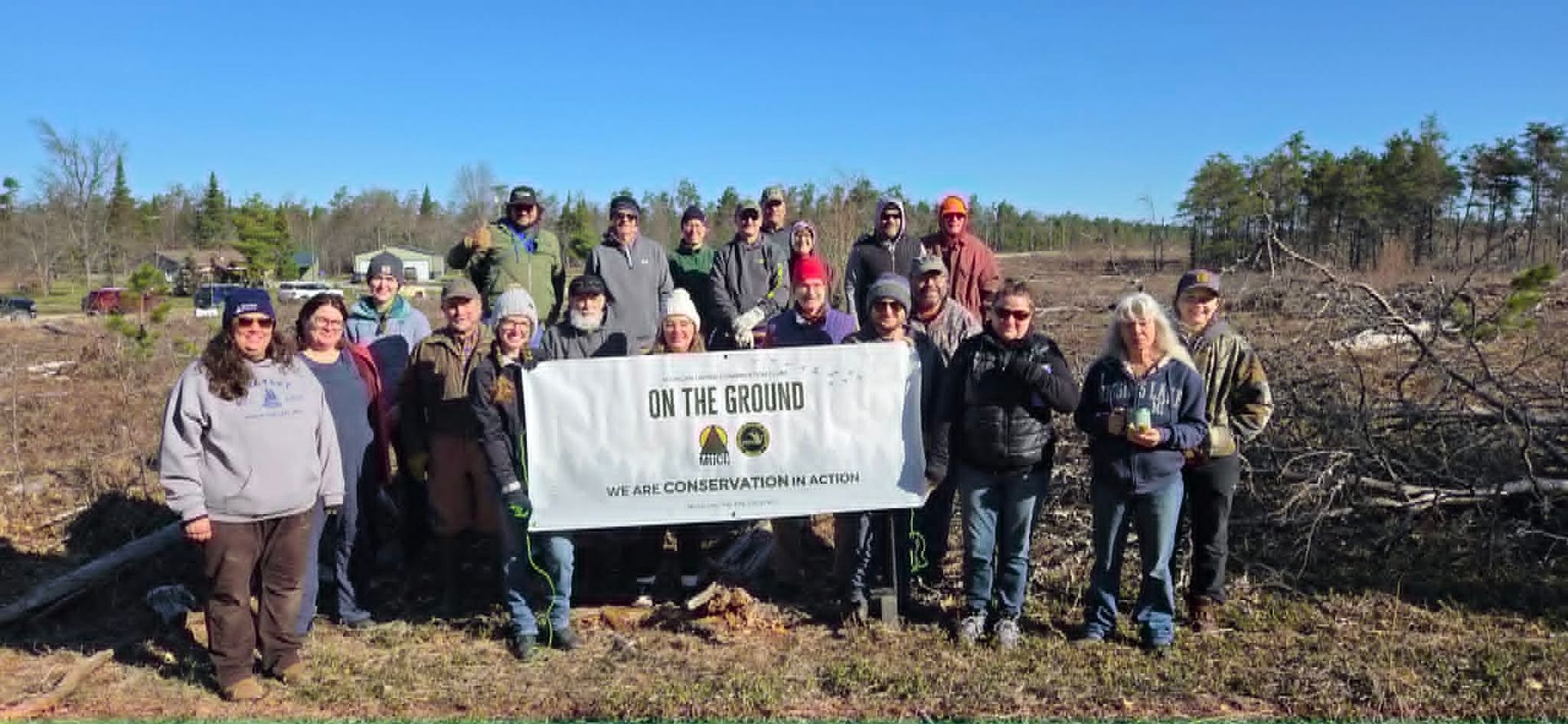
Invasive species prevention is a shared responsibility shared by all within Michigan’s outdoor community. The Michigan DNR provides resources for identifying and reporting species like snakehead, along with current regulations and best practices. If you are interested in protecting Michigan’s waters and habitats, consider getting involved with Michigan United Conservation Clubs (MUCC). Through its On the Ground (OTG) program, MUCC coordinates volunteer efforts that improve aquatic habitat, restore shorelines, and enhance ecosystems across the state. To learn more about upcoming projects and how you can get involved, visit our OTG website.

Recent Posts

By Olivia Triltsch March 19, 2026
Improving wildlife habitat doesn’t always require heavy equipment or large-scale restoration; sometimes, it starts with something as simple as a pile of brush.
By Olivia Triltsch March 12, 2026
History
By Olivia Triltsch March 5, 2026
History
More Posts