Prevent Oak Wilt by Pruning Oak Trees in the Winter
lschultz • November 19, 2020

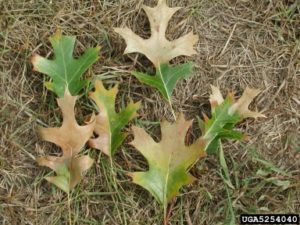
Wilt pattern in oak leaves. Photo by Joseph O’Brien, USDA Forest Service.

Oak wilt is a fungal disease that is carried to oak trees by small beetles that feed on the sap produced from fresh wounds to the tree (i.e. pruning, storm damage). The spores of the fungus then move through the vascular system of the infected tree, which is responsible for transporting water throughout the tree. Once the tree detects the infection, it tries to mitigate the further spread of the fungus by plugging infected cells. This in turn leads to the browning of leaves and the wilting of branches on the oak tree. Oak wilt disease is prevalent throughout the Lower Peninsula and in regions of the Upper Peninsula along the Wisconsin border and it primarily impacts red oaks.

Although the spring season is usually the ideal time for many people to complete yard work, oak trees benefit greatly from being pruned during the winter months instead.  Oak trees are far less likely to become infected with oak wilt disease when pruned in the winter since the beetles that carry and spread the disease to the trees are almost completely inactive during the cold winter months. Thus, those who intend to prune their oak trees are encouraged to do so in the winter instead of the high-risk period from April 15-July 15 when the beetles are most active.

Firewood is also a known contributor to the spread of oak wilt disease, and oak firewood should not be moved to prevent the chance of healthy oak forests being impacted by firewood that is host to oak wilt disease. If you suspect your oak firewood to be infected, the Michigan Department of Natural Resources (DNR) recommends the wood be burned, debarked or chipped before April. Or, once the wood has dried for a year and the bark has loosened, the oak firewood is unlikely to spread disease.

If you’re interested in learning more about oak wilt disease and what you can do to prevent it, please review the Michigan State University Extension article on the topic HERE . More information is also available from the Michigan DNR HERE .

Recent Posts

By Olivia Triltsch May 21, 2026
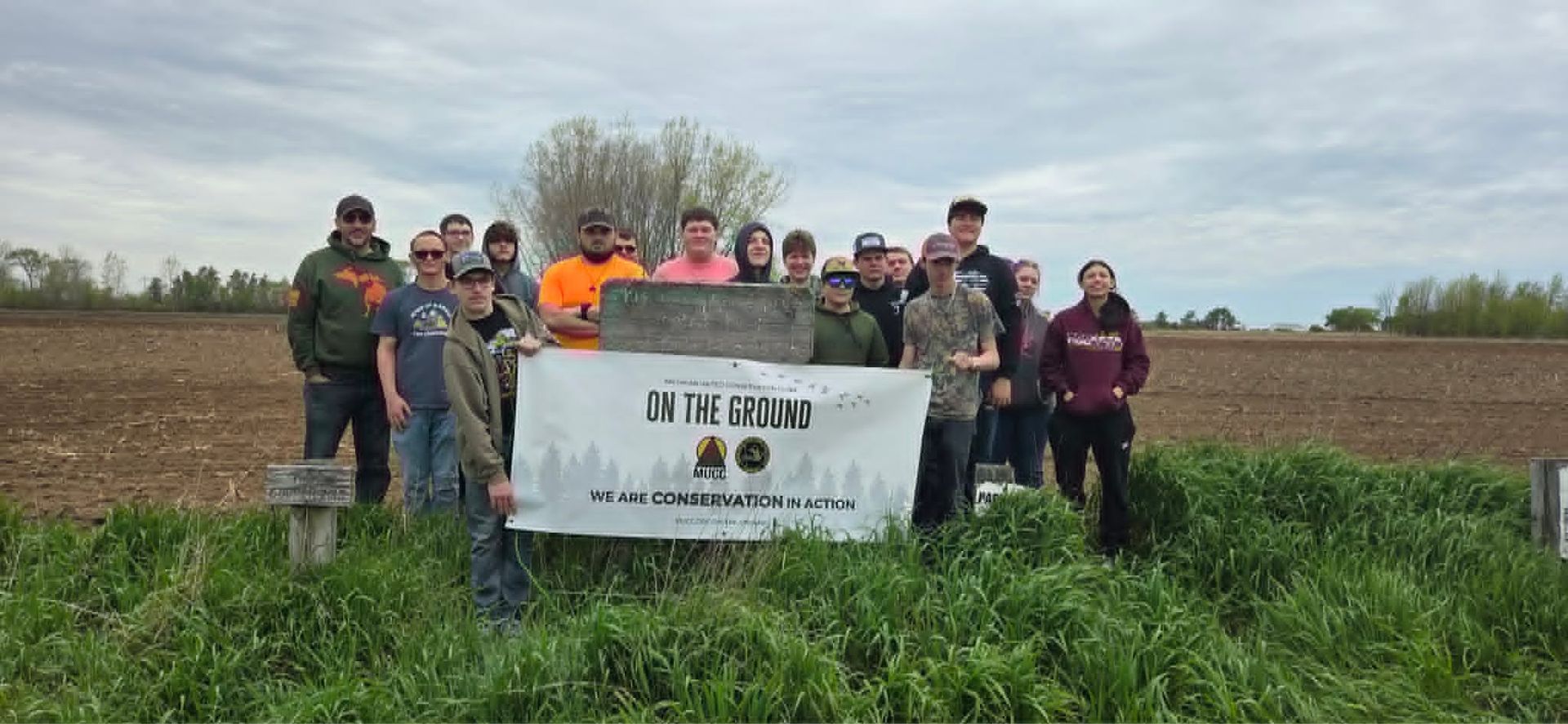
On Friday, May 15, 2026, high school students who are part of the Reese High Outdoors Club joined MUCC’s On the Ground Junior program and the Michigan Department of Natural Resources (DNR) at the Denmark Township Mini State Game Area. Students completed a wildlife habitat improvement project by clearing a grassland habitat of invasive woody growth maintained for pheasants. Using the cut vegetation from the area, students constructed several large brush piles throughout the site to benefit small mammals and other wildlife in the area. Maintaining open grassland habitat is important for supporting species that rely on early successional cover for cover or feeding. Due to suppression of natural disturbances, active management helps to control woody vegetation from gradually overtaking the areas and reducing habitat quality for species that rely on the grassland. The project area is near fields planted by the DNR to provide both habitat and food sources for wildlife, making these improvements part of a larger habitat management effort on the property. In total, students directly improved 10 acres of wildlife habitat through this project. Beyond the on-the-ground impact, the event also allowed students to try a hands-on conservation experience and the ability to contribute to habitat management and public land stewardship in Michigan. Projects like this continue to demonstrate the value of engaging the next generation in Michigan's outdoor heritage and wildlife conservation efforts.
By Olivia Triltsch May 7, 2026
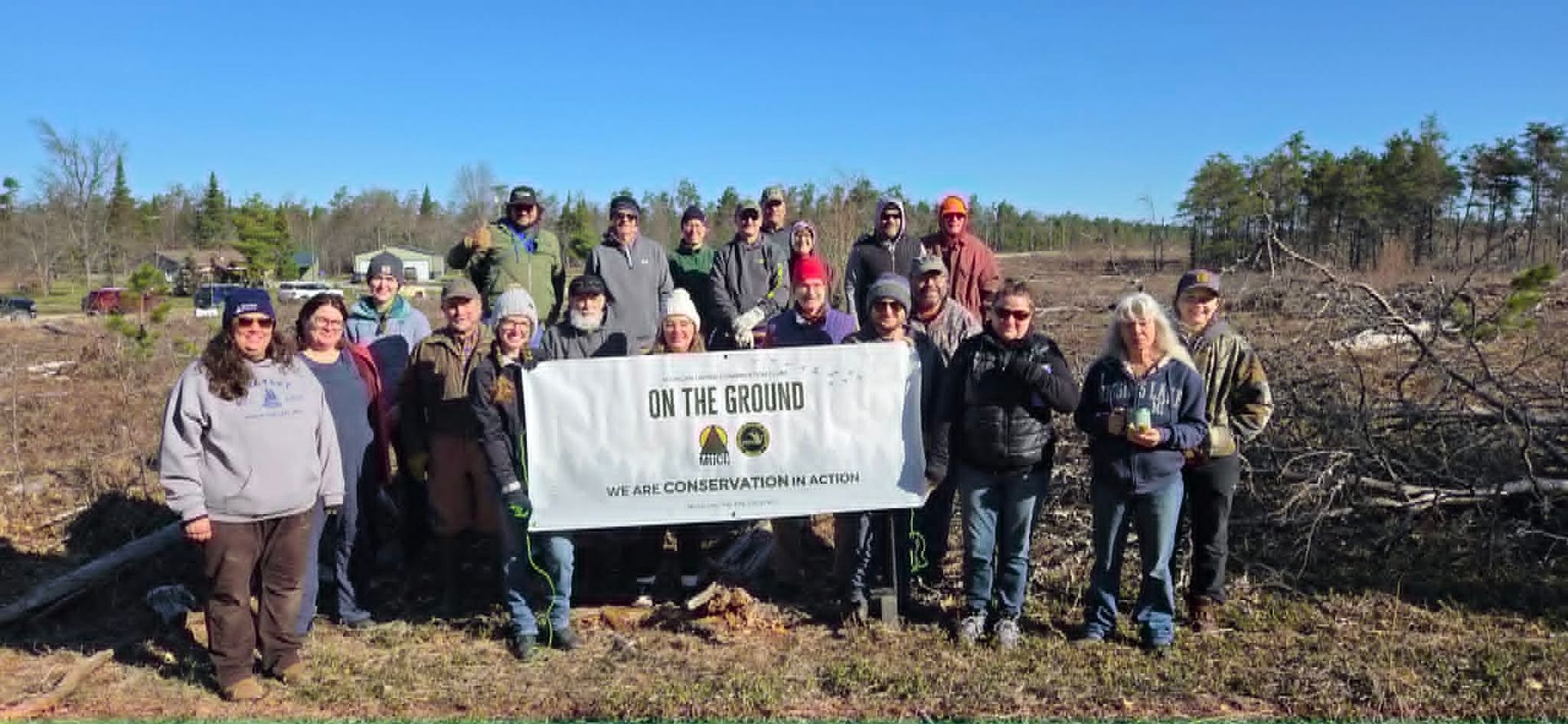
On Saturday, May 2, 2026, a group of dedicated volunteers joined Kirtland's Warbler Alliance, Huron Pines, Saginaw Children’s Zoo, and MUCC's OTG program in planting approximately 4,800 jack pine saplings within the Grayling Forest Management Unit in Crawford County. Jack pines are a critical nesting habitat feature for the once-threatened Kirtland’s warbler. In total, volunteers directly impacted about 7 acres of land were prepared by the Michigan DNR for this planting to allow volunteers to maximize their efforts across the land. This is one of our annual events that is perfect for helpers of all ages and interests.
May 4, 2026
FOR IMMEDIATE RELEASE: Michigan United Conservation Clubs (MUCC) announces its decision to dissolve after nearly 90 years of conservation advocacy, citing ongoing financial challenges and outlining next steps in an orderly wind-down process.
More Posts